Kitchen Mistakes
Food News

Why skipping the deglazing step means leaving the best flavor in the pan

Yummy Editorial
Photo: Why skipping the deglazing step means leaving the best flavor in the pan

Introduction

You've just seared four beautiful chicken thighs. The skin crackles golden-brown, the meat releases cleanly from the stainless steel, and you transfer everything to a plate. Then you look at the pan—dark, sticky patches coating the bottom, bits of caramelized protein clinging to the surface. Most people run hot water over it immediately, scrubbing away what looks like burnt mess.

They've just washed away the best part of their dinner.

The flavor you're throwing away

Those brown bits have a name: fond. It's French for "base" or "foundation," and that's exactly what it is—the foundation of flavor that separates restaurant cooking from home cooking. When proteins and sugars hit hot metal, they undergo the Maillard reaction, creating hundreds of new flavor compounds. These concentrated particles contain more depth than anything else in your dish. They're savory, slightly sweet, complex in ways that raw ingredients simply can't match.

Professional cooks never waste fond. Home cooks rarely use it. The difference shows up on the plate every single time.

What deglazing actually does

Deglazing sounds fancy, but it's absurdly simple. You add liquid to a hot pan, and those stuck-on bits dissolve into whatever you're making. Wine works beautifully—the alcohol cuts through fat while the acidity lifts the fond. Stock adds body. Even plain water works when you're short on ingredients.

The liquid hits the pan and immediately starts bubbling. You scrape with a wooden spoon, and watch those dark patches release and swirl into the sauce. Within thirty seconds, your pan looks cleaner and your sauce tastes like you've been cooking for hours. The fond doesn't just add flavor—it adds the *kind* of flavor you can't get any other way. Savory depth. Caramelized sweetness. A certain richness that makes people ask what your secret ingredient is.

Your secret ingredient was stuck to the pan.

Where most people go wrong

The mistake happens in the transition. You finish cooking protein, remove it from the pan, and your brain shifts to "time to clean up" mode. Or you worry those brown bits mean something burned. Or the pan looks too messy to salvage.

None of that is true. If your fond is dark brown—almost mahogany—you're in perfect shape. If it's black and smells acrid, yes, that's burnt. But most home cooks bail long before reaching that point. They see residue and assume failure, when they're actually looking at success.

The other common mistake: adding liquid to a cold pan. Deglazing works because of heat. Those flavor compounds need energy to dissolve. If your pan has cooled down, you'll just make muddy water. Keep the heat on medium after removing your protein, add your liquid within a minute, and let physics do the work.
How to deglaze anything

Essential kitchen gear for your recipes

Hand-picked tools we recommend for home cooks.

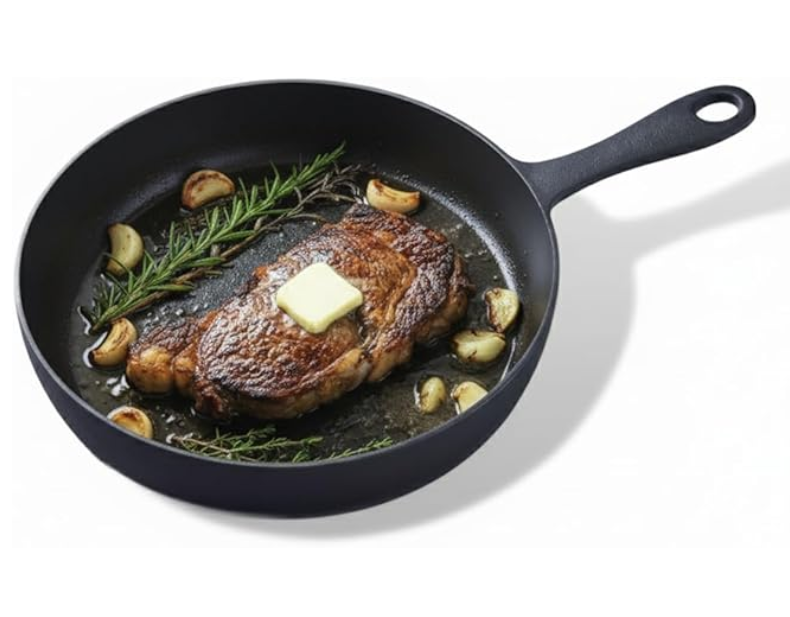
Flambo Skillet, Naturally Non-Stick

Flambo Skillet, Naturally Non-Stick

Pre-seasoned cast iron skillet for searing, baking, and stovetop-to-oven cooking.

Check price on Amazon
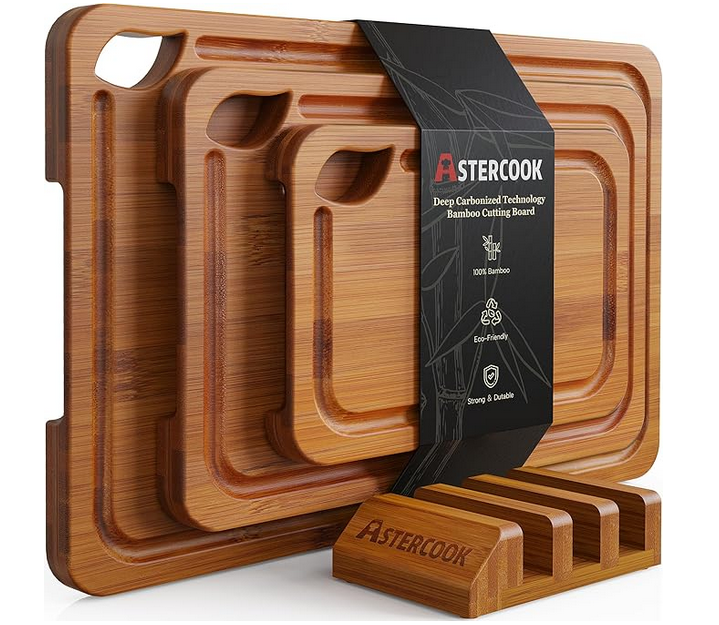
Astercook Reversible Charcuterie Board

Astercook Reversible Charcuterie Board

Deep carbonized wooden cutting board, reversible and knife-friendly for prep and serving.

Check price on Amazon
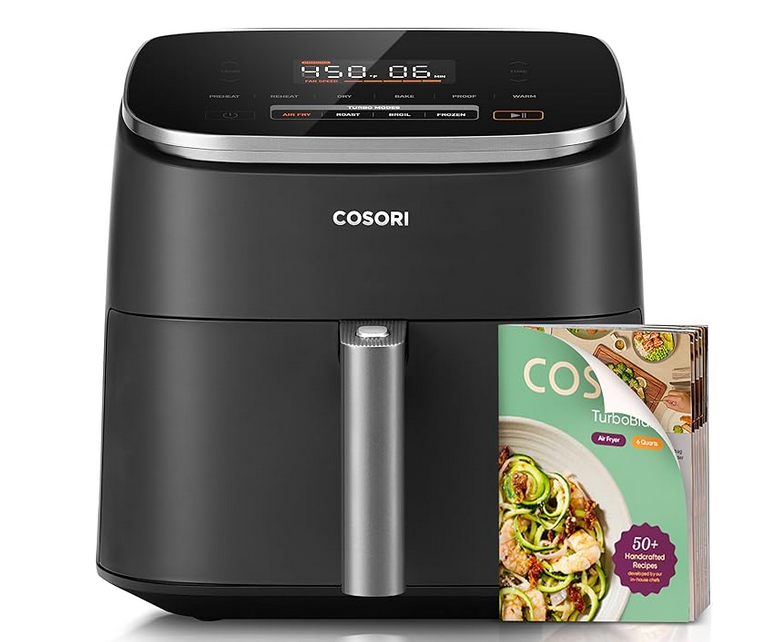
TurboBlaze Premium Ceramic Coating Air Fryer

TurboBlaze Premium Ceramic Coating Air Fryer

Air fryer with ceramic coating, 90°F–450°F range for crispy results with less oil.

Check price on Amazon

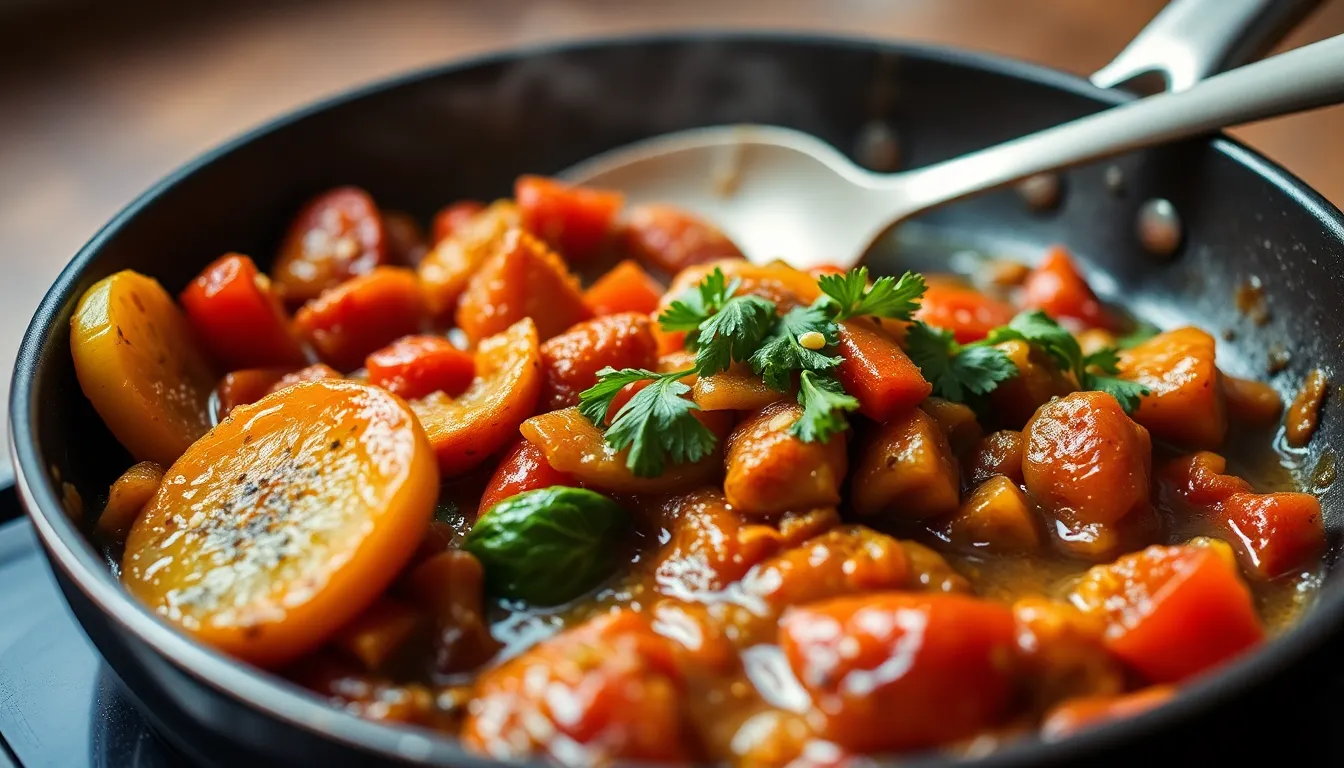
After cooking chicken, pork chops, steak, or duck: remove the meat, pour off excess fat if needed, return the pan to medium heat. Add half a cup of wine, stock, or even the liquid from canned tomatoes. Let it bubble hard for a few seconds while you scrape every corner with a wooden spoon or spatula. When the liquid reduces by half and looks glossy, you've just made pan sauce.

For vegetables, the same principle applies. Sauté mushrooms until they release their water and start browning. Remove them. That sticky residue left behind? Deglaze it with a splash of sherry or vegetable stock. Pour it over the mushrooms. You've just intensified everything.

Even ground meat benefits from this. After browning beef for pasta sauce, before adding tomatoes, splash in some red wine. Scrape up all those caramelized bits clinging to the bottom. They'll melt into your sauce and create a depth that simmering for an extra hour couldn't match.

What to deglaze with

Wine is classic for good reason—white wine with chicken or fish, red with beef or lamb. But you don't need alcohol. Stock works. So does the brine from canned olives or capers (the salt and acid are perfect). Vermouth, sake, beer, even apple cider. The liquid just needs enough acidity or alcohol to dissolve fat and lift fond.

Water works too, especially if you're building a dish with other flavor layers. Deglaze with water, add garlic and herbs, reduce it down. You've still captured all that caramelized flavor.

When deglazing matters most

Anytime you're cooking in stainless steel or cast iron and see those brown patches forming. Nonstick pans don't develop fond the same way—the surface is too slick for proteins to stick and caramelize. That's why restaurant kitchens use stainless for most proteins. They want the fond. They want the chance to deglaze.

If your sauce tastes flat despite decent ingredients, you probably skipped this step. If your gravy lacks depth. If your pasta sauce seems one-dimensional. The missing element was waiting in the pan.

Stop scrubbing away flavor

Next time you cook protein and see that messy pan, don't reach for the sponge. Reach for wine or stock instead. Add liquid, scrape, reduce. Thirty seconds of work will teach you more about building flavor than any complicated recipe.

The best part of your meal shouldn't end up in the sink.