Kitchen Mistakes
Food News

Why salting pasta water too late affects the flavor of the entire dish

Yummy Editorial
Photo: Why salting pasta water too late affects the flavor of the entire dish

Introduction

You're standing at the stove, watching bubbles rise in the pot. The pasta box sits on the counter, the colander waits in the sink. Water reaches a rolling boil, and you dump in the rigatoni. Then—almost as an afterthought—you reach for the salt shaker and give it a few quick taps over the churning water.

This small delay, those few forgotten seconds, just compromised your entire dish. Not dramatically, not obviously, but in that subtle way that leaves you wondering why restaurant pasta always tastes better than yours.

The science behind the timing

Salt doesn't just season pasta. It fundamentally changes how the pasta absorbs water and develops flavor throughout cooking. When you add salt before the water boils—or at the very least, before the pasta goes in—you're giving those granules time to fully dissolve into the water. The salt becomes part of the cooking medium itself, not just something floating on the surface.

As pasta cooks, it absorbs roughly a quarter of its weight in water. That water carries dissolved salt deep into the pasta's structure, seasoning it from the inside out. The starches swell, the gluten network relaxes, and salt molecules travel inward with every bit of moisture the pasta takes in. This process starts immediately when dry pasta hits hot water and continues throughout cooking.

When you salt the water after adding pasta, you're already behind. The outer layer of the pasta has begun hydrating with unseasoned water. Those first crucial minutes of cooking happen without salt, and you can't make up that lost time. The pasta's surface might pick up some seasoning, but the interior remains bland.

What properly salted water should look and taste like

Professional kitchens use a guideline that sounds dramatic but works: pasta water should taste like the sea. Not quite as intense as ocean water, but definitely salty enough that you'd notice if you took a sip. We're talking about 1 to 2 tablespoons of kosher salt per pound of pasta, dissolved in 4 to 6 quarts of water.

That might seem excessive. It isn't. Most of that salt stays in the cooking water. The pasta absorbs only what it needs, which ends up being far less than you'd think. Under-salted pasta water produces pasta that tastes flat and dull, no matter how perfectly you time the cooking or how spectacular your sauce might be.

The salt also raises the boiling point of water slightly and affects how the pasta's starches behave. Properly salted water creates pasta with better texture—firmer, more defined edges, a pleasant chew rather than a soft mush.
The domino effect on your sauce

Essential kitchen gear for your recipes

Hand-picked tools we recommend for home cooks.

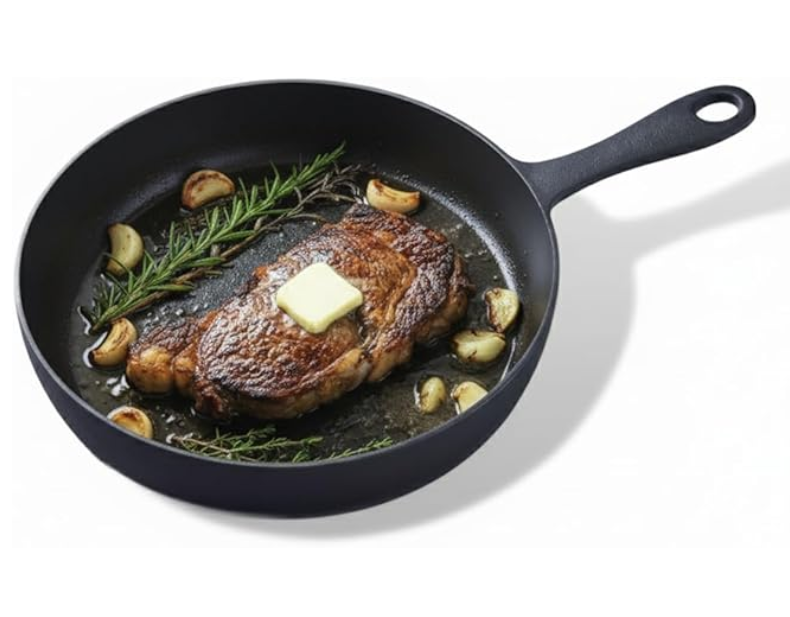
Flambo Skillet, Naturally Non-Stick

Flambo Skillet, Naturally Non-Stick

Pre-seasoned cast iron skillet for searing, baking, and stovetop-to-oven cooking.

Check price on Amazon
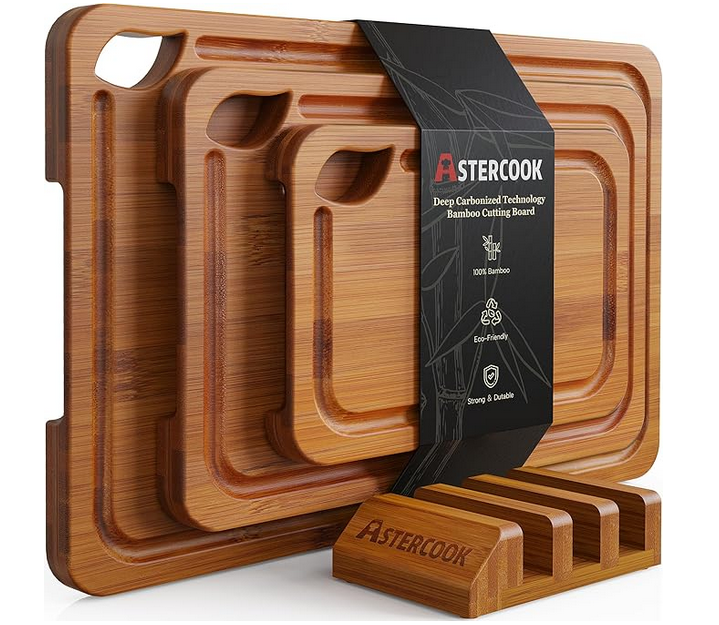
Astercook Reversible Charcuterie Board

Astercook Reversible Charcuterie Board

Deep carbonized wooden cutting board, reversible and knife-friendly for prep and serving.

Check price on Amazon
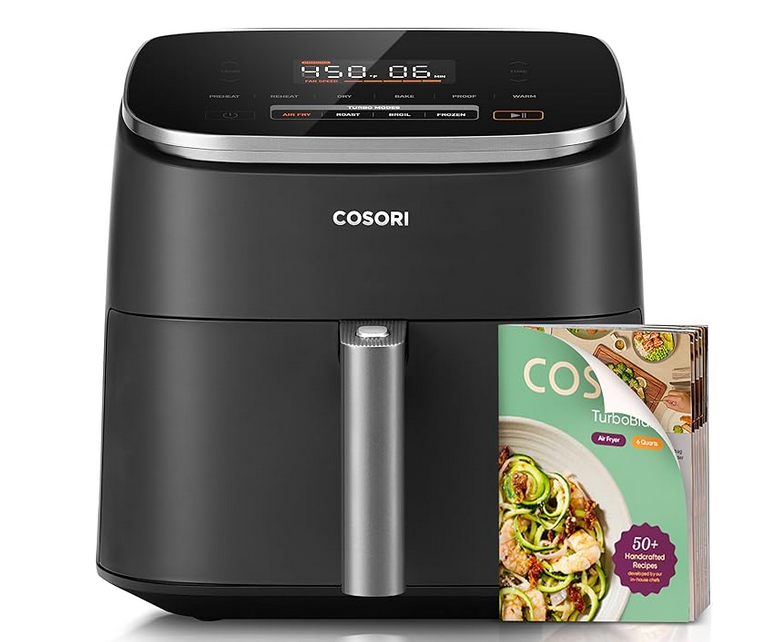
TurboBlaze Premium Ceramic Coating Air Fryer

TurboBlaze Premium Ceramic Coating Air Fryer

Air fryer with ceramic coating, 90°F–450°F range for crispy results with less oil.

Check price on Amazon

Here's where timing matters even more than you might expect. That starchy, salty pasta water you're cooking in becomes a crucial ingredient for finishing your sauce. Italian cooks call it "liquid gold" for good reason. When you save a cup of pasta water before draining, you're capturing dissolved starches and salt that help emulsify and bind sauces to the pasta itself.

But if you salted too late—or didn't salt enough—that pasta water can't do its job properly. Under-salted cooking water produces under-salted pasta water for finishing. You'll find yourself over-compensating with salt in the sauce, trying to fix what should have been handled at the beginning. The seasoning never quite integrates the same way.

Breaking the bad habit

The fix is simple but requires retraining your muscle memory. Fill the pot with cold water. Set it on the stove over high heat. Add your salt immediately—yes, right now, before the water even starts warming up. Some cooks worry this damages pots (it doesn't, particularly with stainless steel or enamel) or affects boiling time (the difference is negligible).

Let the water come to a rolling boil with the salt already dissolved. Taste it. It should be noticeably salty, almost startling. When the pasta goes in, the water will stop boiling for a moment. That's normal. Keep the heat high until it returns to a boil, then adjust to maintain steady bubbling.

Common excuses and why they don't hold up

"I forget until the last second." Keep the salt container next to the stove, not in a cabinet. Make it part of the water-filling ritual.

"I'm watching my sodium." You're not eating the cooking water. The pasta absorbs minimal salt compared to what stays behind in the pot.

"It takes forever to boil." Salting water raises the boiling point by less than one degree. You won't notice the difference.

The one-inch rule

Think of salting pasta water like building a house. You don't wait until the walls are up to pour the foundation. The salt is your foundation—everything else builds on top of it. Miss that step, and no amount of fancy finishing or expensive ingredients will create the depth of flavor that properly seasoned pasta delivers naturally.

That's why the best pasta you've ever had—whether from a tiny Roman trattoria or your friend's nonna—always starts the same way: salt in the water before anything else happens.