Kitchen Mistakes
Food News

Why reheating rice the wrong way can actually make you sick

Yummy Editorial
Photo: Why reheating rice the wrong way can actually make you sick

Introduction

It's Tuesday night, and you're staring at that container of leftover rice from Sunday's stir-fry. You pop it in the microwave, grab a fork, and dig in. Simple enough, right? Except thousands of people end up with serious food poisoning every year from doing exactly this—and the culprit isn't what most people think.

Rice seems harmless. It's a staple food in half the world's kitchens. But there's a particular type of bacteria that loves rice more than almost any other food, and the way most of us handle leftovers creates the perfect environment for it to thrive.

The rice bacteria you've probably never heard of

Bacillus cereus lives in dry foods like rice, pasta, and spices. Here's the thing: cooking doesn't kill it. The bacteria form heat-resistant spores that survive boiling water and steaming. When that hot rice sits out on your counter—maybe you're letting it cool before putting it away, or it sat in the rice cooker for a few hours—those dormant spores wake up.

Room temperature is their sweet spot. Between 40°F and 140°F, they multiply rapidly, producing toxins that cause vomiting and diarrhea. The sneaky part? Reheating the rice kills the bacteria, but it doesn't destroy the toxins they've already created. Your piping hot bowl of fried rice might be steaming, but those toxins are heat-stable and ready to wreck your next 24 hours.

Where most people go wrong

The biggest mistake happens right after cooking. You make a big batch of rice for meal prep or a dinner party. The rice cooker's keep-warm function stays on for hours, or you leave the pot on the stove while everyone finishes eating and chatting. Two hours pass. Three. By the time you remember to refrigerate it, the damage is done.

Another common error: reheating rice multiple times. You take out a container, heat up half, put the rest back. The next day, you do it again. Each cycle of warming and cooling gives bacteria more opportunities to grow. That container of rice that's been in your fridge for five days? It's crossed into the danger zone, even if it still smells fine.

The microwave mistake is subtler. You reheat rice without adding moisture, and it comes out with cold spots in the middle. Those cool pockets never reach the temperature needed to kill bacteria—and you're eating a mixed bag of properly heated rice and potentially contaminated clumps.

The right way to handle leftover rice

Essential kitchen gear for your recipes

Hand-picked tools we recommend for home cooks.

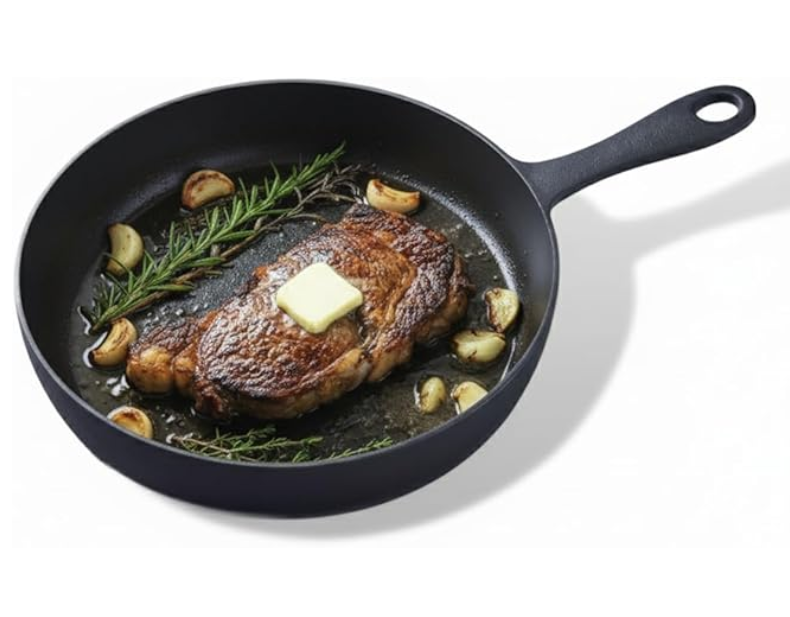
Flambo Skillet, Naturally Non-Stick

Flambo Skillet, Naturally Non-Stick

Pre-seasoned cast iron skillet for searing, baking, and stovetop-to-oven cooking.

Check price on Amazon
Astercook Reversible Charcuterie Board

Astercook Reversible Charcuterie Board

Deep carbonized wooden cutting board, reversible and knife-friendly for prep and serving.

Check price on Amazon
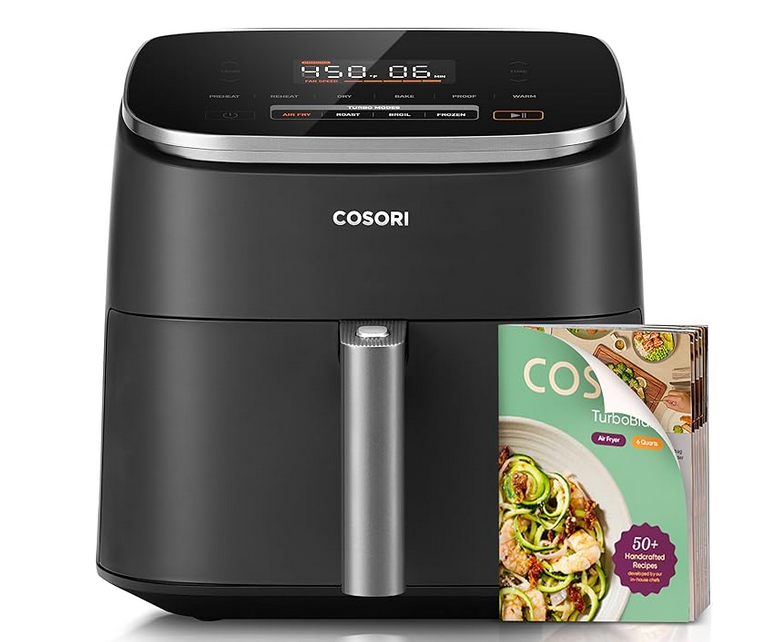
TurboBlaze Premium Ceramic Coating Air Fryer

TurboBlaze Premium Ceramic Coating Air Fryer

Air fryer with ceramic coating, 90°F–450°F range for crispy results with less oil.

Check price on Amazon

Speed matters more than anything else. When your rice finishes cooking, you've got about an hour to get it into the fridge. Not room temperature first—straight from hot to cold. Spread it in a shallow container so it cools faster. Those wide, flat storage containers that take up annoying amounts of fridge space? They're actually perfect for this.

Refrigerated rice stays safe for three to four days maximum. Beyond that, freeze it. Rice freezes beautifully in portion-sized bags, and it reheats from frozen in minutes.

When you're ready to eat it, add a tablespoon of water to the container before reheating. Cover it. The steam distributes heat evenly and gets every grain up to 165°F—the temperature that kills active bacteria. Use a food thermometer if you're unsure. Stir halfway through to break up clumps and eliminate cold spots.

Reheat only what you'll eat. Once rice has been reheated, that's it. Don't put it back in the fridge for round two.

What food poisoning from rice actually feels like

Bacillus cereus comes in two types. The first hits fast—within one to five hours, you're dealing with severe nausea and vomiting. It's often mistaken for a stomach bug. The second type takes eight to sixteen hours and causes watery diarrhea and cramps. Both types usually resolve within 24 hours, but they're miserable.

Young children, older adults, and anyone with a compromised immune system face more serious complications. For them, food safety with rice isn't just about avoiding an unpleasant day—it's genuinely risky.

The takeaway for your kitchen

Rice isn't the enemy. The timing is. Treat cooked rice like you'd treat raw chicken in terms of food safety awareness—not paranoia, just respect. One hour from pot to fridge. Three days in the refrigerator. Reheat once to steaming hot. These simple rules eliminate almost all the risk.

That container in your fridge right now? Check the date. If you're not sure when you made it, or if it's been sitting there since last week's takeout binge, just toss it. A few dollars of rice isn't worth a day spent regretting your life choices.