Kitchen Mistakes
Food News

Why refrigerating tomatoes changes their taste and texture permanently

Yummy Editorial
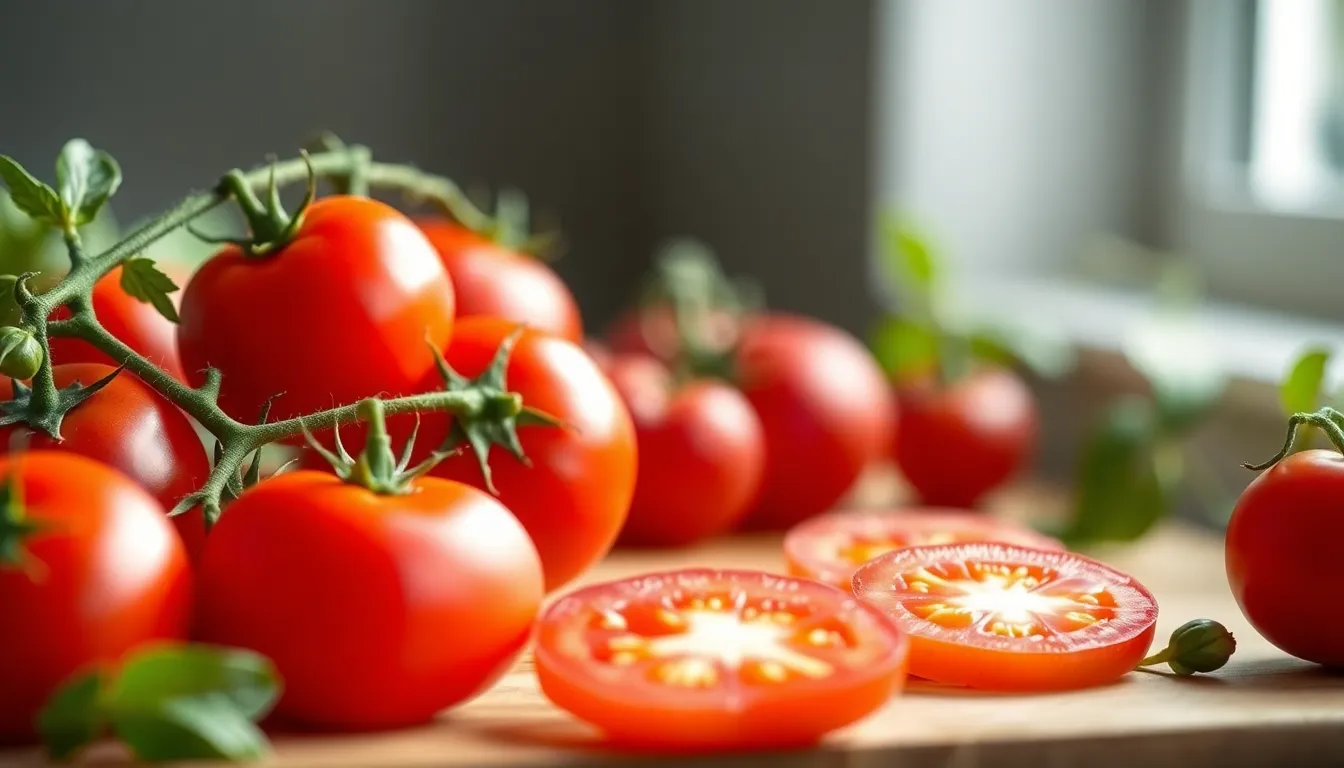
Photo: Why refrigerating tomatoes changes their taste and texture permanently

Introduction

You slice into a tomato that's been sitting in your fridge for three days. The knife goes through easily—maybe too easily. The flesh looks pale, almost translucent at the edges. You take a bite expecting that bright, summery burst, but instead get something mealy and flat. It tastes like wet cardboard with a vague suggestion of tomato somewhere in the background. That gorgeous heirloom you bought at the farmers' market? The cold killed it.

What cold does to tomato cells

Tomatoes are tropical plants that evolved in warm climates, and their fruit never learned to handle the cold. When temperatures drop below 54°F, something called chilling injury begins. The cell membranes inside the tomato—tiny walls that hold everything together—start breaking down. These membranes control water movement, maintain structure, and protect the compounds that create flavor.

Once damaged, they don't repair themselves. Even if you bring the tomato back to room temperature and let it sit on your counter for days, those broken cells stay broken. The texture turns grainy and mealy because water leaks into spaces it shouldn't occupy. The firm, juicy bite of a properly stored tomato becomes mushy and dense.

The flavor compounds that disappear

The real tragedy happens with aroma. A ripe tomato contains hundreds of volatile compounds—molecules so light they float into your nose and create that unmistakable tomato smell. Compounds like Z-3-hexenal give you grassy freshness. Geranial adds lemony brightness. Beta-ionone brings floral sweetness.

Cold temperatures suppress these volatiles dramatically. Scientists at the University of Florida measured this effect and found that chilled tomatoes lose up to 65% of their aromatic compounds. The genes responsible for producing these flavor molecules essentially shut down in the cold. When you smell nothing, you taste nothing—our sense of smell drives most of what we perceive as flavor.

Even more frustrating: the damage accumulates. A tomato refrigerated for one day might recover some aromatics. A tomato kept cold for a week? The volatile production machinery stays permanently impaired.

The supermarket problem

This explains why grocery store tomatoes often taste like nothing. They're picked unripe, shipped in refrigerated trucks, and stored in cold warehouses before hitting store shelves. By the time you buy them, they've spent weeks below the critical temperature threshold. That pale pink color and hard texture aren't just signs of underripeness—they're symptoms of cold damage.

Those tomatoes might turn red on your counter, but they'll never develop proper flavor. The enzymes needed for ripening and aroma production were knocked offline by the cold chain. You're watching color change without any of the chemical complexity that makes a tomato taste like summer.
How to store tomatoes properly

Essential kitchen gear for your recipes

Hand-picked tools we recommend for home cooks.

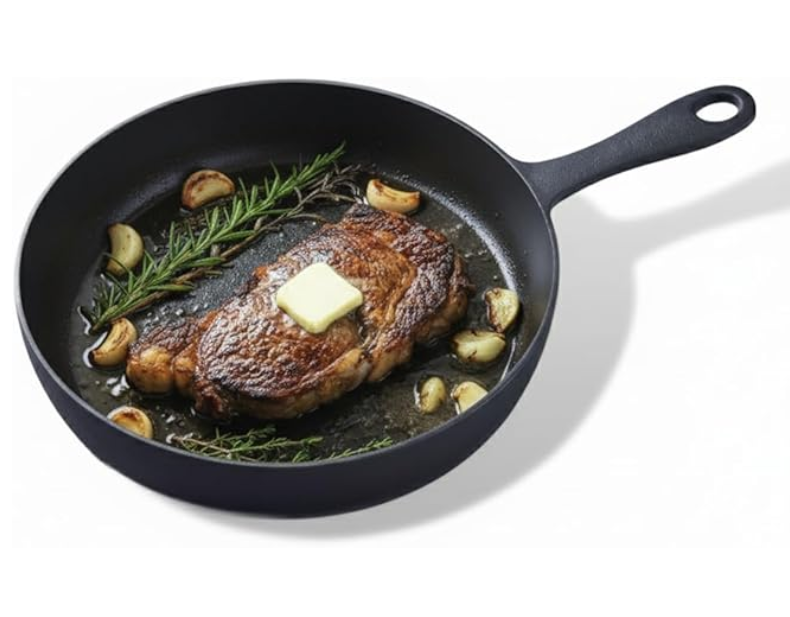
Flambo Skillet, Naturally Non-Stick

Flambo Skillet, Naturally Non-Stick

Pre-seasoned cast iron skillet for searing, baking, and stovetop-to-oven cooking.

Check price on Amazon
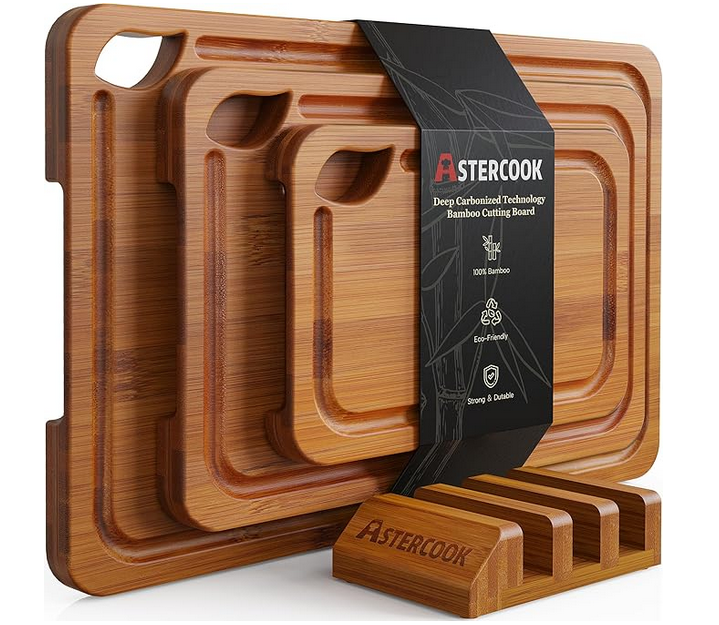
Astercook Reversible Charcuterie Board

Astercook Reversible Charcuterie Board

Deep carbonized wooden cutting board, reversible and knife-friendly for prep and serving.

Check price on Amazon
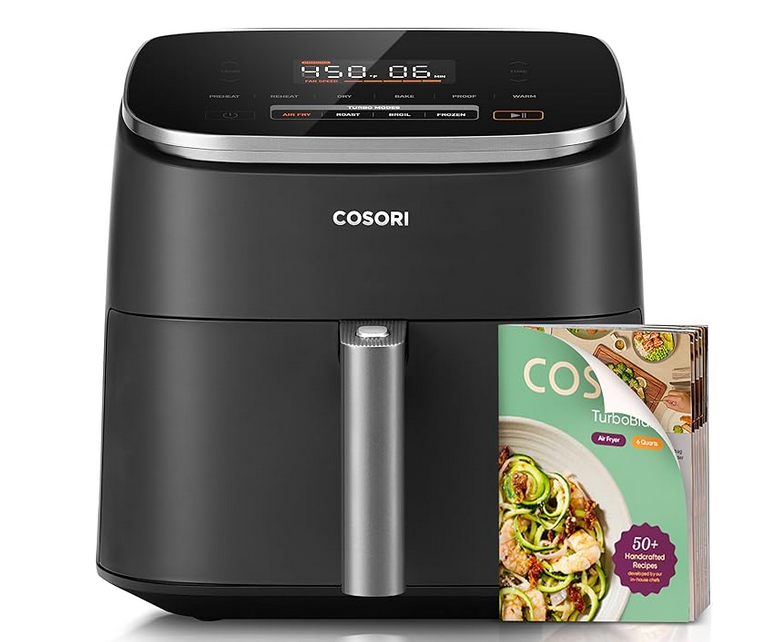
TurboBlaze Premium Ceramic Coating Air Fryer

TurboBlaze Premium Ceramic Coating Air Fryer

Air fryer with ceramic coating, 90°F–450°F range for crispy results with less oil.

Check price on Amazon

Keep them on the counter, stem side down, away from direct sunlight. The stem-side-down position prevents moisture loss through the scar where the tomato was attached to the vine. A basket or shallow bowl works perfectly—somewhere with air circulation.

Room temperature between 65°F and 75°F is ideal. If your tomatoes are still firm and light in color, they'll continue ripening. Once they reach that deep color and give slightly when pressed, eat them within two or three days. The window of perfect ripeness is brief but glorious.

For cherry tomatoes or grape tomatoes that are fully ripe and you can't use immediately, refrigeration becomes the lesser evil. Their smaller size means less dramatic texture changes, and keeping them cold for a day or two beats watching them turn to mush and mold. Just know you're sacrificing some flavor for longevity.

The one exception

Already-cooked tomatoes handle cold just fine. That pot of marinara sauce, the container of roasted tomatoes, the leftover caprese salad—refrigerate them without worry. The heat from cooking has already broken down cell structures and driven off many volatile compounds. Cold storage won't cause additional damage to something that's already been transformed.

Working with what you have

If you've already refrigerated fresh tomatoes, use them in cooked applications where texture and raw flavor matter less. Chop them for sauce, roast them with olive oil and garlic, blend them into soup. The heat will add new flavors that mask the flatness cold storage created.

For salads and fresh eating, always start with tomatoes that never saw the inside of a refrigerator. Buy from farmers' markets in summer, or look for "grown for flavor" labels that indicate varieties bred for taste rather than shipping durability.

The takeaway

That shelf in your fridge door marked for vegetables? It's not for tomatoes. The produce drawer? Also not for tomatoes. Give them space on your counter where you can watch them ripen, smell them getting sweeter, and eat them at the exact moment they're perfect. That's what tomatoes deserve.