Introduction
It's 9 PM on a Tuesday, and you've just finished making a huge batch of chicken soup. The pot is still steaming, your kitchen smells like garlic and thyme, and you're exhausted. Your instinct? Lid on, straight into the fridge. Get it cold, get it safe, get to bed. Except that well-intentioned move might be setting up a perfect environment for the exact thing you're trying to avoid: bacteria.
The temperature trap most home cooks don't know about
We've all heard the food safety mantra: keep hot food hot, cold food cold. But the space between those two states is where things get tricky. When you slide a pot of hot chili or a casserole dish still radiating heat into your refrigerator, you're creating a surprisingly complex problem that goes beyond just warming up your milk.
The issue isn't the hot food itself—it's what happens during the cooling process. Your refrigerator works hard to maintain a steady temperature around 37-40°F. When you introduce something steaming hot, especially in a large, deep container, the appliance has to work overtime. More importantly, the food itself becomes a problem.
What actually happens inside that container
Picture a big pot of beef stew. The outside edges start cooling relatively quickly once it hits the cold air of your fridge. But the center? That dense, thick middle stays warm for hours. And here's the critical part: it stays in what food safety experts call the "danger zone"—that 40-140°F range where bacteria don't just survive, they throw a party.
A large container of hot food can take six, seven, even eight hours to cool completely in the fridge. During those hours, the interior might hover around 70-80°F. Perfect conditions for bacterial growth. The stew that tasted perfect at dinner could be developing bacterial populations by midnight, even while sitting in your refrigerator.
The refrigerator domino effect
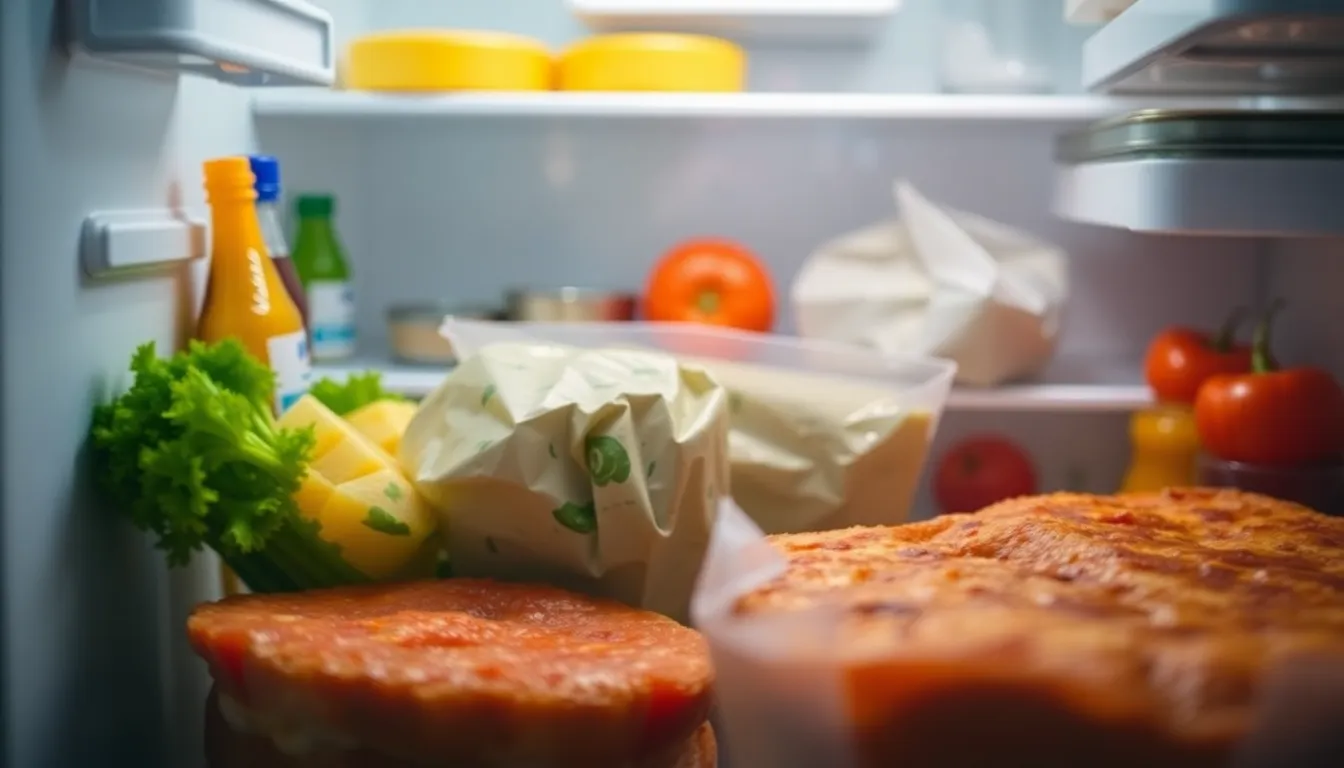
There's a second problem you're creating. That blast of heat doesn't just affect your soup—it warms everything around it. The temperature inside your fridge can spike by several degrees, especially if you've packed the shelves tight. Your yogurt, your deli meat, the leftover pizza from yesterday—they all sit in warmer conditions until your refrigerator catches up.
Modern refrigerators are efficient, but they're not designed to handle the thermal load of a stockpot full of boiling liquid. The compressor runs constantly, working to bring everything back down. Meanwhile, the items closest to your hot container are sitting in their own mini danger zone.