Kitchen Mistakes
Food News

Why Cooking with Extra Virgin Olive Oil at Very High Heat Changes Its Flavor

Yummy Editorial
Photo: Why Cooking with Extra Virgin Olive Oil at Very High Heat Changes Its Flavor

The Moment Everything Changed

You're searing chicken thighs in your favorite skillet, the one that gets screaming hot. You reach for that gorgeous bottle of extra virgin olive oil—the one you splurged on at the farmers market—and glug a generous amount into the pan. Within seconds, the kitchen fills with an acrid smell. The oil smokes. The chicken develops a bitter crust instead of that golden, savory exterior you were expecting. Something went terribly wrong, and you're left wondering why your expensive olive oil just ruined dinner.

This scenario plays out in kitchens everywhere, and it's not about the quality of your oil. It's about heat, chemistry, and understanding what happens when delicate flavor compounds meet temperatures they were never meant to withstand.

What High Heat Actually Does to Olive Oil

Extra virgin olive oil isn't just fat—it's a complex ingredient packed with volatile compounds that give it those prized characteristics: the peppery bite, the grassy notes, the hint of almonds or fresh herbs. These flavors come from polyphenols and aromatic molecules that developed naturally in the olives. They're fragile.

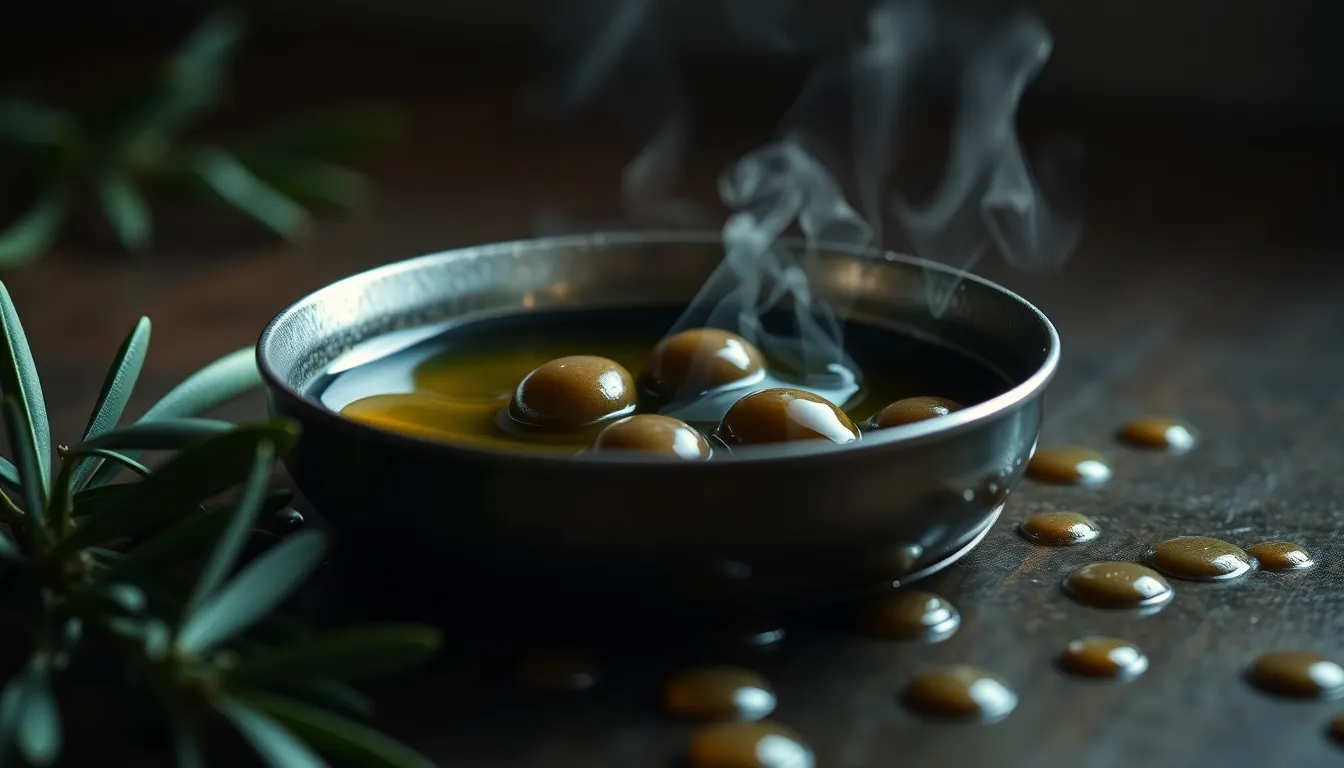
When you heat EVOO past 375°F, these compounds start breaking down rapidly. The fruity notes disappear first, followed by that pleasant pepperiness. What replaces them isn't just neutral—it's actively unpleasant. The oil develops bitter, sometimes metallic flavors. The smell shifts from fresh and bright to harsh and burnt. You're essentially cooking with a completely different ingredient than what you poured from the bottle.

The confusion happens because smoke point and flavor degradation aren't the same thing. Yes, extra virgin olive oil can technically withstand temperatures up to about 410°F before smoking. But long before you see that wispy smoke curling up from your pan, the oil's flavor has already transformed into something you probably don't want to eat.

The Restaurant Secret You Need to Know

Walk into most restaurant kitchens, and you'll notice something interesting: they don't use extra virgin olive oil for high-heat cooking. Not because they're cheap, but because they understand the chemistry. That beautiful EVOO gets drizzled over finished dishes, whisked into vinaigrettes, or used for gentle sautéing over medium heat where vegetables release their moisture and naturally regulate the temperature.

For searing steaks or charring vegetables at blazing temperatures, professional cooks reach for oils with neutral flavors and higher smoke points—grapeseed, avocado, or refined olive oil. These oils won't contribute much flavor, but they also won't sabotage the dish with bitterness when the pan hits 450°F.
When EVOO Actually Shines

Essential kitchen gear for your recipes

Hand-picked tools we recommend for home cooks.

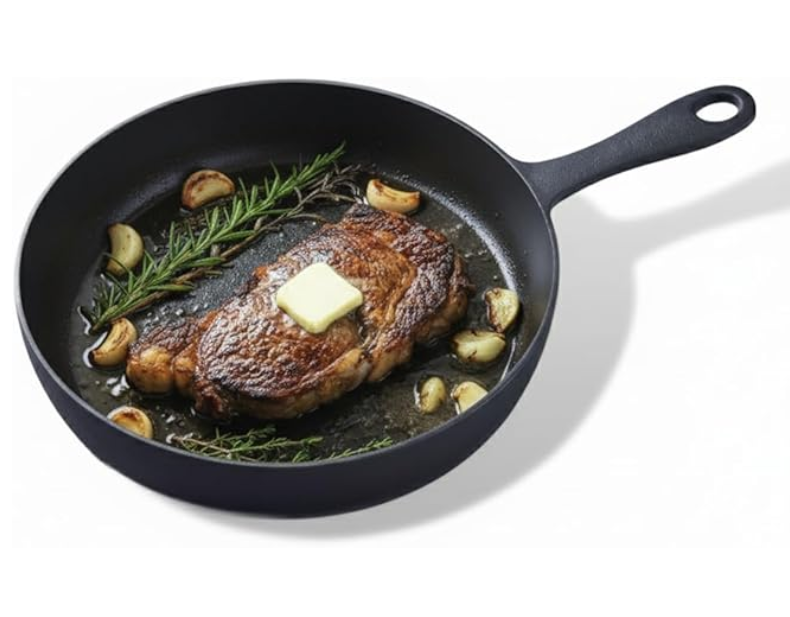
Flambo Skillet, Naturally Non-Stick

Flambo Skillet, Naturally Non-Stick

Pre-seasoned cast iron skillet for searing, baking, and stovetop-to-oven cooking.

Check price on Amazon
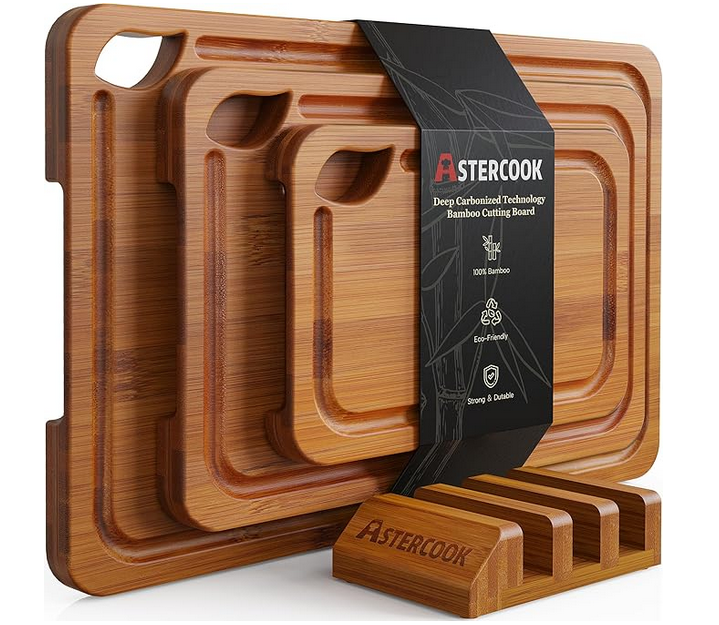
Astercook Reversible Charcuterie Board

Astercook Reversible Charcuterie Board

Deep carbonized wooden cutting board, reversible and knife-friendly for prep and serving.

Check price on Amazon
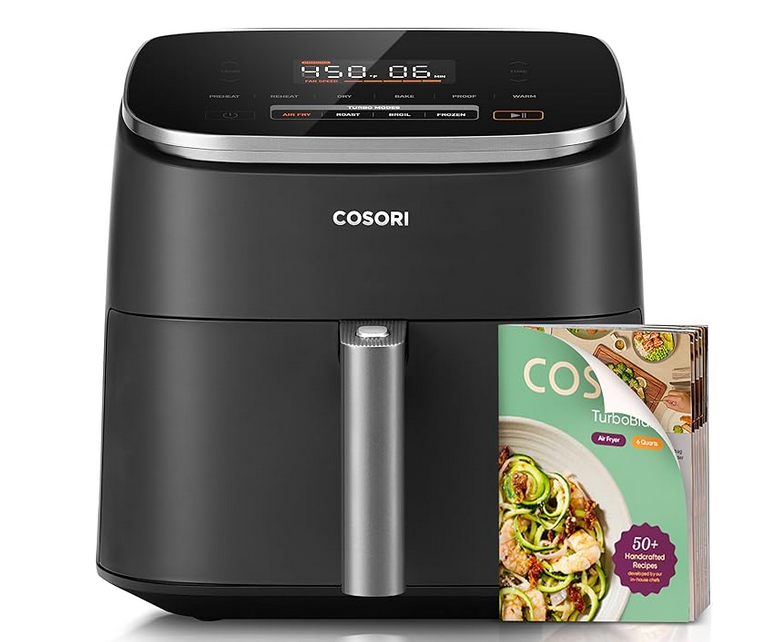
TurboBlaze Premium Ceramic Coating Air Fryer

TurboBlaze Premium Ceramic Coating Air Fryer

Air fryer with ceramic coating, 90°F–450°F range for crispy results with less oil.

Check price on Amazon

Medium heat is where extra virgin olive oil becomes magic. Sweating onions until they turn translucent and sweet. Gently cooking garlic until it's fragrant but not brown. Simmering tomato sauce where the temperature stays well below that critical threshold. In these applications, the oil's fruity notes actually enhance the dish, adding depth and complexity you can't get from neutral oils.

The oil also excels after cooking. That same chicken you were trying to sear? Cook it in a different oil, then finish the plate with a drizzle of room-temperature EVOO. The difference is remarkable. You get all that peppery, grassy flavor without any bitterness—just pure, bright olive notes that make everything taste more vibrant.

What to Do Right Now

Keep two bottles in your kitchen: one everyday olive oil for cooking at higher temperatures, and one quality extra virgin for finishing and lower-heat applications. The cooking oil doesn't need to be expensive—it's doing mechanical work, not flavor work. Save the good stuff for where you'll actually taste it.

If you're sautéing something over medium heat and want to use EVOO, watch for the shimmer. The oil should look fluid and glossy, moving easily across the pan. If it starts to smoke, the temperature's too high. Pull the pan off the heat, let it cool for thirty seconds, then proceed.

For roasting vegetables, toss them in regular olive oil if your oven's above 400°F. Add a drizzle of extra virgin after they come out of the oven, while they're still hot enough to absorb the flavors but not hot enough to destroy them.

The Simple Truth

That bottle of extra virgin olive oil isn't failing you—you're just asking it to do something it wasn't designed for. Treat it like the finishing ingredient it is, and suddenly everything makes sense. The bitterness disappears. The money you spent actually translates to better-tasting food. And your kitchen stops smelling like burnt disappointment every time you turn on the stove.