Kitchen Mistakes
Food News

The vegetable roasting mistake that causes steaming instead of caramelizing

Yummy Editorial
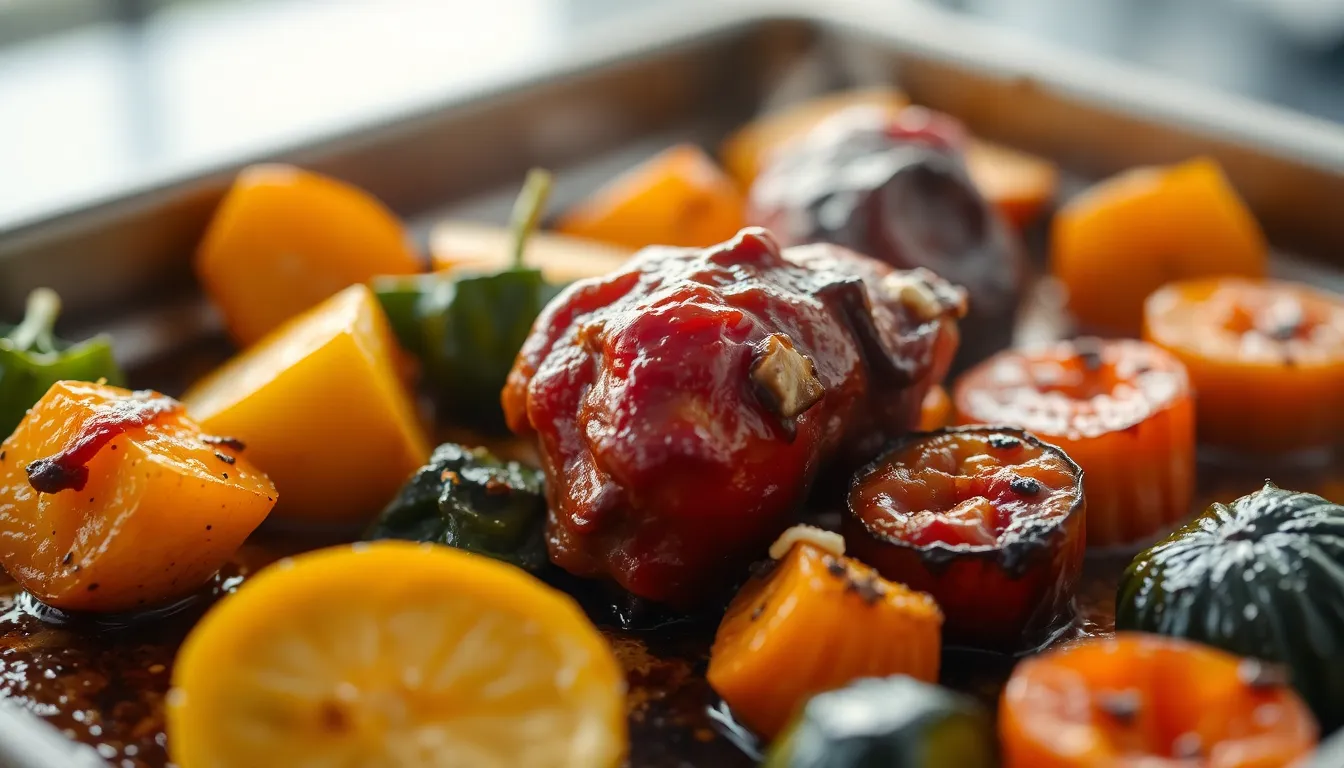
Photo: The vegetable roasting mistake that causes steaming instead of caramelizing

Introduction

It's Tuesday night, and you're pulling a sheet pan from the oven, expecting those Brussels sprouts to be crispy and bronzed. Instead, they're pale, limp, swimming in their own moisture. The carrots look steamed. The broccoli florets are soft and gray rather than charred at the tips. You followed the recipe—425°F, olive oil, salt—so what went wrong?

The culprit isn't your oven or your vegetables. It's the crowded sheet pan staring back at you, every square inch packed with overlapping florets and touching pieces.

Why spacing matters more than temperature

When vegetables sit too close together on a baking sheet, they create their own humid microclimate. As they heat up, moisture releases from their cells. In a crowded pan, that steam has nowhere to escape. It gets trapped between the vegetables and the pan surface, essentially steaming your food instead of roasting it.

True roasting requires dry heat and air circulation. When hot oven air can move freely around each piece, moisture evaporates quickly. The vegetable's surface dries out, sugars concentrate, and eventually those sugars caramelize into the crispy, sweet-bitter edges we're actually after. No amount of high heat can compensate for vegetables sitting shoulder-to-shoulder in a puddle of their own moisture.

The spacing rule most recipes don't mention

The general guideline: leave at least half an inch between each piece. For larger vegetables like cauliflower florets or potato wedges, aim for a full inch. When you arrange your vegetables, imagine they need personal space—they shouldn't be touching their neighbors.

This feels wasteful at first. You'll look at your carefully prepped vegetables and realize they won't all fit on one pan. That's exactly the point. Professional kitchens use multiple sheet pans for a reason. Home cooks trying to save time and dishes end up sacrificing the texture that makes roasted vegetables worth eating.

What proper spacing actually looks like

A properly loaded sheet pan should look a bit sparse. You should see the pan surface between vegetable pieces. If you're roasting two pounds of Brussels sprouts, you'll likely need two full-sized baking sheets. For a mix of root vegetables serving six people, plan on three pans rotating through your oven.

The vegetables should lie in a single layer—no stacking, no piling. Turn each piece cut-side down when possible, maximizing contact with the hot metal. That direct heat contact is where the best caramelization happens, creating that crispy, almost lacquered surface.
The cascade effect of overcrowding

Essential kitchen gear for your recipes

Hand-picked tools we recommend for home cooks.

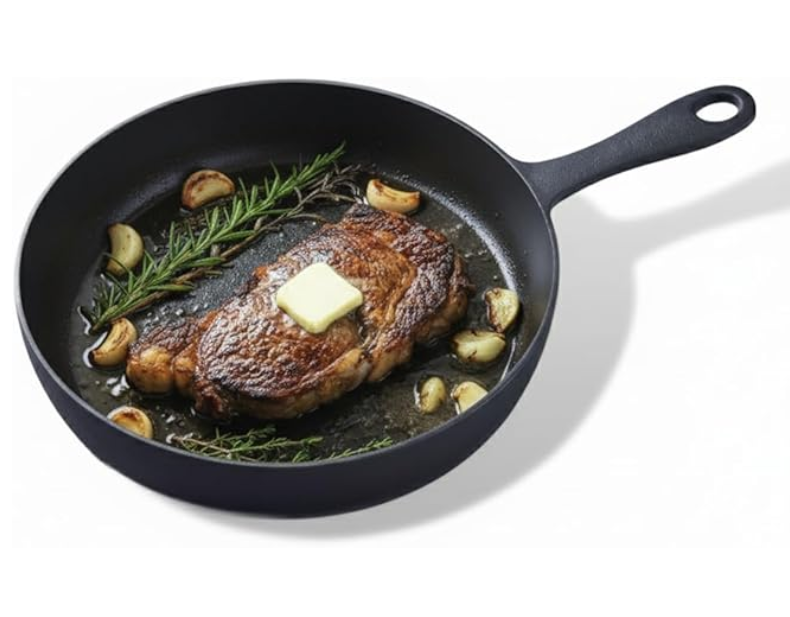
Flambo Skillet, Naturally Non-Stick

Flambo Skillet, Naturally Non-Stick

Pre-seasoned cast iron skillet for searing, baking, and stovetop-to-oven cooking.

Check price on Amazon
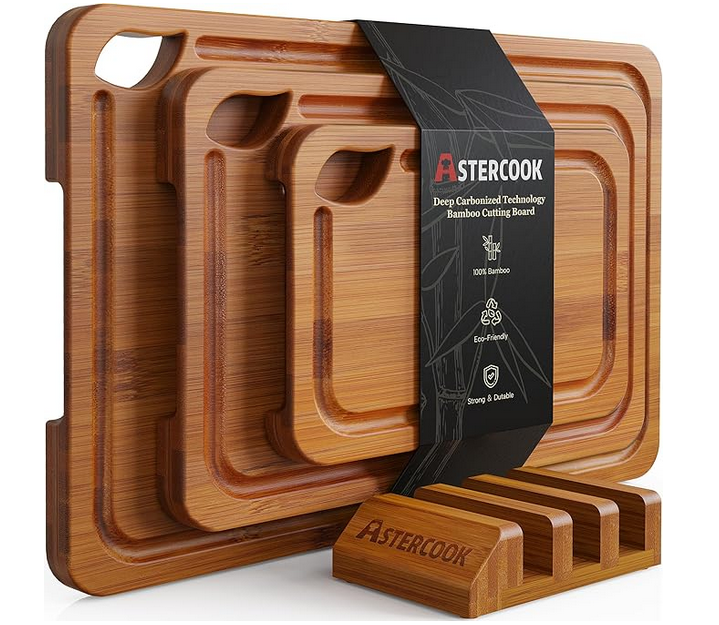
Astercook Reversible Charcuterie Board

Astercook Reversible Charcuterie Board

Deep carbonized wooden cutting board, reversible and knife-friendly for prep and serving.

Check price on Amazon
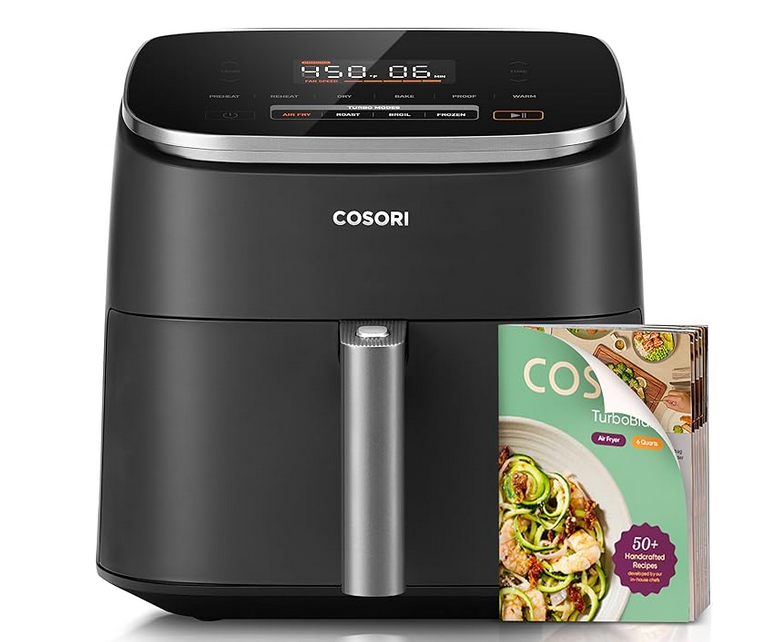
TurboBlaze Premium Ceramic Coating Air Fryer

TurboBlaze Premium Ceramic Coating Air Fryer

Air fryer with ceramic coating, 90°F–450°F range for crispy results with less oil.

Check price on Amazon

Beyond the steaming issue, crowded vegetables cook unevenly. The pieces in the center stay pale while the ones near the edges might burn. Stirring halfway through (as most recipes suggest) doesn't help much—you're just redistributing the trapped moisture and moving different pieces into the soggy center zone.

Overcrowded pans also take longer to cook. That trapped steam lowers the effective temperature around your vegetables. What should take 25 minutes at 425°F might take 40 minutes, and even then, you won't get proper browning. You'll get tired vegetables that eventually dry out without ever crisping up.

Working with limited oven space

If you only have one oven rack or need everything done simultaneously, roast your vegetables in batches. The first batch stays warm (loosely covered) while the second pan roasts. Alternatively, use your broiler for two minutes at the end—but only if your vegetables have space to begin with. Broiling overcrowded pans just burns the tops while leaving the rest soggy.

Consider roasting different vegetables on separate pans anyway. Dense root vegetables need more time than delicate squash or bell peppers. Giving each type its own pan lets you pull them at the right moment rather than compromising with everything half-cooked.

The immediate fix

Tonight, when you prep vegetables for roasting, set out two pans instead of one. Divide everything between them, leaving visible gaps. Use parchment paper if you want easier cleanup, but make sure it lies flat—bunched parchment also traps steam.

Watch what happens. The vegetables will brown in distinct spots where they touch the pan. The edges will curl and crisp. When you taste them, you'll notice the difference immediately—concentrated sweetness, actual texture, none of that water-logged disappointment.

Why this changes everything

This single adjustment—giving vegetables room to breathe—transforms roasting from a soggy compromise into a technique worth using several times a week. You'll stop drowning vegetables in extra oil trying to compensate for poor browning. You'll stop cranking the oven higher and burning the outside while the inside stays raw. You'll just get reliably crispy, caramelized vegetables that taste like something you'd order at a restaurant.

The extra pan is worth washing. The extra time managing two trays is worth it. Once you see—and taste—the difference proper spacing makes, you won't go back to cramming everything together and hoping for the best.