Introduction
The chicken breast hits the pan with a satisfying sizzle. You turn the dial all the way up, confident that maximum heat equals minimum cooking time. Five minutes later, you're staring at a piece of meat that's charred black on the outside and stubbornly pink in the center. We've all been there—hungry, impatient, convinced that cranking the burner to high will somehow bend the laws of physics in our favor. It doesn't work that way.
The logic that doesn't add up
The assumption makes sense on paper. Higher temperature means faster cooking, right? But cooking isn't just about getting food hot—it's about heat penetrating evenly through layers of protein, breaking down connective tissue, caramelizing sugars at just the right pace. When you blast something with high heat, you're essentially creating a race between the outside and the inside, and the outside always wins. The surface burns while the center sits there, oblivious, still raw.
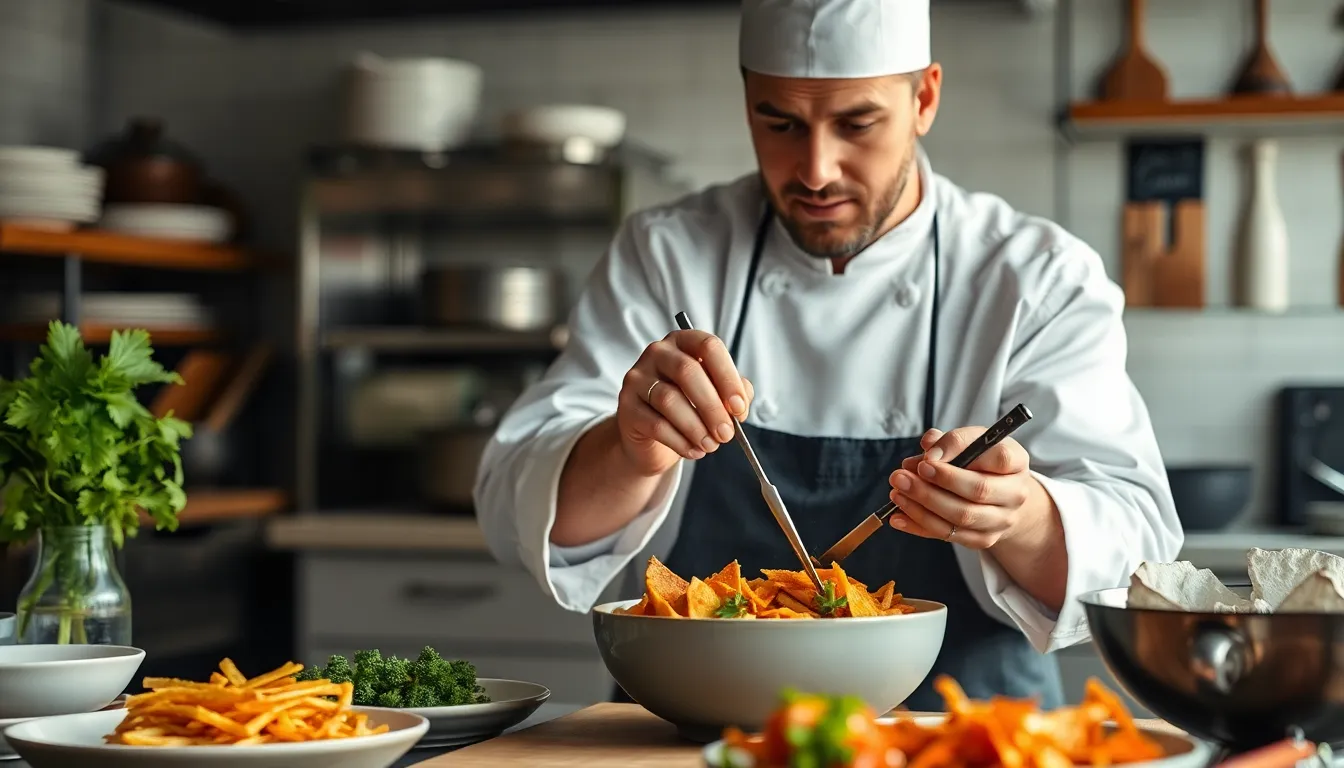
Professional kitchens understand this instinctively. Watch a seasoned chef working a pan, and you'll notice they're constantly adjusting heat levels, pulling pans on and off burners, using the temperature as a tool rather than a weapon. They're not trying to speed things up—they're trying to control what happens.
What actually happens at high heat
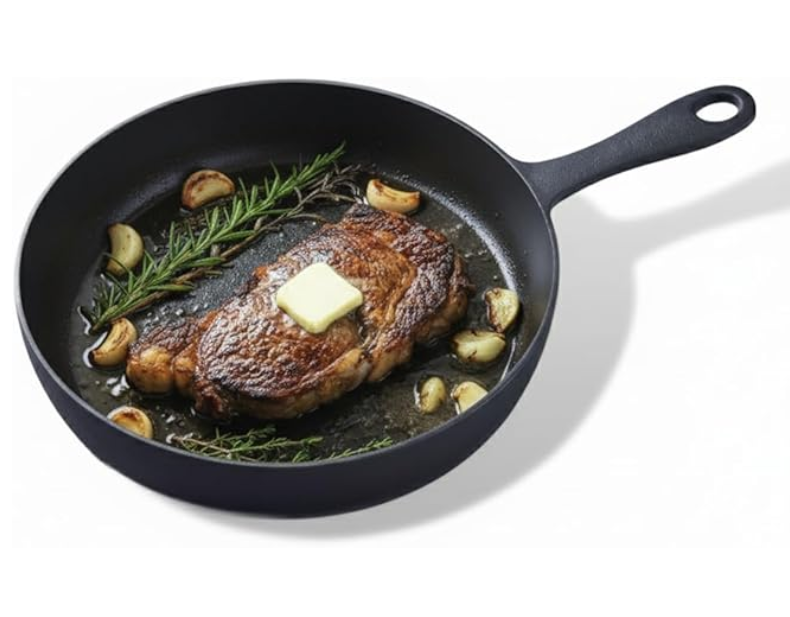
When fat hits a screaming-hot pan, it doesn't just heat up—it breaks down. Butter burns. Olive oil smokes and turns bitter. The fond (those flavorful browned bits on the pan bottom) crosses the line from caramelized to carbonized in seconds. Garlic goes from fragrant to acrid before you can even grab your wooden spoon.
Proteins behave even worse under extreme heat. The exterior seizes up immediately, forming a tight, tough crust while moisture gets trapped inside. Ever cut into a steak that looked beautifully seared but released a flood of juice onto your cutting board? That's high heat forcing liquid out too quickly, leaving you with meat that's simultaneously dry and messy.
Vegetables turn into casualties too. That zucchini you wanted lightly browned? Now it's got black stripes and a mushy interior because the outside cooked five times faster than the inside. Onions burn at the edges while remaining crunchy at the core. Tomatoes split and collapse.
The medium-heat advantage
Dropping to medium or medium-high heat changes everything. The pan stays hot enough to create browning—that's the Maillard reaction, where proteins and sugars transform into complex, savory flavors. But it happens gradually, giving the interior of your food time to catch up with the exterior.
A chicken thigh cooked over medium heat develops a golden, crispy skin while the meat inside turns tender and juicy, cooking all the way through to the bone. The fat has time to render properly instead of just scorching. Onions soften and sweeten, their natural sugars caramelizing without burning. A pan sauce reduces to the right consistency without spattering everywhere or developing a burnt taste.
The aromatics in your cooking—garlic, ginger, spices—actually release their flavors instead of just turning black. You can smell the difference: that warm, blooming fragrance instead of the sharp, nose-wrinkling smell of something burning.