Introduction
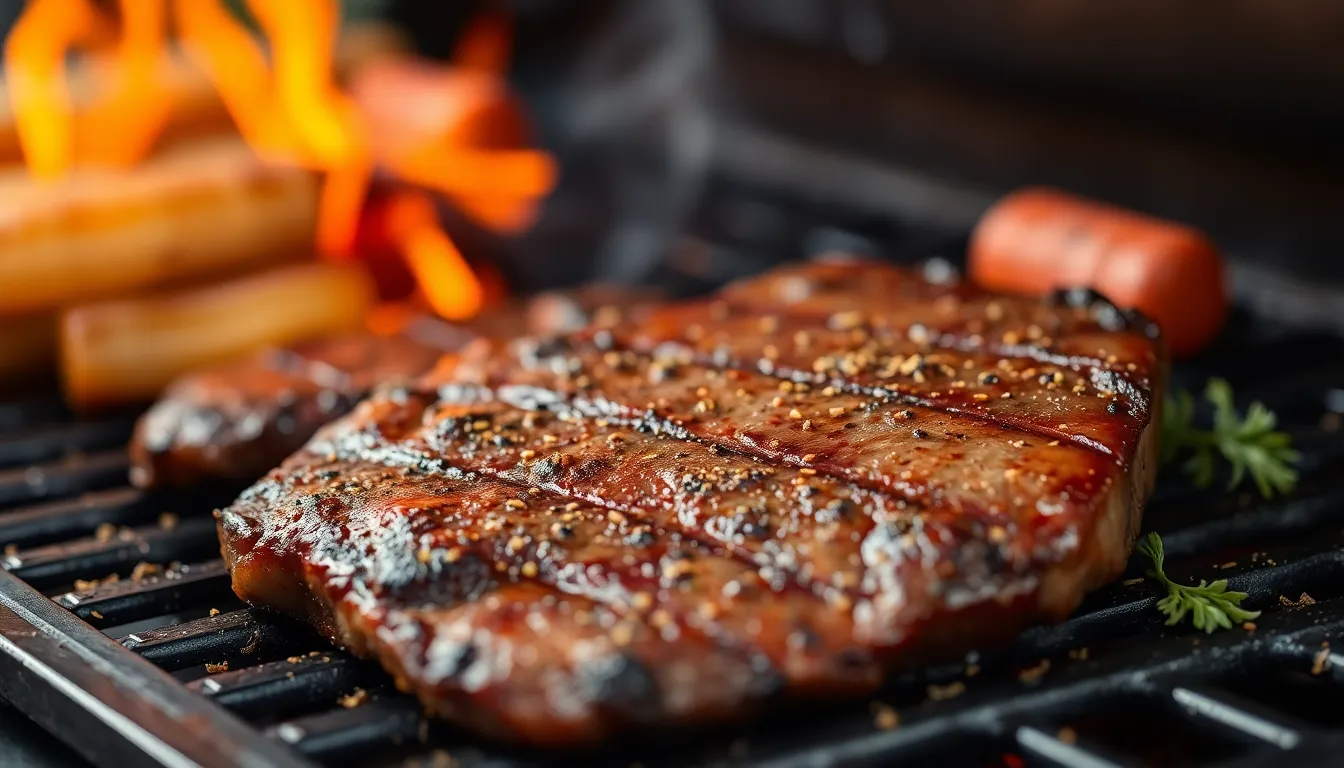
Your ribeye is out on the counter. The grill's heating up nicely, smoke wisping from the grates. You reach for your kosher salt—the good stuff—and season both sides of that beautiful marbled beef. Maybe fifteen minutes pass while you prep the salad, check the coals, grab another beer. When you finally set that steak on the grill, it sizzles for sure, but something's off. The crust isn't quite right. The surface looks almost wet, steaming more than searing. You've just stumbled into the most common timing mistake that trips up even seasoned grillers.
The moisture problem nobody talks about
Salt does something magical to meat—it draws out moisture through osmosis. But timing determines whether that moisture becomes your enemy or your secret weapon. When you salt a steak and immediately cook it, the surface stays relatively dry. Salt clings to the meat, and high heat creates that coveted mahogany crust. But salt it and wait just ten, fifteen, twenty minutes? The surface becomes a slick, wet mess. That's moisture pulled from inside the steak, pooling on top with nowhere to go. When wet meat hits heat, it steams before it sears. You end up with a grayish exterior instead of that deep caramelized bark.
The science here isn't complicated—just counterintuitive. Most of us assume that giving salt "time to work" means better flavor. And we're not completely wrong. The issue is how much time. There's a danger zone, roughly three to forty minutes, where salt has drawn moisture out but hasn't had enough time for that moisture to be reabsorbed back into the meat along with the dissolved salt. Your steak sits there, literally weeping onto your cutting board.
The two approaches that actually work
Professional steakhouses and competition pitmasters use one of two methods. The first: season aggressively right before the steak hits heat. We're talking seconds, not minutes. The salt adheres to the surface, the meat's still dry, and you get immediate caramelization. This works beautifully for weeknight cooking when you don't have time for advanced prep.
The second method requires patience. Salt your steak at least forty minutes ahead—better yet, an hour or more. For thick cuts, even overnight in the fridge works wonders. During this longer window, something remarkable happens. The moisture that gets drawn out begins dissolving the salt, creating a concentrated brine on the surface. Then that salty liquid gets reabsorbed into the muscle fibers through reverse osmosis. The surface dries out again, but now the seasoning has penetrated deep into the meat. You end up with a dry exterior that browns perfectly and flavor that goes beyond the surface.
The difference is striking. A steak salted an hour ahead and patted dry before grilling develops a crust that crackles. The interior tastes seasoned throughout, not just on the outer millimeter. Meanwhile, that fifteen-minute sweet spot—where most home cooks instinctively land—gives you the worst of both worlds.