Kitchen Mistakes
Food News

The slow cooker mistake that makes meat tough instead of tender

Yummy Editorial
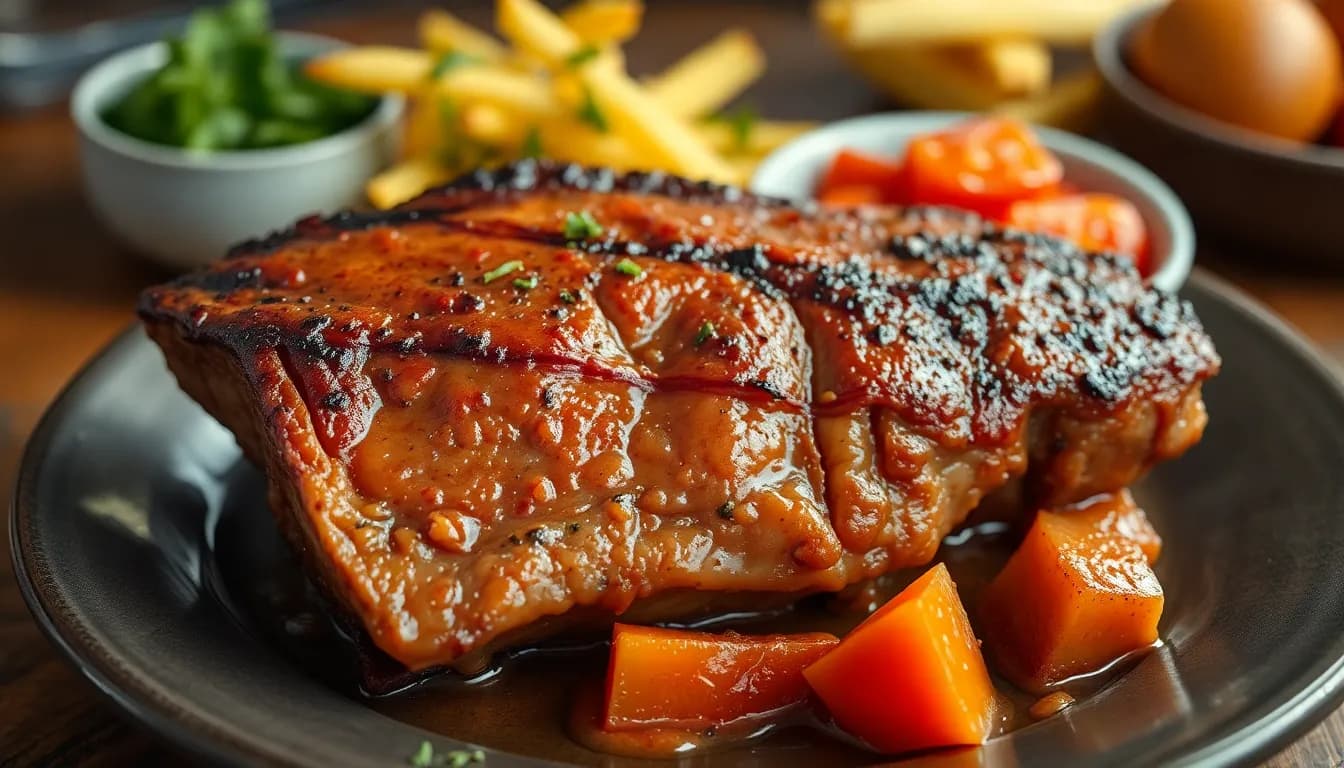
Photo: The slow cooker mistake that makes meat tough instead of tender

Introduction

You lift the slow cooker lid after eight hours, expecting that chuck roast to fall apart at the slightest touch. Instead, you're met with meat so tough you need a steak knife to get through it. The potatoes are mushy, the carrots have dissolved into the broth, but somehow—impossibly—the main event is chewy and dry. If this sounds familiar, you're probably making the single most common slow cooker mistake: using the High setting when you should be going Low.

Why slow cookers fail (and it's not the appliance's fault)

The whole point of slow cooking is right there in the name. These countertop workhorses are designed to transform tough, collagen-rich cuts into fork-tender meals through sustained low heat over many hours. When you crank it to High because you're short on time or think it'll speed things up proportionally, you're working against basic food science.

High heat causes the proteins in meat to contract quickly and forcefully, squeezing out moisture before the connective tissue has time to break down properly. What you end up with is simultaneously dry and chewy—the worst of both worlds. Low heat, on the other hand, gives collagen the time it needs to slowly dissolve into gelatin, which is what creates that silky, falling-apart texture you're after.

The temperature difference matters more than you think

Most slow cookers reach about 190-200°F on Low and 250-300°F on High. That might not sound dramatic, but it's the difference between a gentle simmer and an aggressive boil. Collagen starts breaking down around 160°F, but it needs sustained time at that temperature—typically 6 to 8 hours for tougher cuts like brisket, chuck roast, or pork shoulder.

When you cook on High, you might hit the right internal temperature in 3 or 4 hours, but you're rushing past the crucial window where connective tissue transforms. The meat fibers tighten, moisture escapes as steam, and you're left with something that tastes more like jerky than pot roast.

The cuts that suffer most

Ironically, the tougher the cut, the more it needs that low-and-slow approach. Chuck roast, short ribs, lamb shanks, and pork shoulder are loaded with collagen that needs hours to break down. These are exactly the cuts you bought *because* they're perfect for the slow cooker—but only when you use it correctly.

Lean cuts like chicken breast or pork tenderloin are different problems entirely. They don't have enough fat or connective tissue to survive long cooking times at any temperature. They'll dry out on Low just as surely as they will on High, which is why most recipes suggest adding them later in the process or avoiding the slow cooker altogether for these proteins.
How to fix it

Essential kitchen gear for your recipes

Hand-picked tools we recommend for home cooks.

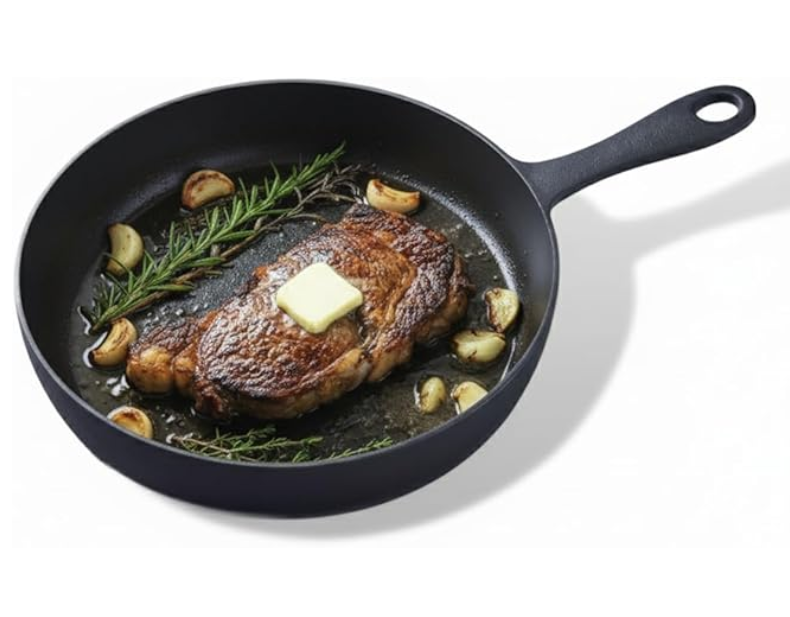
Flambo Skillet, Naturally Non-Stick

Flambo Skillet, Naturally Non-Stick

Pre-seasoned cast iron skillet for searing, baking, and stovetop-to-oven cooking.

Check price on Amazon
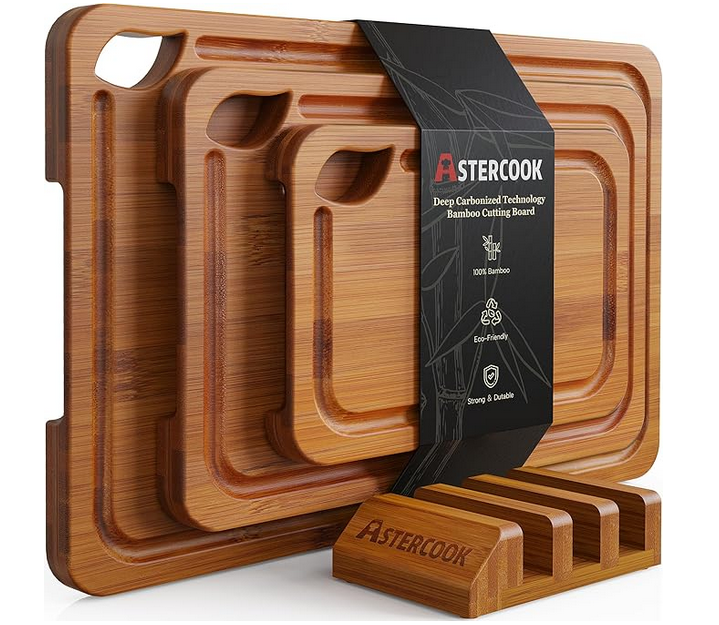
Astercook Reversible Charcuterie Board

Astercook Reversible Charcuterie Board

Deep carbonized wooden cutting board, reversible and knife-friendly for prep and serving.

Check price on Amazon
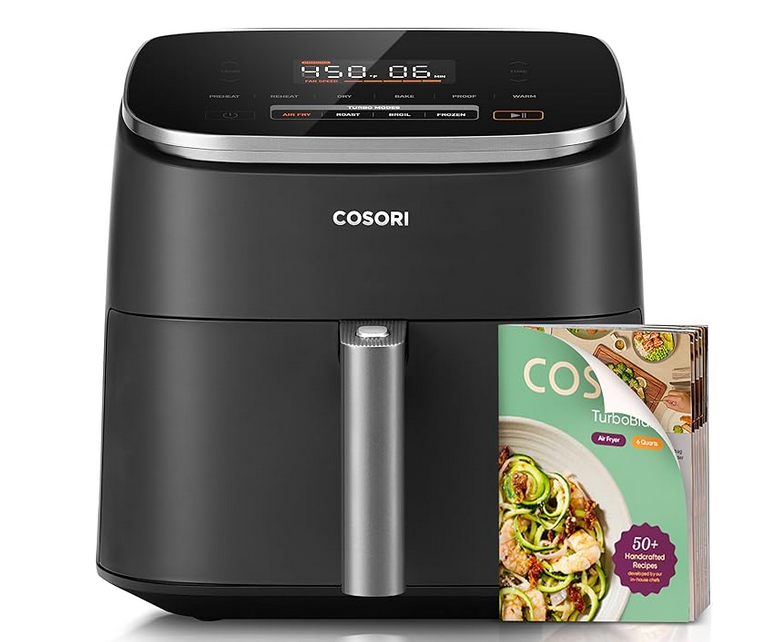
TurboBlaze Premium Ceramic Coating Air Fryer

TurboBlaze Premium Ceramic Coating Air Fryer

Air fryer with ceramic coating, 90°F–450°F range for crispy results with less oil.

Check price on Amazon

Start by committing to the Low setting for proper cooking times. If a recipe says 6-8 hours on Low, don't substitute 3-4 hours on High and expect the same results. They're not equivalent.

Make sure you're using enough liquid—at least a cup for most recipes—but not so much that your meat is swimming. The liquid creates steam and helps maintain that even, gentle heat. Wine, broth, or even water with aromatics all work. The key is having enough moisture in the pot without turning it into soup.

Brown your meat first if you have time. This isn't about "sealing in juices" (that's a myth), but it does create deeper flavor through the Maillard reaction. Those caramelized bits stuck to the pan? Deglaze them and pour that liquid into the slow cooker. That's where real flavor lives.

Don't lift the lid. Every time you peek, you release heat and steam, which means your cooker has to work to get back up to temperature. This extends cooking time and can throw off that delicate low-heat balance.

When High actually works

The High setting isn't useless—it's just misunderstood. Use it for soups, stews with smaller pieces of meat, or dishes where you're cooking vegetables and beans that benefit from more vigorous heat. It's also fine for reheating or keeping food warm. But for whole roasts or large tough cuts, Low is your only real option.

The simple truth

Slow cookers are nearly foolproof, but they do require patience. That's the trade-off for being able to walk away for eight hours while dinner cooks itself. The meat you thought was "bad" or the recipe you assumed was flawed? Probably fine. You just need to stop rushing the one appliance designed specifically not to be rushed.

Next time, set it to Low in the morning, go about your day, and come home to meat that actually shreds with a fork. That's the slow cooker working exactly as intended.