Kitchen Mistakes
Food News

The scrambled egg mistake that makes them dry and rubbery instead of creamy

Yummy Editorial
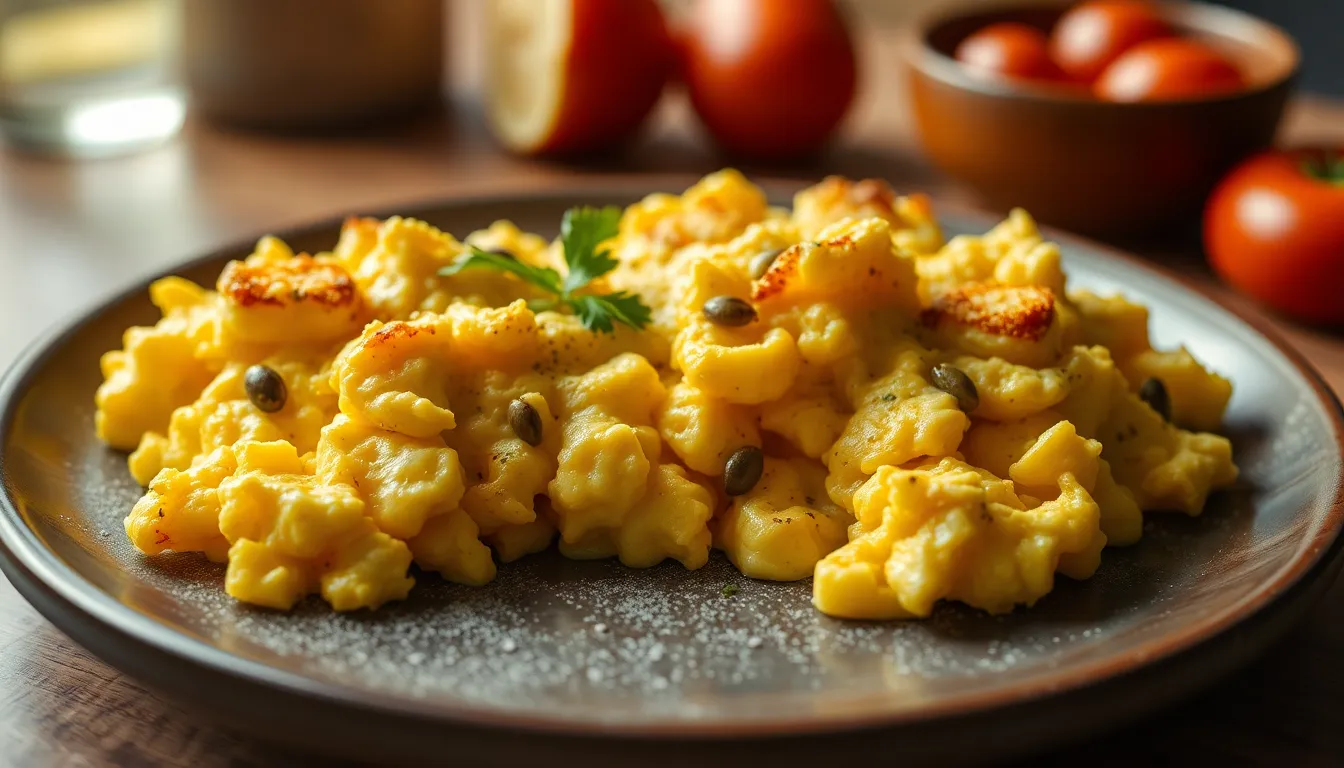
Photo: The scrambled egg mistake that makes them dry and rubbery instead of creamy

Introduction

It's Saturday morning, and you're standing at the stove with a spatula, watching your scrambled eggs firm up in the pan. They look almost done—maybe just another 30 seconds to be safe. You plate them, sit down with your toast, and take that first bite. Dry. Rubbery. The kind of eggs that squeak against your teeth instead of melting on your tongue. You've made the same mistake thousands of home cooks make every single day, and it happens in those final seconds before the eggs leave the pan.

The timing trap we all fall into

Scrambled eggs don't stop cooking when you turn off the heat. The pan stays hot, the eggs stay hot, and that residual heat keeps transforming delicate curds into tough, overcooked chunks. Most of us wait until the eggs look completely set—no shine, no jiggle, perfectly firm—before we slide them onto a plate. By then, it's too late. Those extra 30 seconds in the pan have pushed them past creamy into the territory of cafeteria eggs.

The single biggest mistake isn't about heat level, butter amount, or whisking technique. It's about when you stop. Professional cooks pull scrambled eggs off the heat when they still look slightly underdone—wet, glossy, with soft curds that seem almost too loose. It feels wrong at first, like serving raw eggs. But that's exactly the moment when they're perfect.

What actually happens in the pan

When eggs hit heat, their proteins begin to coagulate. Low and slow gives you small, tender curds. High and fast creates large, rubbery ones. But even with perfect heat, the proteins keep tightening as long as the eggs stay warm. That's why scrambled eggs can look beautiful in the pan and disappointing on the plate three minutes later.

The visual cue most people use—fully set, no liquid visible—means the eggs are already overcooked. They'll continue firming up from their own heat, turning drier with each passing moment. Restaurant-quality scrambled eggs should still have a slight sheen when you remove them from the stove. They should look almost pourable in spots, with soft folds rather than distinct chunks.

The right moment to stop

Pull your eggs off the heat when they're about 80% done. They should still have wet patches that catch the light, with curds that barely hold together. If you gently shake the pan, they should move as one soft mass, not as separate pieces. This feels counterintuitive, especially if you've spent years cooking eggs until they look "done."

The transformation happens on the plate. Within 30 seconds of leaving the pan, those loose, glossy curds will set into creamy, custard-like eggs. The texture should be rich and soft—closer to a savory pudding than to anything rubbery. If you've ever ordered scrambled eggs at a nice brunch spot and wondered why yours never taste the same, this timing difference is usually why.
Heat and movement matter too

Essential kitchen gear for your recipes

Hand-picked tools we recommend for home cooks.

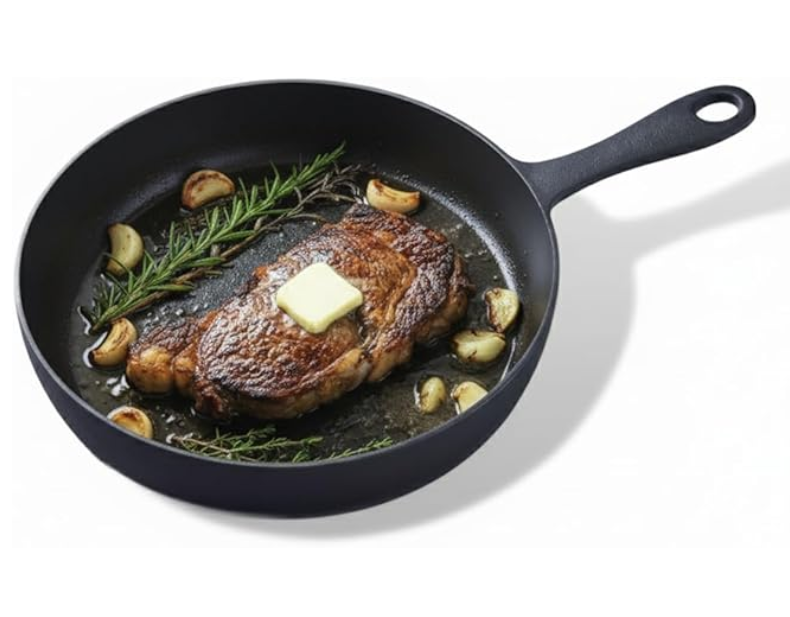
Flambo Skillet, Naturally Non-Stick

Flambo Skillet, Naturally Non-Stick

Pre-seasoned cast iron skillet for searing, baking, and stovetop-to-oven cooking.

Check price on Amazon
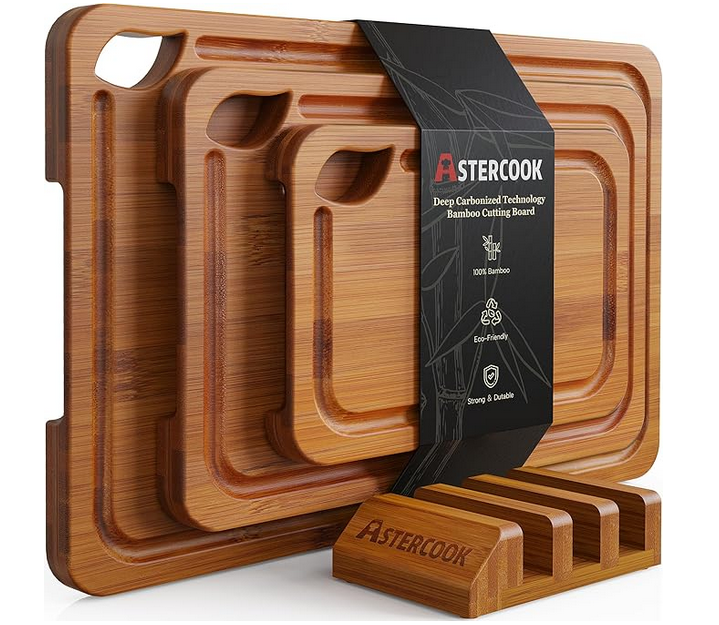
Astercook Reversible Charcuterie Board

Astercook Reversible Charcuterie Board

Deep carbonized wooden cutting board, reversible and knife-friendly for prep and serving.

Check price on Amazon
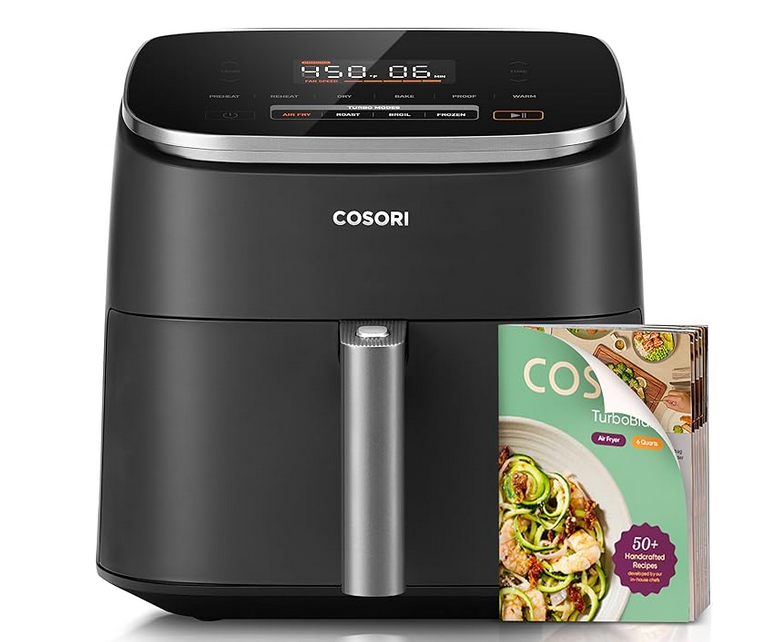
TurboBlaze Premium Ceramic Coating Air Fryer

TurboBlaze Premium Ceramic Coating Air Fryer

Air fryer with ceramic coating, 90°F–450°F range for crispy results with less oil.

Check price on Amazon

The mistake isn't just about when to stop—it's about what happens before that moment. High heat accelerates protein coagulation, which means your window for perfect texture shrinks dramatically. Medium-low heat gives you more control and a wider margin for error.

Constant, gentle movement creates smaller curds and prevents hot spots that cook too fast. Use a spatula to push the eggs from the edges toward the center, letting the liquid fill in the gaps. The motion should be slow and deliberate, not frantic. You're folding the eggs rather than scrambling them aggressively.

Add a small pat of cold butter at the very end, just before you remove the pan from heat. The cold fat stops the cooking process immediately and adds a silky richness that makes the eggs taste luxurious.

Temperature insurance

If you're nervous about undercooking, remember that eggs are safe to eat when they reach 160°F internally. Soft, creamy scrambled eggs hit this temperature well before they look fully set. The wet appearance doesn't mean they're raw—it means they're cooked correctly.

Some cooks transfer their eggs to a cool bowl the moment they come off the heat, which stops the cooking process even faster. Others add a splash of cold cream or a spoonful of crème fraîche right at the end, which both cools the eggs and adds extra richness.

The texture you're aiming for

Perfect scrambled eggs should coat a fork rather than bounce off it. When you cut through them with the side of your toast, they should yield easily, almost melting. There shouldn't be any liquid seeping out, but there also shouldn't be any resistance. The curds should be small and barely distinct, folded together into soft, billowy clouds.

Next time you make scrambled eggs, resist the urge to leave them on the heat until they look safe. Trust that those glossy, slightly-wet curds will become exactly what you want by the time you sit down to eat them. That's the difference between eggs that make you reach for water and eggs that make you wonder why you don't make breakfast more often.