Introduction
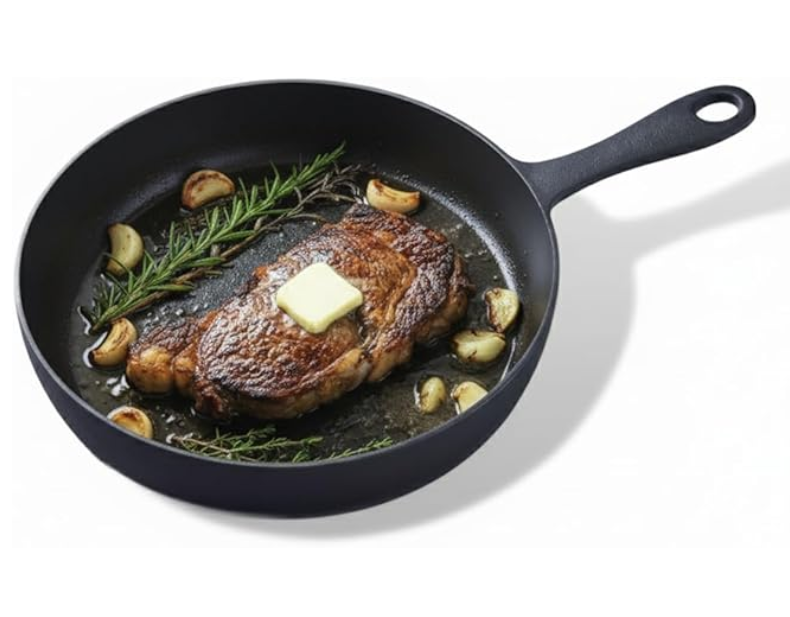
It's 6:47 PM on a Wednesday. You've got chicken breasts on the cutting board, a hot skillet waiting, and you reach for the salt—giving each piece a generous sprinkle right before it hits the pan. The meat sizzles, but something's off. Instead of that gorgeous golden crust you see in restaurant kitchens, you're getting pale, steamed-looking protein that sticks to the pan. The culprit isn't your technique or your stove. It's those thirty seconds between salting and cooking.
Most home cooks know salt matters. What they don't realize is that *when* you salt matters just as much as how much. That single timing decision—adding salt five minutes too early or ten minutes too late—can be the difference between a dish that tastes flat and one that makes everyone reach for seconds.
Why timing changes everything
Salt doesn't just add flavor. It's a chemical agent that pulls moisture to the surface through osmosis. This moisture can either work for you or against you, depending on what you're cooking and when you add the salt.
On meat, salt initially draws water outward. If you cook immediately, that surface moisture creates steam, preventing the high-heat contact needed for browning. But wait 40 minutes? The salt dissolves into that moisture, gets reabsorbed along with the seasoning, and the surface dries out again—ready to sear properly. With vegetables, the equation flips entirely. Salt them during cooking to help break down cell walls and concentrate flavors. Salt them an hour before roasting? You'll end up with limp, waterlogged vegetables that never caramelize.
The meat timing window
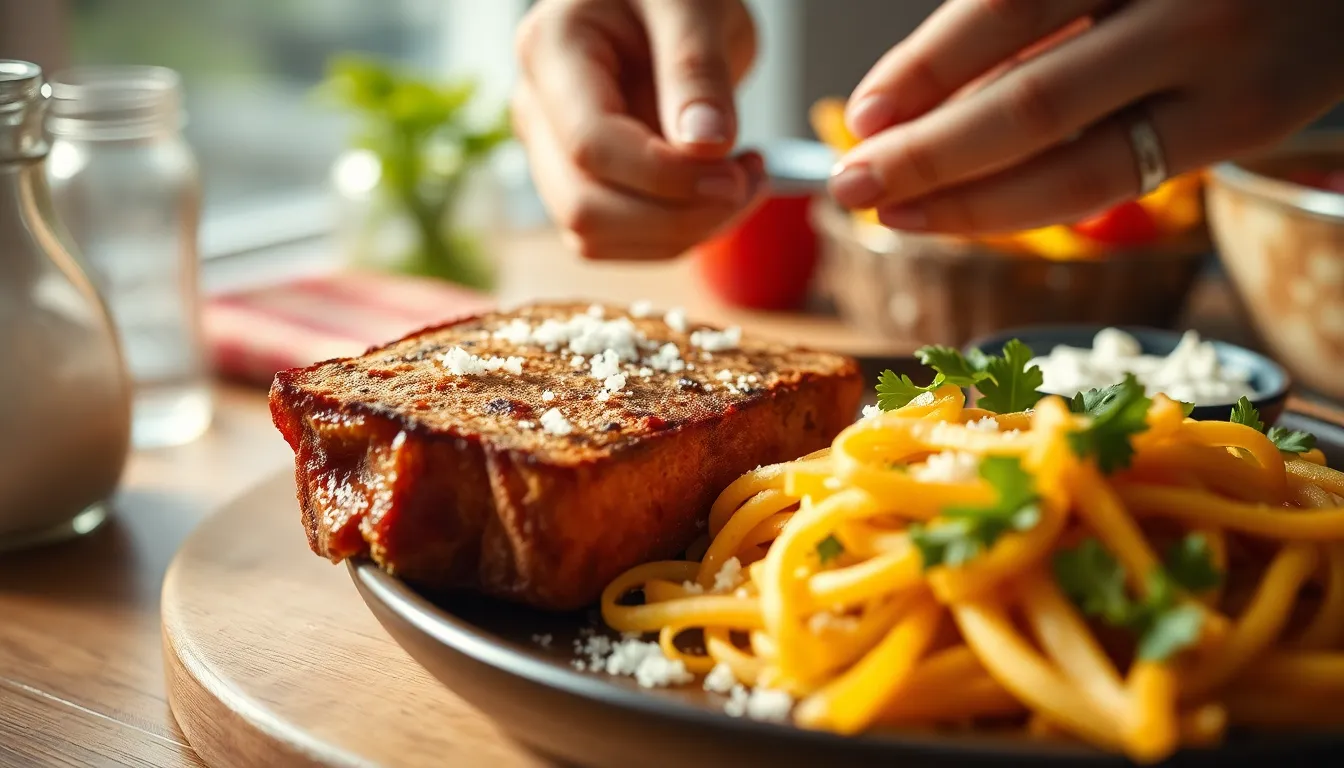
For steaks, chops, and chicken breasts, you have two good options: salt either 40-45 minutes before cooking (or up to overnight in the fridge), or literally right before it hits the heat—we're talking seconds, not minutes.
The 40-minute sweet spot gives salt time to penetrate the meat and for surface moisture to evaporate. Serious steakhouses salt their beef the night before. At home, even 45 minutes makes a noticeable difference. The meat develops a tacky, slightly dry surface that browns beautifully and holds onto its juices better during cooking.
The last-second approach works when you're in a rush, but the window is narrow. Season and immediately place in the screaming-hot pan. No hesitation, no answering texts, no adjusting the heat. The salt barely has time to pull moisture before the searing begins.
The danger zone? That 5-30 minute window where salt has drawn moisture out but it hasn't reabsorbed. Your meat will steam, stick, and develop a gray, boiled appearance instead of a caramelized crust.