Introduction
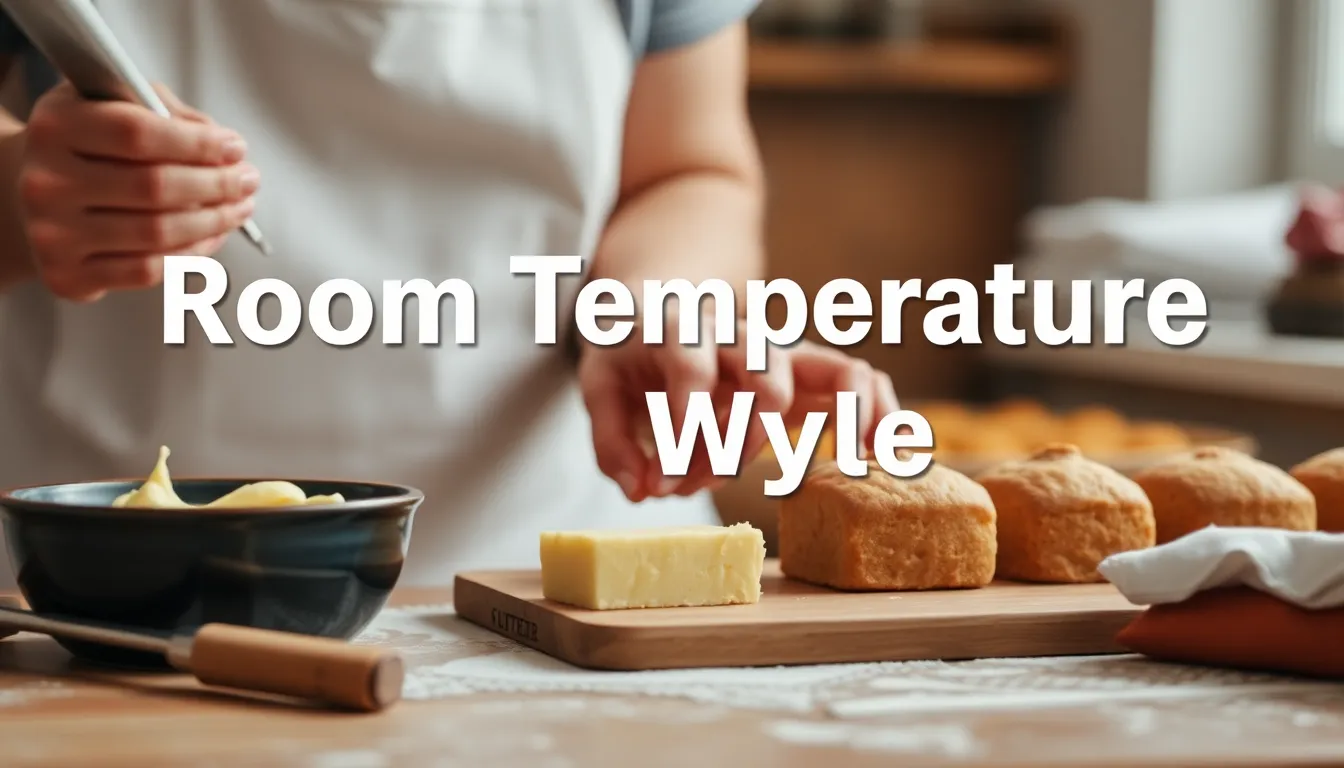
The cookie dough wasn't coming together. I stood at my mixer watching cold chunks of butter bounce around the bowl like yellow pebbles, refusing to blend with the sugar. My grandmother's recipe card said "cream butter and sugar until fluffy"—but this looked nothing like fluffy. It looked like a grainy mess. That's when I learned that room temperature butter isn't just a suggestion bakers throw around to sound particular. It's chemistry, and ignoring it changes everything.
Why temperature actually matters
Butter exists in this fascinating state between solid and liquid. When it's truly at room temperature—around 65 to 68 degrees Fahrenheit—the fat crystals have softened just enough to trap air when you beat them with sugar. This is called creaming, and those tiny air pockets are what give your cookies lift, your cakes tenderness, and your frosting that silky texture. Cold butter can't do this. It stays in stubborn chunks, refuses to incorporate, and you end up with dense, flat results that taste fine but have the wrong texture entirely.
The problem is that most of us don't think about butter until we're already measuring flour. We pull it straight from the fridge, maybe give it a few seconds in the microwave, and call it good. But partially melted butter is just as problematic as cold butter—it's lost its structure, and instead of creating air pockets, it just makes everything greasy and spreads too thin.
What room temperature actually feels like
Here's the test that changed my baking: press your finger gently into the butter. It should give slightly, leaving a small indent, but your finger shouldn't sink through or come away greasy. The butter should still feel cool—not warm, not slick, just yielding. If it holds its shape completely, it's too cold. If it's shiny or your finger slides, it's too warm.
Most butter needs about 30 to 45 minutes on the counter, depending on your kitchen temperature. In summer, this happens faster. In winter, it might take an hour. I've learned to set butter out first thing, even before I check what else I need. It sits there on a small plate while I gather ingredients, preheat the oven, and line baking sheets.
The kitchen mistakes I made
I've tried every shortcut. The microwave works only if you're incredibly careful—five-second bursts, rotating the stick, checking constantly. But one second too long and you've got a melted puddle on one end and a cold block on the other. I've grated frozen butter, which works for biscuits and scones but doesn't help with creaming. I've pounded it with a rolling pin, which just makes flat cold butter instead of cubed cold butter.
The worst mistake was thinking it didn't matter for certain recipes. "It's just chocolate chip cookies," I thought. "Close enough." But those cookies spread into thin, crispy discs instead of thick, chewy rounds. The dough had been too warm because I'd microwaved the butter into submission. Another time, I made frosting with cold butter—it never got smooth, just grainy and separated, no matter how long I beat it.