Quick Dinners
Recipe

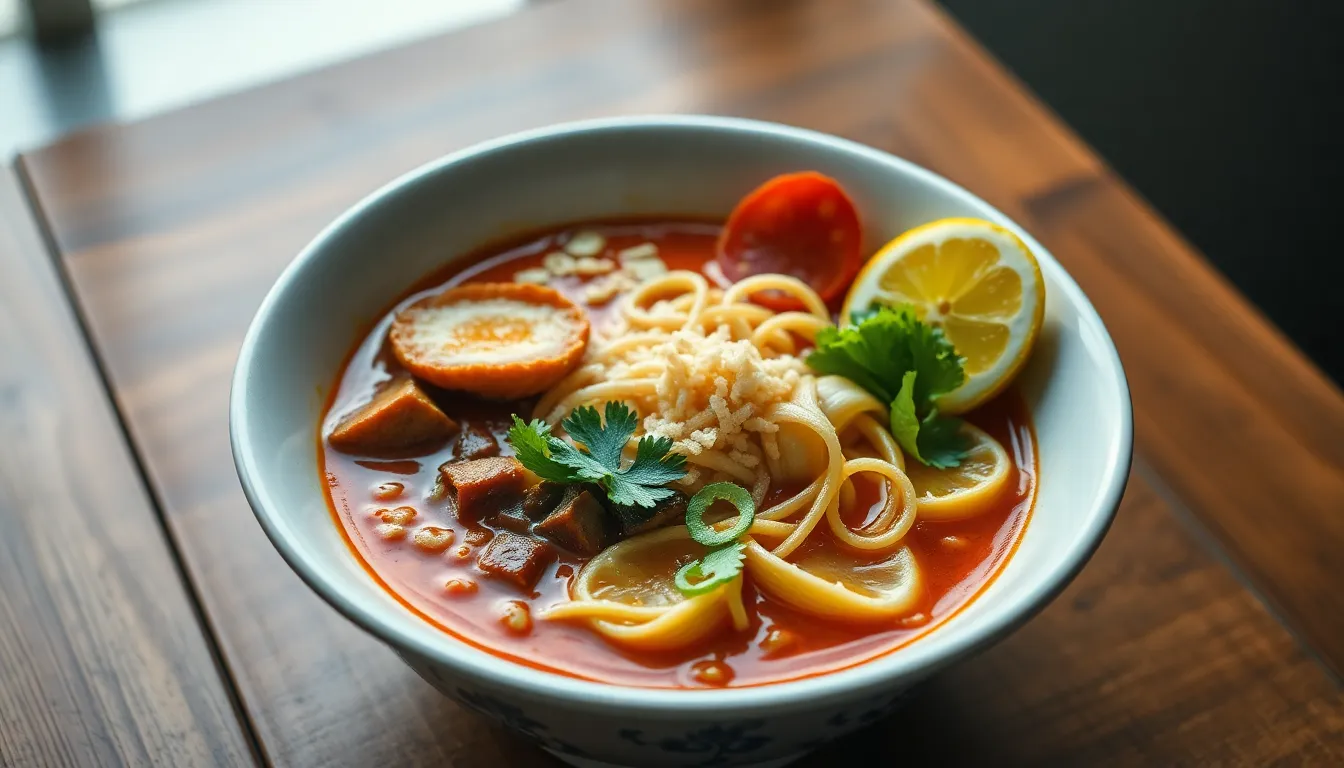
A ramen upgrade a college student shared that got thousands of saves

Yummy Editorial
Photo: A ramen upgrade a college student shared that got thousands of saves
Prep

5m

Cook

10m

Total

15m

Servings

1 serving

Ingredients

  • 1 package instant ramen noodles (any flavor)
  • 2 cups water
  • 1 tablespoon sesame oil
  • 1 tablespoon soy sauce
  • 1 teaspoon rice vinegar
  • 1 large egg
  • 2 green onions, thinly sliced
  • 1 teaspoon chili crisp or sriracha (optional)
  • 1/2 teaspoon garlic powder
  • Handful of baby spinach or bok choy

Instructions

  1. Bring water to boil in a small pot. Add noodles and cook for 2 minutes, stirring occasionally.
  2. While noodles cook, crack egg into a small bowl. Mix sesame oil, soy sauce, rice vinegar, and garlic powder in your serving bowl.
  3. Add spinach or bok choy to the noodles in the last minute of cooking.
  4. Create a gentle whirlpool in the boiling water with a spoon. Slowly pour the egg into the center and let it cook undisturbed for 1 minute for a soft, jammy yolk.
  5. Transfer noodles, greens, and about half the cooking liquid to your serving bowl. Stir to combine with the sauce mixture.
  6. Use a slotted spoon to gently lift the poached egg on top. Garnish with sliced green onions and chili crisp.

Introduction

It's 11pm on a Tuesday, and Maya's staring at her dorm room microwave with the kind of desperation only finals week understands. She's got exactly one package of instant ramen, three dollars in her checking account until Friday, and zero energy to walk to the dining hall. But instead of just dumping hot water over those crinkly noodles like usual, she reaches for the bottle of sesame oil her roommate left on their shared shelf. What happened next turned into a video with 47,000 saves and counting—because sometimes the best recipes come from necessity, a tiny kitchen, and knowing exactly three fancy ingredients.

Why this ramen hack actually works

Instant ramen already has the foundation right: springy noodles that cook in minutes, a salty base that hits the spot. The problem isn't the noodles themselves—it's that the flavor packet alone creates a one-note, overly processed taste. This upgrade doesn't reject instant ramen. It enhances it with layers: the nutty warmth of sesame oil, the umami depth of soy sauce, the gentle tang of rice vinegar. You're not trying to pretend it's something it isn't. You're just making it taste like the best version of itself, the way a little butter transforms microwave popcorn.

The genius is in the egg. That jammy, golden yolk breaks into the broth and creates this silky, rich texture that makes the whole bowl feel expensive. It's the difference between eating and actually enjoying your meal.

The base upgrade

Start with your sauce mixture in the bottom of your bowl before anything else. This matters more than you'd think. Sesame oil, soy sauce, rice vinegar, and a shake of garlic powder create a foundation that the hot broth will blend into. When you pour everything together at the end, the heat releases all those aromatic oils. Your dorm room or apartment will smell like an actual restaurant for a few glorious minutes.

Skip the flavor packet entirely, or use just half if you're worried about salt. You won't miss it. The soy sauce brings plenty of saltiness, and the sesame oil adds a toasted, nutty depth that the packet could never manage. The rice vinegar cuts through everything with just enough brightness to keep each bite interesting instead of monotonous.

The jammy egg technique

Here's where college students everywhere started screen-recording. You don't need to perfectly poach an egg—you just need boiling water and thirty seconds of confidence. While your noodles bubble away, crack an egg into a small bowl. In the last minute of cooking, create a gentle whirlpool in the pot with your spoon. Pour the egg slowly into the center.

Don't touch it. Don't stir. Don't panic. Let it sit for exactly one minute while the whites set and the yolk stays gloriously runny. When you lift it out with a slotted spoon, you'll have something that looks almost professional. When that yolk breaks into your broth, it transforms the entire bowl into something creamy and luxurious.
The green element

Essential kitchen gear for your recipes

Hand-picked tools we recommend for home cooks.

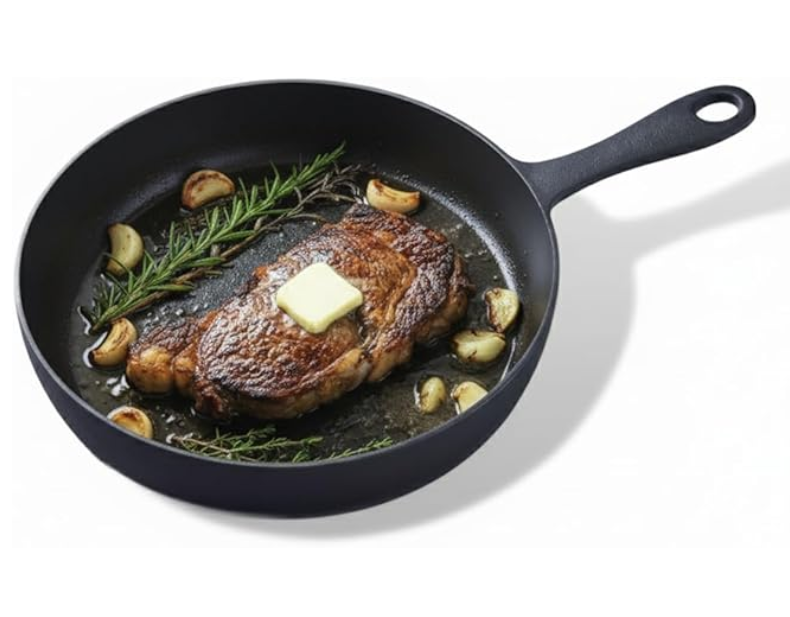
Flambo Skillet, Naturally Non-Stick

Flambo Skillet, Naturally Non-Stick

Pre-seasoned cast iron skillet for searing, baking, and stovetop-to-oven cooking.

Check price on Amazon
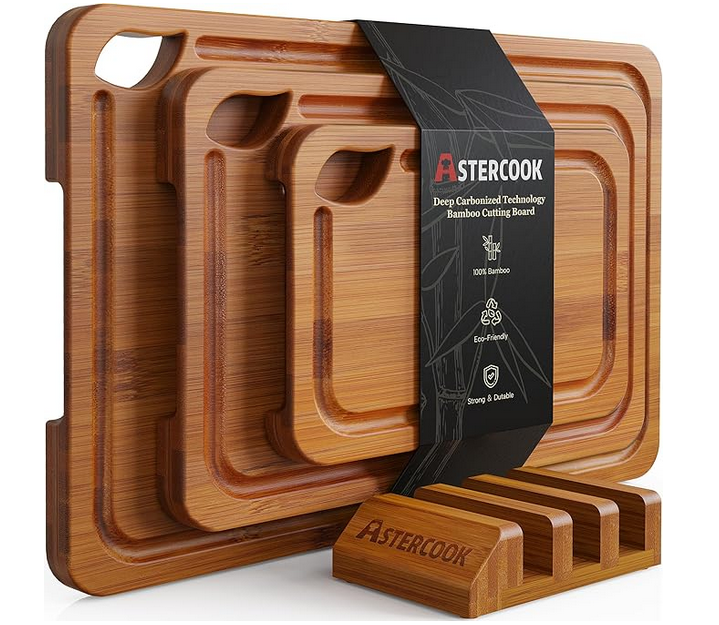
Astercook Reversible Charcuterie Board

Astercook Reversible Charcuterie Board

Deep carbonized wooden cutting board, reversible and knife-friendly for prep and serving.

Check price on Amazon
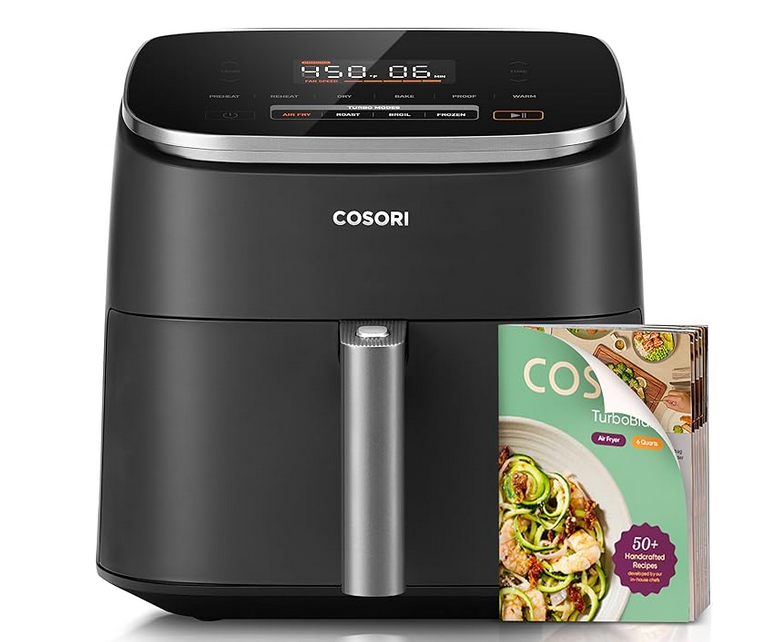
TurboBlaze Premium Ceramic Coating Air Fryer

TurboBlaze Premium Ceramic Coating Air Fryer

Air fryer with ceramic coating, 90°F–450°F range for crispy results with less oil.

Check price on Amazon

Toss in whatever greens you have during the last minute of cooking. Baby spinach wilts in seconds. Bok choy adds a slight crunch. Even frozen peas work if that's what's hiding in your freezer. This isn't about being healthy—it's about texture and color and making your bowl look like something you'd actually order.

The greens soak up the broth and add little bursts of freshness between bites of rich, saucy noodles. They make the whole thing feel more complete, less like desperation food and more like an intentional meal.

Quick variations for different cravings

Keep a jar of chili crisp in your pantry. A spoonful on top adds heat, crunch, and this addictive garlicky oil that you'll want on everything. If you've got leftover rotisserie chicken, shred some on top. Frozen dumplings can cook right in the broth alongside your noodles. A squeeze of lime instead of rice vinegar gives it a completely different brightness.

Miso paste (the kind that lasts forever in your fridge) can replace half the soy sauce for a deeper, earthier flavor. Peanut butter—hear me out—whisked into the sauce base creates a makeshift dan dan situation that's ridiculously good.

Making it actually sustainable

This works because everything keeps. Sesame oil lives in your cabinet for months. Soy sauce is eternal. Eggs are cheap. Green onions regrow in a glass of water on your windowsill if you save the roots. You're not buying specialty ingredients that'll go bad before you use them again—you're building a small arsenal of staples that make every quick meal better.

The whole thing costs maybe two dollars more than plain ramen, takes ten minutes, and produces something you'll actually look forward to eating. That's the real upgrade.

The bigger lesson

This recipe went viral because it understands something fundamental: you don't need fancy equipment or expensive ingredients to eat well. You just need to know a few techniques that work with what you already have. Maya's video wasn't about perfection—it was about making something good enough to save when you're tired and broke and hungry. Sometimes that's exactly the recipe we all need.