Kitchen Mistakes
Food News

A pastry chef shares the baking soda and baking powder mix-up she sees constantly

Yummy Editorial
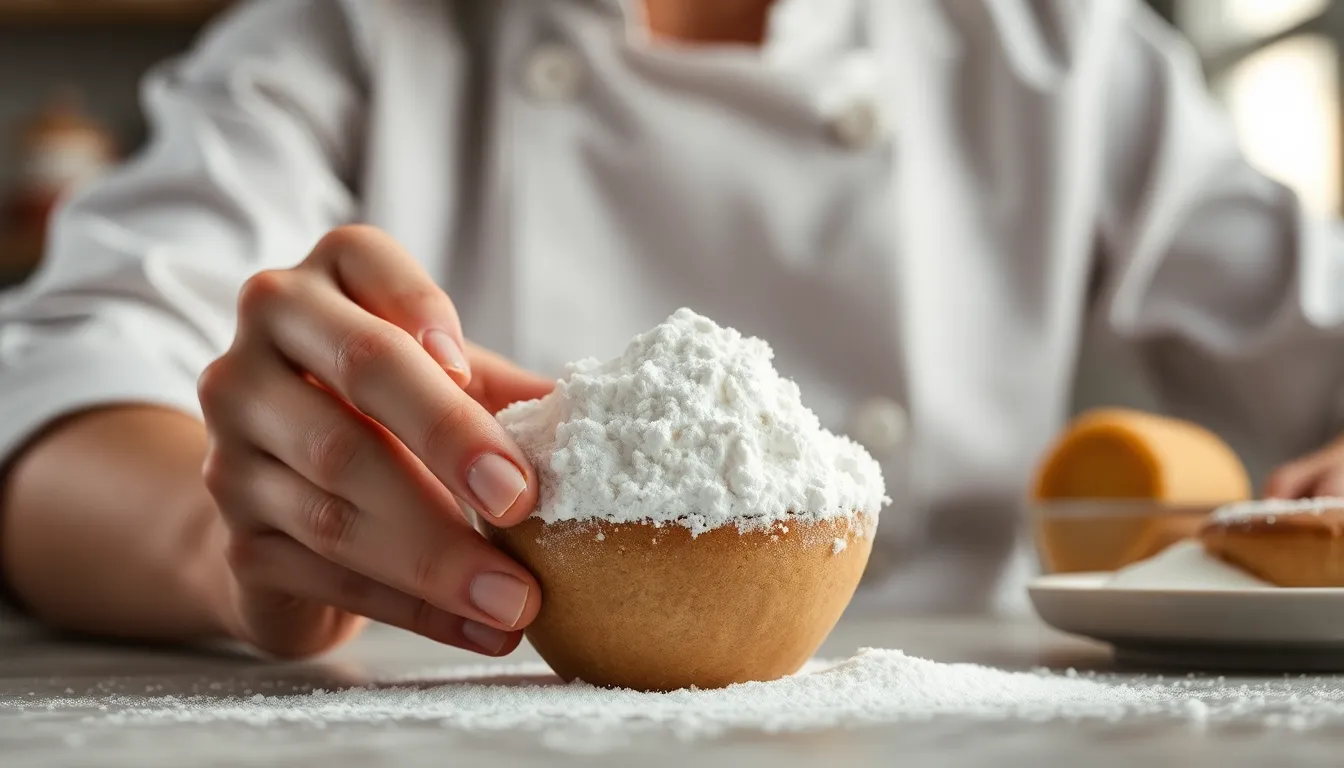
Photo: A pastry chef shares the baking soda and baking powder mix-up she sees constantly

Introduction

The brownies looked perfect going into the oven—glossy batter, precise measurements, the kitchen smelling like dark chocolate and vanilla. Thirty minutes later, they emerged flat as pancakes with a weird metallic aftertaste that no amount of powdered sugar could hide. Maya Chen, a pastry chef at a Brooklyn bakery, sees this exact scenario play out in her beginner baking classes at least twice a month. The culprit? Someone grabbed baking soda when the recipe called for baking powder, or used them interchangeably thinking they're basically the same thing.

They're not. And this mixup ruins more home-baked goods than almost any other kitchen mistake.

Why this confusion happens so often

Both come in similar boxes. Both sit in the baking aisle. Both make things rise. The names sound nearly identical. It's no wonder people treat them like twins when they're actually distant cousins with completely different jobs.

Chen explains it simply: "Baking soda is pure sodium bicarbonate—it needs an acid to activate, like buttermilk, yogurt, lemon juice, or brown sugar. Baking powder already contains acid mixed in, so it activates with liquid and heat." When you swap them without adjusting the recipe, the chemistry falls apart. Your cake either doesn't rise or tastes soapy and bitter.

The confusion multiplies because some recipes use both. Chocolate chip cookies might call for baking soda to create spread and crispy edges, while banana bread uses baking powder for a tender, even crumb. Understanding which does what saves you from dense muffins and hockey-puck scones.

What actually happens when you mix them up

Using baking soda instead of baking powder

Your batter rises too quickly, then collapses. Without enough acid to neutralize the sodium bicarbonate, you're left with a bitter, almost metallic flavor that coats your tongue. Chen once watched a student make chocolate cupcakes with a tablespoon of baking soda instead of baking powder. "They puffed up dramatically, then sank in the middle and tasted like licking a penny," she says.

The brown spots you sometimes see on baked goods? That's excess baking soda reacting with sugars, creating dark patches with an unpleasant taste.

Using baking powder instead of baking soda

The opposite problem occurs—not enough rise, especially in recipes designed around baking soda's reaction with acidic ingredients. Cookies stay thick and cakey instead of spreading into thin, crispy rounds. The flavor stays flat because you're missing that subtle tang baking soda brings when paired with buttermilk or molasses.

Chen points out that baking powder also contains cornstarch, which affects texture. "Your cookies might feel slightly powdery or dry because you've added starch the recipe didn't account for."
How to avoid this mistake forever

Essential kitchen gear for your recipes

Hand-picked tools we recommend for home cooks.

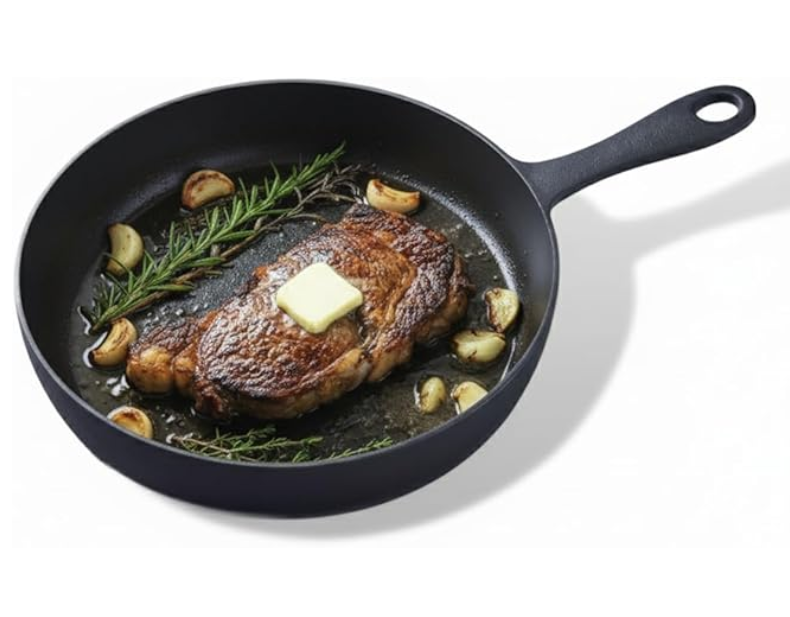
Flambo Skillet, Naturally Non-Stick

Flambo Skillet, Naturally Non-Stick

Pre-seasoned cast iron skillet for searing, baking, and stovetop-to-oven cooking.

Check price on Amazon
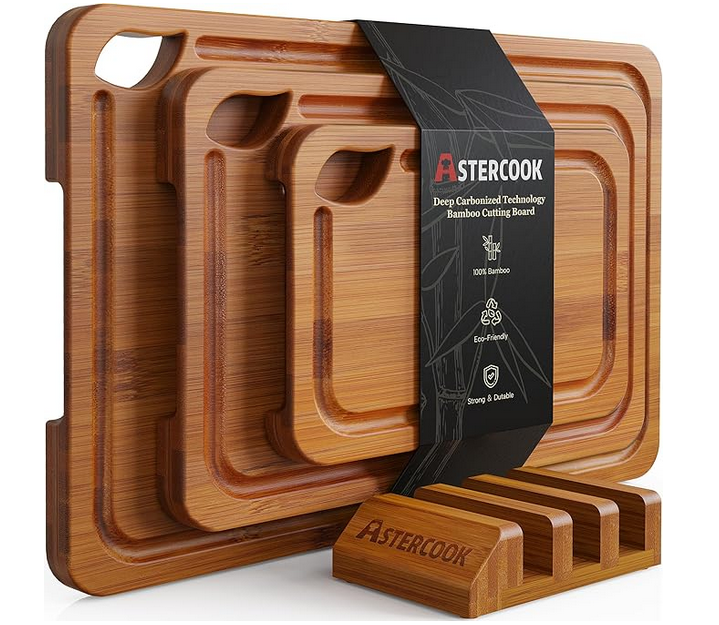
Astercook Reversible Charcuterie Board

Astercook Reversible Charcuterie Board

Deep carbonized wooden cutting board, reversible and knife-friendly for prep and serving.

Check price on Amazon
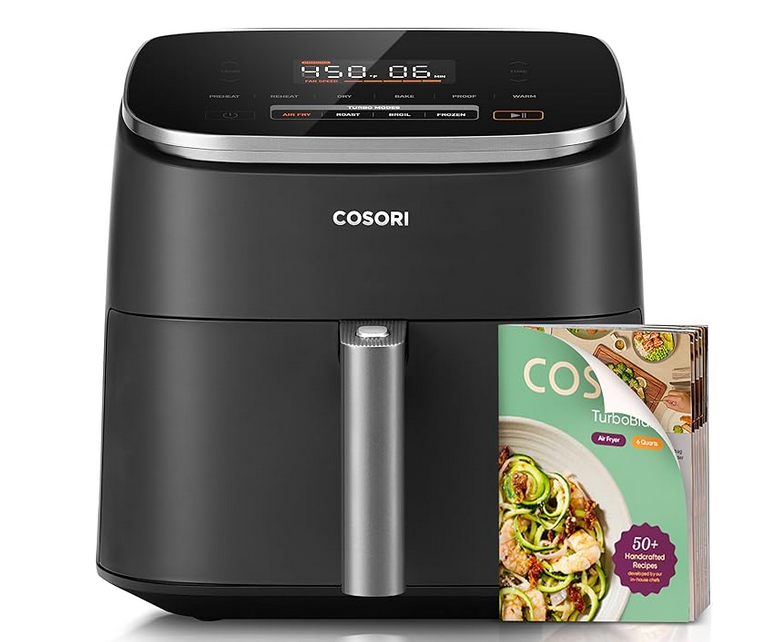
TurboBlaze Premium Ceramic Coating Air Fryer

TurboBlaze Premium Ceramic Coating Air Fryer

Air fryer with ceramic coating, 90°F–450°F range for crispy results with less oil.

Check price on Amazon

Keep them in clearly labeled containers. Chen uses a label maker and adds a simple reminder: "SODA = needs acid" on one jar, "POWDER = self-rising" on the other. Store them far apart on your shelf so you can't grab the wrong one while reading a recipe on your phone.

Check freshness regularly. Both lose potency over time. Test baking powder by dropping half a teaspoon into hot water—it should fizz immediately. For baking soda, mix it with vinegar. No bubbles? Time to replace it.

When reading recipes, look for clues. If the ingredient list includes buttermilk, sour cream, yogurt, citrus juice, or molasses, you'll probably see baking soda. Recipes using just milk or water typically rely on baking powder.

What to do if you've already mixed them up

Caught the mistake before baking? Start over if you can. The chemical reactions begin as soon as wet meets dry, so the damage is already happening.

If they're in the oven, prepare yourself. The texture won't be right, but you might salvage flavor. Chen suggests turning failed cakes into trifles, crumbling flat cookies into ice cream toppings, or making cake pops from dense, sunken layers. "I've seen people turn metallic-tasting brownies into a crust for cheesecake," she says. "The other flavors masked it enough."

Don't try to adjust mid-recipe by adding acid or more leavening. Baking chemistry doesn't work that way.

The simple rule that changes everything

Chen's students learn one sentence that sticks: "Soda needs friends, powder works alone." Baking soda requires acidic ingredients to activate and neutralize its flavor. Baking powder brings its own acid and just needs moisture and heat.

Remember that, and you'll stop reaching for the wrong white powder. Your cookies will spread properly, your cakes will rise evenly, and you'll never again wonder why everything tastes vaguely like soap. The brownies will come out exactly as glossy and fudgy as they looked going in.