Introduction
Last Tuesday, my friend Sarah texted me a photo of her pasta with a single question mark. The dish looked perfect—glossy strands, fresh herbs, a generous drizzle of that $40 olive oil she'd brought back from Italy. But something tasted off, she said. Slightly bitter. Almost metallic. I asked her one question: did you cook with that olive oil or finish with it? Long pause. "I used it for everything."
That's when I realized how many home cooks are making the same expensive mistake, literally burning through premium olive oil without understanding why their food doesn't taste as bright and vibrant as it should.
The problem with treating all olive oil the same
Walk into most kitchens and you'll find one bottle of olive oil doing all the work. It sautés the onions at breakfast, roasts the vegetables at lunch, and gets drizzled over the salad at dinner. But olive oil isn't a one-size-fits-all ingredient—and treating it that way changes the flavor of almost everything you make.
Extra virgin olive oil, the kind with that peppery kick and grassy aroma, has a relatively low smoke point—somewhere between 350°F and 410°F depending on quality. When you heat it past that threshold, the delicate compounds that make it taste special start to break down. Those fruity, bright notes? Gone. What's left often tastes bitter, flat, or slightly burnt. You've essentially turned a beautiful finishing oil into damaged fat.
What actually happens when you cook with the wrong oil
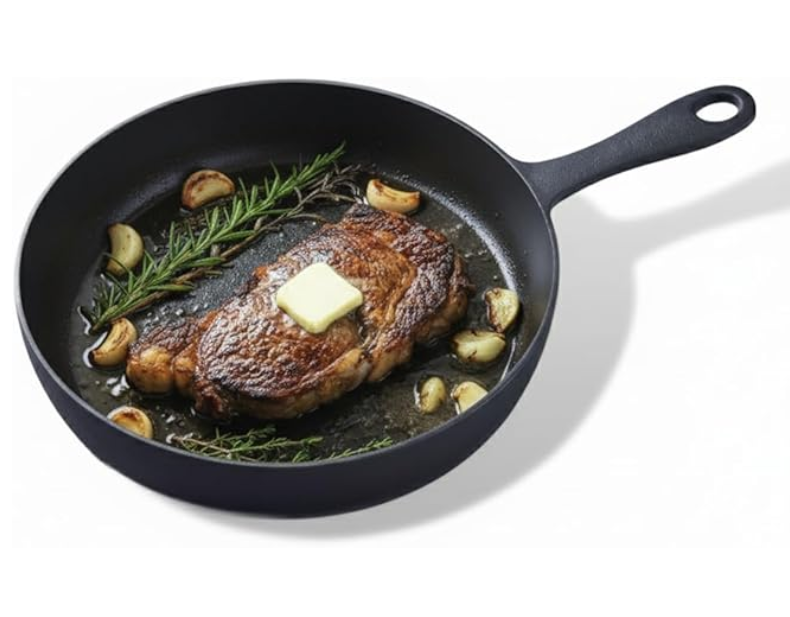
Picture this: you're making a simple chicken breast. The pan is hot—probably around 400°F when that oil hits the surface. If you're using your nice extra virgin, it immediately starts smoking lightly, and those polyphenols (the compounds responsible for that peppery bite) begin to oxidize. The chicken cooks, sure, but it picks up a slightly acrid flavor that no amount of lemon juice seems to fix.
The same thing happens when you're roasting vegetables at 425°F, or searing a steak, or even making a stir-fry over high heat. The oil breaks down before the food finishes cooking, leaving behind degraded flavors that muddy everything else in the dish. You might not even realize it's happening—you just know something tastes vaguely off.
The simple two-bottle solution
The fix is straightforward: keep two types of olive oil in your kitchen. Use regular olive oil (sometimes labeled "pure" or just "olive oil") for cooking. It's refined, has a higher smoke point around 465°F, and costs a fraction of the price. Save your extra virgin for finishing—that final drizzle over pasta, the dressing for your salad, the pool under your burrata.
When you taste them side by side, the difference becomes obvious. Regular olive oil tastes clean and neutral. Extra virgin tastes alive—peppery, fruity, sometimes almost grassy. Heating one makes sense. Heating the other is like playing a vinyl record in direct sunlight.
When to use which bottle
Use regular olive oil for: sautéing onions and garlic, pan-frying chicken or fish, roasting vegetables above 400°F, making crispy potatoes, anything that requires sustained medium-high heat.
Use extra virgin olive oil for: finishing soups and pastas, drizzling over fresh tomatoes, making vinaigrettes, dipping bread, garnishing hummus, dressing grain bowls, anywhere you want to actually taste the oil.
The moment you separate these roles, your cooking changes. That pasta Sarah made? When she tried it again—cooking the garlic in regular olive oil, then finishing with her Italian bottle—she finally tasted what she'd been missing. Bright, peppery, exactly right.
Storage matters more than you think
Even if you're using the right oil for the right job, storage can ruin everything. Light and heat are olive oil's enemies. That pretty bottle sitting next to your stove might look great, but it's slowly going rancid from the ambient heat. Olive oil should live in a cool, dark cabinet, tightly sealed. If it smells like crayons or tastes like old nuts, it's already turned.
Buy smaller bottles if you don't cook with it daily. A 250ml bottle of good extra virgin will stay fresh much longer than a liter you'll use over six months. And always check the harvest date if it's listed—olive oil isn't wine. Fresher is better.
The takeaway
You don't need to spend more money or buy fancy equipment. You just need to stop asking one bottle to do two completely different jobs. Cook with regular olive oil. Finish with the good stuff. Your pasta, your vegetables, your salads—everything will suddenly taste clearer, brighter, more like what you intended. Sometimes the smallest changes make the biggest difference.