Kitchen Mistakes
Food News

The nonstick pan habit that slowly ruins the coating over time

Yummy Editorial
Photo: The nonstick pan habit that slowly ruins the coating over time

Introduction

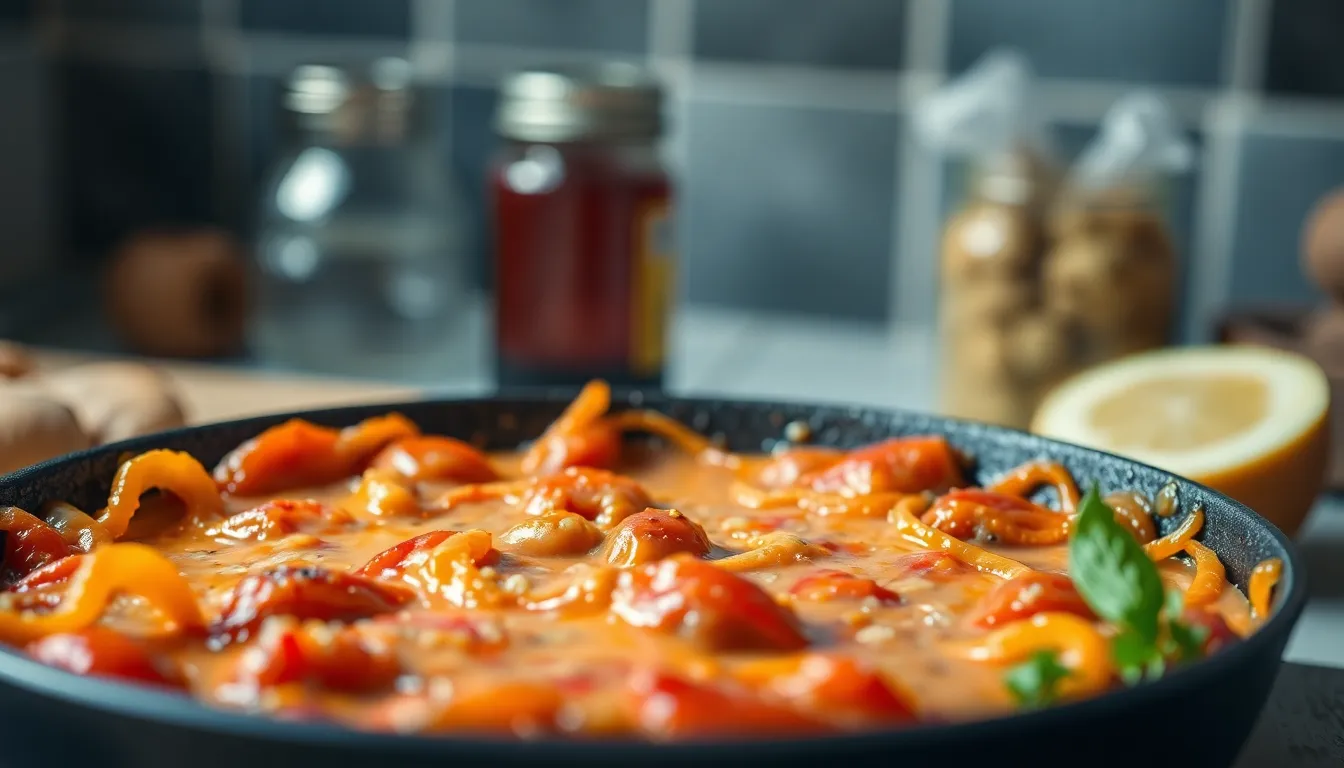
You set the pan on the burner, twist the knob to medium-high, and walk away to grab eggs from the fridge. It's Tuesday morning, you're running late, and this is just how you've always done it. By the time you return—maybe thirty seconds later—the pan's already hot and ready. Efficient, right? Except that empty pan, sitting there heating up with nothing in it, is slowly destroying the very coating that makes your morning eggs slide out so beautifully.

The invisible damage happening in your kitchen

Nonstick pans revolutionized home cooking, but they're more delicate than their durable appearance suggests. The polymer coating—whether traditional Teflon or newer ceramic—has a breaking point. When you preheat an empty nonstick pan, temperatures can skyrocket past 500°F in just two to three minutes on a standard burner. At that threshold, the coating begins to deteriorate at a molecular level. You won't see it happen. There's no smoke alarm, no visible change. Just microscopic bonds breaking down, releasing the pan's nonstick properties bit by bit.

The cruel part? This damage is cumulative. Each empty preheat session chips away a little more. After months of this habit, you'll notice eggs starting to stick in random spots, a brown discoloration appearing in the center, or the coating looking slightly dull. By then, the damage is done.

The other culprits hiding in plain sight

Preheating isn't the only silent destroyer. That metal spatula you've been using—the one that feels sturdier than those flimsy silicone versions—creates hairline scratches every time it scrapes across the surface. One scratch is invisible. A hundred scratches become a visible worn patch where food starts clinging.

Cooking spray presents another paradox. It seems logical: add extra nonstick insurance to your nonstick pan. But most aerosol sprays contain lecithin and propellants that leave behind a thin residue. This film doesn't wash off completely with regular soap and water. Instead, it builds up, carbonizes under repeated heat, and creates a tacky surface that food loves to grip. Professional chefs almost never use cooking spray on nonstick pans for exactly this reason.

The dishwasher temptation is real, especially after a long day. Nonstick pans are often labeled dishwasher-safe, but that label doesn't tell the whole story. The high heat, harsh detergents, and jostling against other dishes gradually erode the coating. It might take fifty cycles or a hundred, but the pan that emerges won't have the same glide it once did.
What actually works

Essential kitchen gear for your recipes

Hand-picked tools we recommend for home cooks.

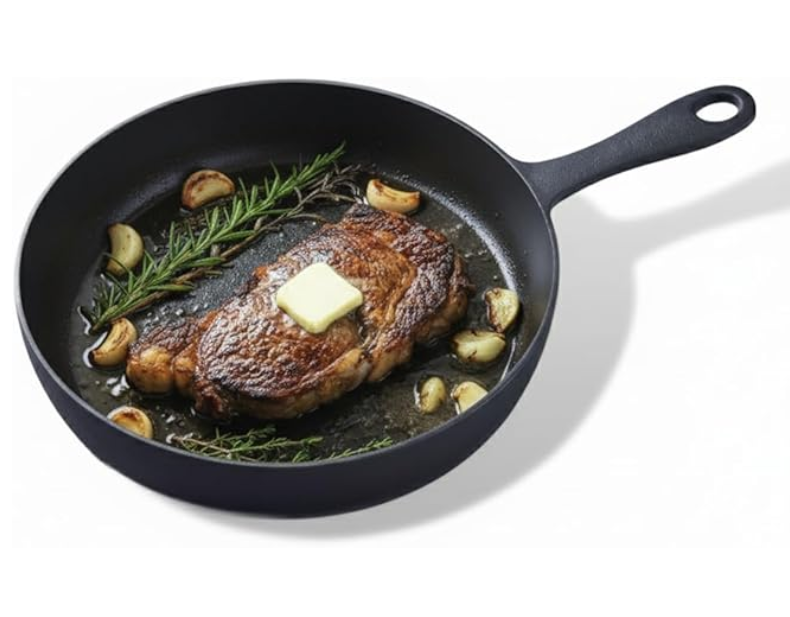
Flambo Skillet, Naturally Non-Stick

Flambo Skillet, Naturally Non-Stick

Pre-seasoned cast iron skillet for searing, baking, and stovetop-to-oven cooking.

Check price on Amazon
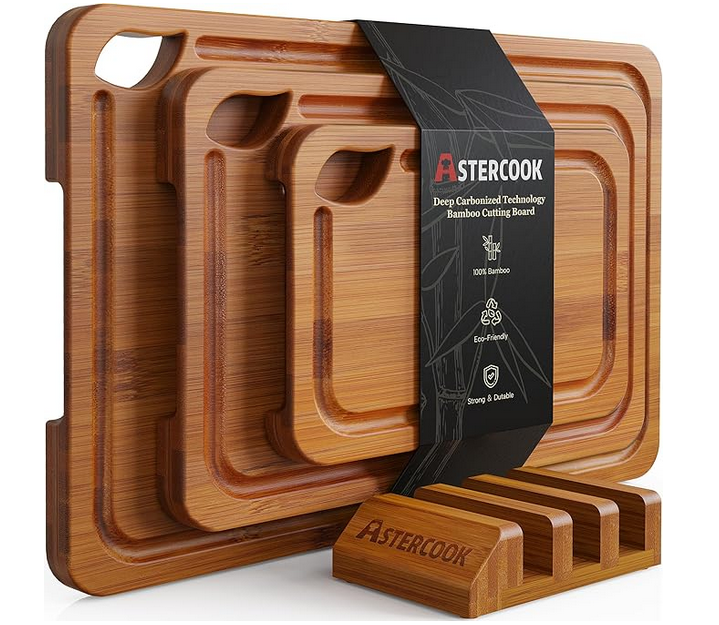
Astercook Reversible Charcuterie Board

Astercook Reversible Charcuterie Board

Deep carbonized wooden cutting board, reversible and knife-friendly for prep and serving.

Check price on Amazon
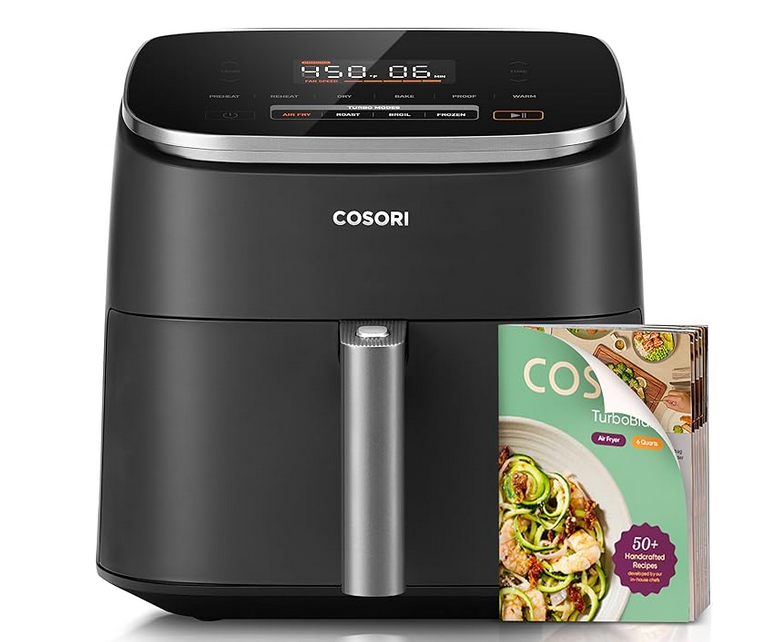
TurboBlaze Premium Ceramic Coating Air Fryer

TurboBlaze Premium Ceramic Coating Air Fryer

Air fryer with ceramic coating, 90°F–450°F range for crispy results with less oil.

Check price on Amazon

Start with cold oil or butter in a cold pan. This simple switch protects the coating and gives you better heat distribution anyway. As the pan warms gradually with fat already in it, you'll never reach those damaging temperatures. You'll also get better sensory feedback—when the butter starts bubbling gently, you know the pan's ready. When olive oil shimmers and moves like water, it's time to add food.

Switch to wooden, silicone, or high-quality nylon utensils. They cost a bit more upfront but preserve your pan investment. A good silicone spatula has enough structure to flip a burger but enough give to protect that delicate surface. You'll feel the difference immediately—no more metal-on-metal scraping sound that makes you wince.

For cleaning, hand-wash with warm soapy water while the pan's still slightly warm—not hot. Use a soft sponge or dishcloth. That gentle approach removes food particles and prevents buildup without stressing the coating. If something's really stuck, let the pan soak for ten minutes. The food will release without scrubbing.

Small adjustments, longer-lasting pans

Keep heat at medium or below. Nonstick pans excel at moderate temperatures; they don't need high heat to work effectively. Lower heat also means less oil splatter, more controlled cooking, and better flavor development in many dishes.

Store pans carefully. Stack them with soft cloth or paper towels between each one, or hang them if you have the space. Those small preventive measures stop the coating from getting scratched during storage.

Consider having two nonstick pans: one eight-inch for eggs and delicate fish, one ten or twelve-inch for everything else. Rotating between them extends both their lives.

The real cost of rushing

That empty pan preheating while you multitask isn't saving time—it's borrowing from your pan's future. A quality nonstick pan can last five to seven years with proper care, or less than two years with these common habits. The difference isn't the pan itself. It's those small repeated choices, the ones that feel insignificant in the moment but accumulate into real damage. Start with fat in a cold pan tomorrow morning. Your eggs will still slide out perfectly, and your pan will thank you months from now.