Quick Dinners
Recipe

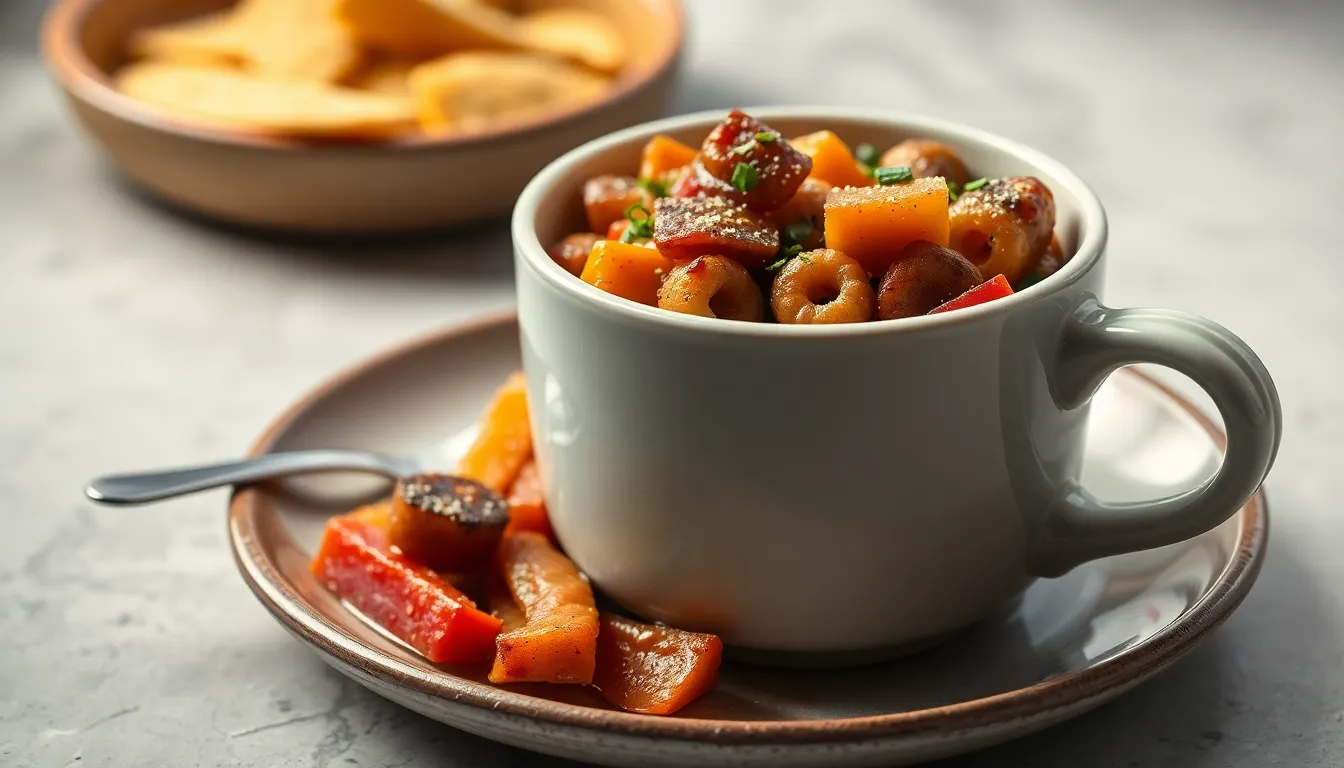
A microwave mug dinner that actually tastes homemade

Yummy Editorial
Photo: A microwave mug dinner that actually tastes homemade
Prep

3m

Cook

2m

Total

5m

Servings

1 serving

Ingredients

  • 1/3 cup cooked white rice or quinoa
  • 1/4 cup cooked chicken, shredded (rotisserie works perfectly)
  • 2 tablespoons frozen mixed vegetables
  • 1/4 cup chicken broth or stock
  • 1 tablespoon cream cheese
  • 1 tablespoon grated Parmesan cheese
  • 1/4 teaspoon garlic powder
  • 1/4 teaspoon dried thyme
  • Salt and black pepper to taste
  • Fresh parsley or chives for garnish (optional)

Instructions

  1. In a large microwave-safe mug (at least 12 ounces), layer the cooked rice on the bottom.
  2. Add shredded chicken and frozen vegetables on top of the rice.
  3. Pour chicken broth over everything, then drop the cream cheese in the center.
  4. Sprinkle with Parmesan, garlic powder, thyme, salt, and pepper.
  5. Microwave on high for 90 seconds. Stir well, breaking up the cream cheese.
  6. Microwave for another 30-45 seconds until heated through and slightly bubbling around the edges.
  7. Let stand for 30 seconds (it'll be hot), stir again, and garnish with fresh herbs if desired.

Introduction

It's 8:47 PM on a Tuesday, and you're standing in your kitchen in sweatpants, too tired to order takeout but too hungry to ignore the growling in your stomach. The dishes from last night are still in the sink. Your largest pot feels impossibly heavy. This is the exact moment when a mug dinner stops being a sad compromise and starts being genius.

The microwave gets a bad reputation. Sure, it's reheated plenty of rubbery leftovers and turned frozen burritos into lava pockets with frozen centers. But with the right technique and layering, it can produce something that tastes genuinely homemade—creamy, savory, with that just-stirred comfort you'd expect from a pot that simmered on the stove.

Why mug dinners actually work

The magic happens in the layering. Unlike throwing everything into a bowl and hoping for the best, building ingredients in a specific order creates steam pockets that cook evenly. The liquid on the bottom heats first, creating moisture that rises through the grains and protein. Cream cheese melts into a silky sauce without curdling because it's insulated by other ingredients. The small vessel concentrates flavors instead of diluting them.

There's also something satisfying about eating directly from the cooking vessel. One mug, one spoon, zero pans to scrub. It's the kind of efficiency that feels clever rather than lazy.

The base layer formula

Start with a starch that's already cooked—leftover rice, quinoa, or even small pasta shapes work beautifully. Cold grains from the fridge are actually ideal because they won't overcook in the microwave. They'll soften and absorb the broth without turning mushy.

This layer acts as a foundation, soaking up all the flavors that drip down from above. White rice becomes creamy. Brown rice gets tender at the edges while staying slightly chewy in the center. Quinoa takes on an almost risotto-like quality when it absorbs the liquid and cheese.

Building the flavor layers

The protein goes next. Rotisserie chicken is the MVP here—it's already seasoned, moist, and shreds easily with two forks. But leftover steak sliced thin, canned tuna, or even crumbled cooked sausage work just as well. The key is using something that's already cooked, so the microwave just needs to reheat rather than cook from raw.

Frozen vegetables are your friend. They're picked at peak ripeness, require no chopping, and their moisture helps create steam. Peas, corn, diced carrots, or mixed blends all work. They'll cook just enough to lose their raw frozen taste while staying bright and slightly crisp.

The broth is essential—it transforms this from a pile of ingredients into an actual meal. Chicken stock adds savory depth. Vegetable broth keeps it lighter. Even a splash of miso mixed with hot water works. You want just enough liquid to create steam and sauce, about 1/4 cup, not so much that it turns soupy.
The creamy element

Essential kitchen gear for your recipes

Hand-picked tools we recommend for home cooks.

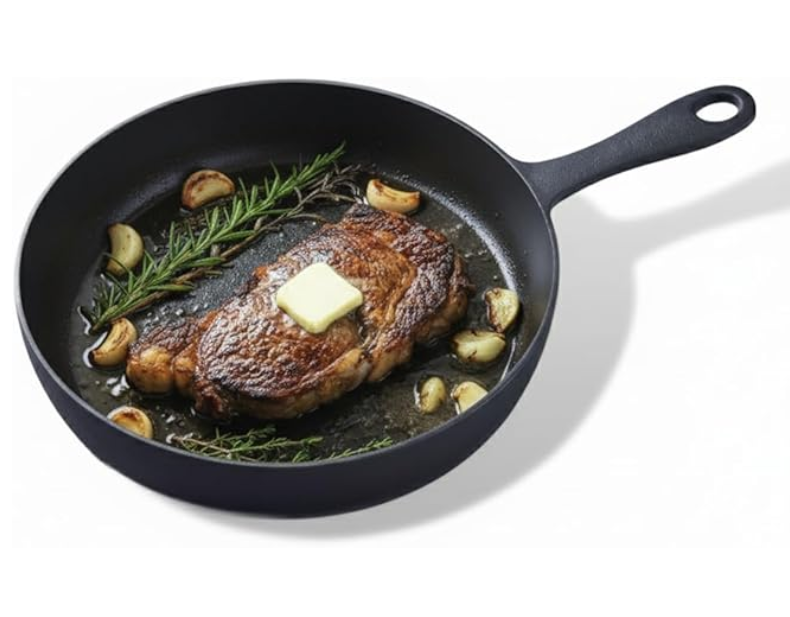
Flambo Skillet, Naturally Non-Stick

Flambo Skillet, Naturally Non-Stick

Pre-seasoned cast iron skillet for searing, baking, and stovetop-to-oven cooking.

Check price on Amazon
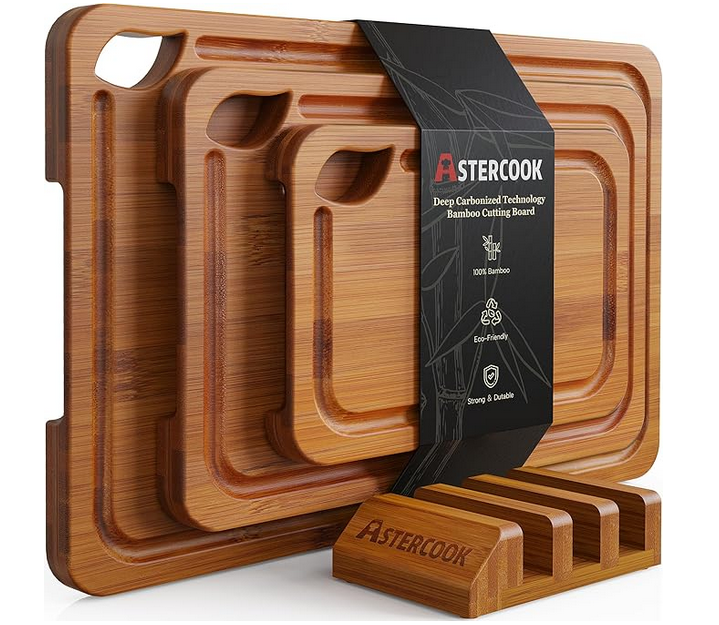
Astercook Reversible Charcuterie Board

Astercook Reversible Charcuterie Board

Deep carbonized wooden cutting board, reversible and knife-friendly for prep and serving.

Check price on Amazon
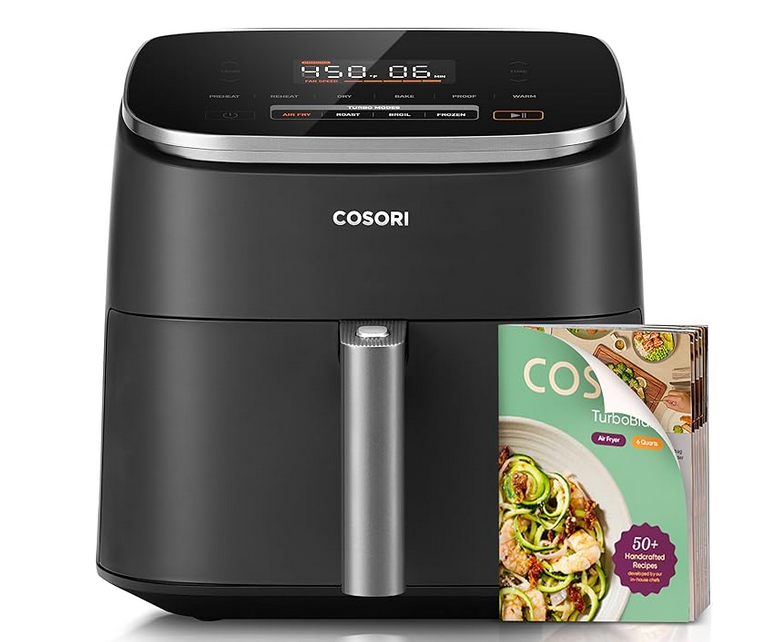
TurboBlaze Premium Ceramic Coating Air Fryer

TurboBlaze Premium Ceramic Coating Air Fryer

Air fryer with ceramic coating, 90°F–450°F range for crispy results with less oil.

Check price on Amazon

This is what makes it taste homemade instead of assembled. A tablespoon of cream cheese melts into a silky sauce that coats every grain of rice. It doesn't break or separate like milk might. The microwave heat gently softens it while the stirring action emulsifies it into the broth.

Parmesan adds salty, nutty depth. Stir it in after the first microwave interval so it melts evenly rather than forming rubbery spots. A tiny pat of butter makes everything glossier. Even a spoonful of sour cream or a drizzle of heavy cream transforms the texture completely.

The microwave technique

Power matters here. High power for the initial burst creates steam quickly. The first 90 seconds heats the liquid and starts melting the cheese. Stirring breaks everything up, distributing heat evenly and preventing hot spots. The second shorter burst finishes the job without overcooking the edges.

Standing time isn't optional. The mug will be legitimately hot—handle-with-a-towel hot. But more importantly, those 30 seconds let the residual heat finish cooking everything gently while the sauce thickens slightly as it cools.

Variations that work

Swap chicken for canned white beans and use vegetable broth for a vegetarian version. Add a handful of baby spinach before the final microwave interval—it'll wilt perfectly. Stir in a spoonful of pesto instead of cream cheese for herby brightness. Use coconut milk instead of broth, add curry powder, and finish with a squeeze of lime for Thai-inspired flavors.

Leftover cooked pasta works in place of rice—penne or rotini are sturdiest. A beaten egg stirred in after the first microwave interval creates an almost carbonara effect. Salsa instead of broth makes it Mexican-inspired; top with shredded cheese and crushed tortilla chips.

Storage and prep ahead

Cook a big batch of rice on Sunday. Store it in portion-sized containers in the fridge. Keep rotisserie chicken shredded in a container, and frozen vegetables in the freezer door where they're easy to grab. With these three elements ready, a mug dinner takes literally two minutes to assemble.

The dish doesn't store well once made—the rice absorbs too much liquid and gets pasty. But all the components keep separately for days, making this more of a fresh assembly situation than a meal prep recipe.

The truth about mug dinners

Nobody's claiming this replaces a slow-braised stew or a perfectly roasted chicken. But it fills the gap between too tired to cook and too hungry to wait. It tastes like something you made, not something you microwaved. And on those Tuesday nights when sweatpants and a single clean mug are all you've got, that's more than enough.