Introduction
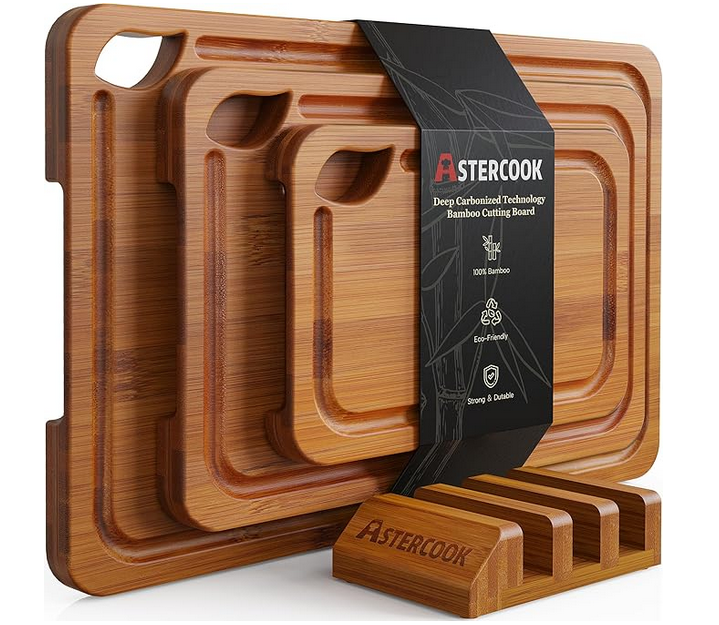
It's 6:47 on a Tuesday. You're staring into the fridge, mentally calculating how many dishes you'll need to wash later. The cutting board comes out. Then the sheet pan. That's it—that's all you're using tonight.
This isn't about shortcuts that compromise flavor. It's about understanding that a hot oven and good ingredients don't need much help. Vegetables caramelize. Proteins brown. Fat renders and creates its own sauce on the pan. Everything happens in one place while you fold laundry or help with homework.
Why This Approach Works
Sheet pan cooking isn't new, but committing to just these two tools changes how you think about dinner. There's no sautéing in stages, no multiple pots simmering. You chop everything on one board, arrange it on one pan, slide it into a 425°F oven, and walk away.
The magic happens through direct heat and proper spacing. When ingredients aren't crowded, moisture evaporates quickly. Sugars concentrate. Edges get crispy while interiors stay tender. A drizzle of olive oil and a sprinkle of salt become a glaze. Lemon juice added at the end tastes bright and intentional.
The Meals
Chicken Thighs with Smashed Potatoes and Broccolini
Bone-in thighs nestle between small potatoes that you've pressed flat with your palm—more surface area means more crispy edges. Broccolini goes on for the last 12 minutes. The chicken fat runs into everything. Finish with flaky salt and a squeeze of lemon.
Sausage and Peppers with Charred Onions
Slice sweet Italian sausages into chunks so they brown on multiple sides. Thick-cut bell peppers and red onion wedges char at the edges while staying slightly sweet in the center. The rendered fat pools and sizzles. Serve over crusty bread or polenta.
Miso Salmon with Snap Peas and Scallions
Brush salmon fillets with a mixture of miso paste thinned with a little water and rice vinegar. Snap peas scattered around the fish get blistered and sweet. Whole scallions char and soften. Everything finishes in 15 minutes. The miso caramelizes into a dark, salty-sweet crust.
Pork Tenderloin with Apples and Fennel
Thin slices of fennel and apple wedges roast alongside a whole tenderloin that you've rubbed with fennel seeds and black pepper. The pork stays juicy. The apples collapse slightly, their edges burnished. Fennel's licorice bite mellows into something buttery.
Sheet Pan Shrimp Fajitas
Toss shrimp, sliced peppers, and onions with cumin, smoked paprika, and lime juice. Everything cooks in about 10 minutes at high heat. The shrimp curl and pink. The vegetables char in spots. Warm tortillas while the oven's still hot by wrapping them in foil and letting them sit on top of the pan for two minutes.
Harissa Chickpeas with Sweet Potatoes
Drain canned chickpeas well—moisture is the enemy of crispiness. Toss them with cubed sweet potatoes, harissa paste, and olive oil. Roast until the chickpeas are crunchy and the sweet potatoes have caramelized edges. Dollop with yogurt and scatter fresh cilantro.
Italian Sausage Meatballs with Cherry Tomatoes
Form loose meatballs from bulk Italian sausage—no binder needed. Nestle them among whole cherry tomatoes and garlic cloves still in their skins. As everything roasts, tomatoes burst and create a chunky sauce. Squeeze the roasted garlic onto bread or stir it into the tomatoes.
Cod with Potatoes and Olives
Thin-sliced potatoes form a base layer. Cod fillets go on top with halved olives, capers, and lemon slices tucked around. The fish steams slightly from the moisture below while the potato edges crisp. The brine from olives and capers seasons everything.
Tandoori-Spiced Cauliflower with Chicken
Coat cauliflower florets and chicken pieces in yogurt mixed with tandoori spices. The yogurt helps everything brown beautifully without drying out. The spices bloom in the oven's heat. Finish with fresh mint and a squeeze of lime.
Kielbasa with Cabbage and Caraway
Thick coins of kielbasa, wedges of green cabbage, and caraway seeds. That's it. The sausage renders its fat. The cabbage edges turn dark and sweet. Caraway adds an earthy, slightly bitter note that cuts through the richness.
Making It Work
Cut everything to similar sizes so cooking times match. Denser vegetables like potatoes or carrots should be smaller than quicker-cooking ones like zucchini. Use parchment paper if you want even easier cleanup, though a bare pan creates better browning.
Don't flip anything unless the recipe suggests it. Let ingredients develop color on one side. That's where the flavor lives.
Store leftovers in the containers they'll be reheated in—no need to dirty another dish.
A Different Kind of Dinner
These meals won't look styled for a magazine. They'll look like dinner—a little messy, deeply browned, with all the good bits stuck to the pan. Run a spatula under everything to get those caramelized spots. They're the best part.