Quick Dinners
Recipe

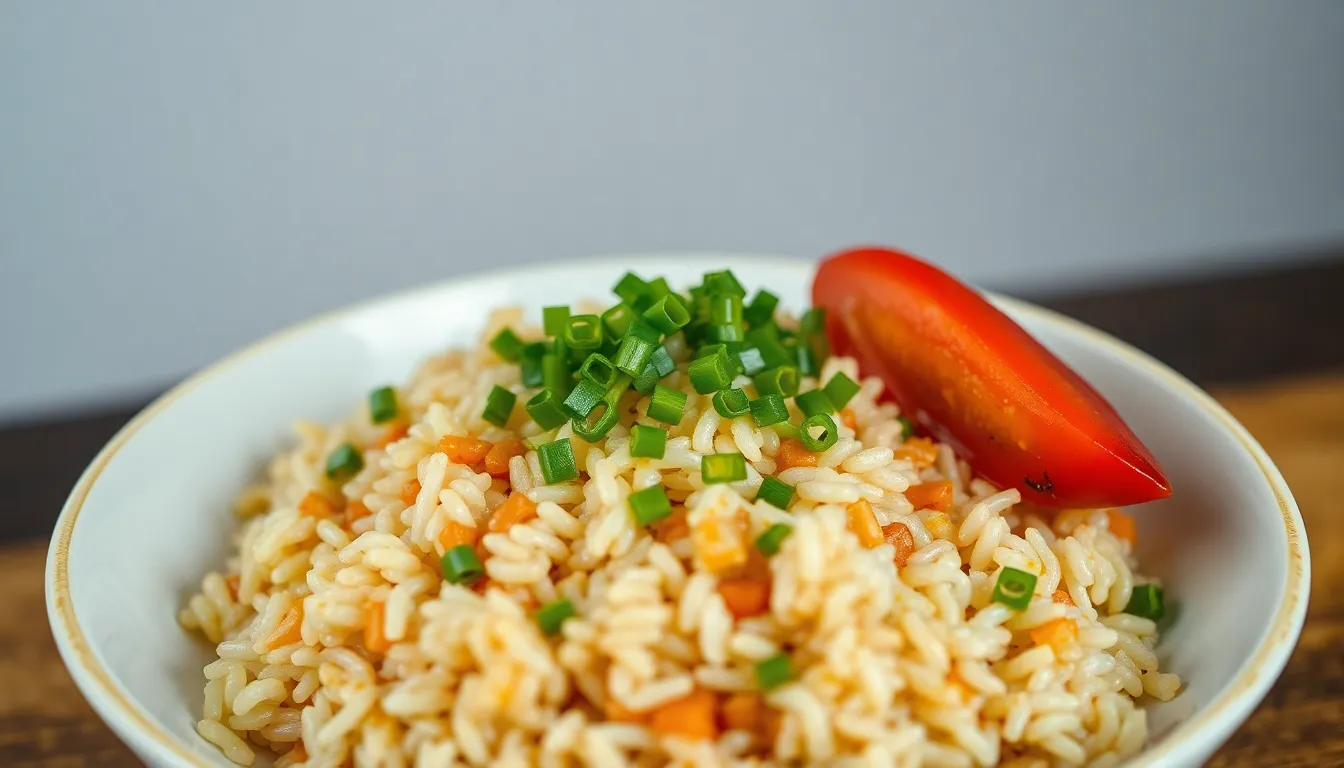
The leftover rice dinner a Korean home cook makes in 8 minutes

Yummy Editorial
Photo: The leftover rice dinner a Korean home cook makes in 8 minutes
Prep

3m

Cook

8m

Total

11m

Servings

2 servings

Ingredients

  • 3 cups cold leftover rice
  • 2 tablespoons neutral oil
  • 2 large eggs
  • 2 tablespoons gochujang (Korean red pepper paste)
  • 1 tablespoon soy sauce
  • 2 teaspoons sesame oil
  • 2 green onions, sliced
  • 1 teaspoon toasted sesame seeds
  • Kimchi for serving (optional)

Instructions

  1. Break up cold rice with your hands to separate clumps into individual grains
  2. Heat neutral oil in a large skillet or wok over high heat until shimmering
  3. Add rice and spread in an even layer, press down slightly, let cook undisturbed for 2 minutes until bottom starts crisping
  4. Push rice to one side, crack eggs into empty space, scramble quickly then mix into rice
  5. Add gochujang and soy sauce, stir-fry for 2-3 minutes until rice grains separate and edges turn golden
  6. Drizzle sesame oil over rice, toss to coat, cook 1 more minute
  7. Remove from heat, fold in green onions, sprinkle with sesame seeds
  8. Serve immediately with kimchi on the side

Introduction

It's 7:30 on a Wednesday night. You're staring at a container of leftover rice in your fridge, wondering if ordering takeout is really worth the wait. My Korean neighbor once showed me what she does instead: grab that cold rice, heat a pan screaming hot, and have dinner on the table before the delivery driver could even find your address. The rice hits the oil with a satisfying sizzle, steam rises mixed with sesame and gochujang, and suddenly you're eating something that tastes like you actually planned dinner.

Why cold rice makes better fried rice

Korean home cooks know something most people don't: day-old rice from the fridge is exactly what you want. Fresh warm rice clumps together, turns gummy when you stir-fry it. But rice that's been chilled? The grains firm up, dry out slightly, separate easily. When they hit hot oil, each grain gets its own chance to crisp and brown. The texture becomes almost nutty, with crispy bits at the edges and a tender chew in the middle.

This isn't about making something fancy. It's about understanding that leftovers sometimes work better than starting from scratch.

The 8-minute process

Getting the rice ready

Take that container of cold rice straight from the fridge. Don't microwave it, don't warm it up. Use your hands to break apart the clumps into individual grains. It feels like you're separating tiny pearls. This takes maybe a minute but makes all the difference between fried rice and rice-flavored mush.

The high-heat moment

Heat your largest skillet until a drop of water dances across the surface. Add neutral oil—something that can handle high heat without smoking. When the oil shimmers, add all the rice at once. Spread it in an even layer, press it down gently with your spatula, then leave it alone. Walk away for two full minutes. You'll hear crackling, smell toasting rice. The bottom layer is forming those golden crispy bits that make fried rice worth eating.

Eggs and seasoning

Push the rice to one side of the pan. Crack two eggs into the empty space and scramble them quickly—they'll cook in about 30 seconds on that hot surface. Mix them through the rice, breaking them into small pieces. Now comes the flavor: gochujang, that brick-red Korean pepper paste with its sweet-spicy depth, and a splash of soy sauce for salt and umami. Stir everything together, keeping the heat high, for another 2-3 minutes. The rice grains should look separate and glossy, with some pieces turning deeper golden at the edges.

The finishing touch

Right at the end, drizzle sesame oil around the edge of the pan. It'll hit the hot surface and release that distinctive nutty aroma that makes everyone in the house appear in the kitchen asking what's for dinner. Toss the rice one more time, fold in sliced green onions, sprinkle with toasted sesame seeds. Done.
What makes it work

Essential kitchen gear for your recipes

Hand-picked tools we recommend for home cooks.

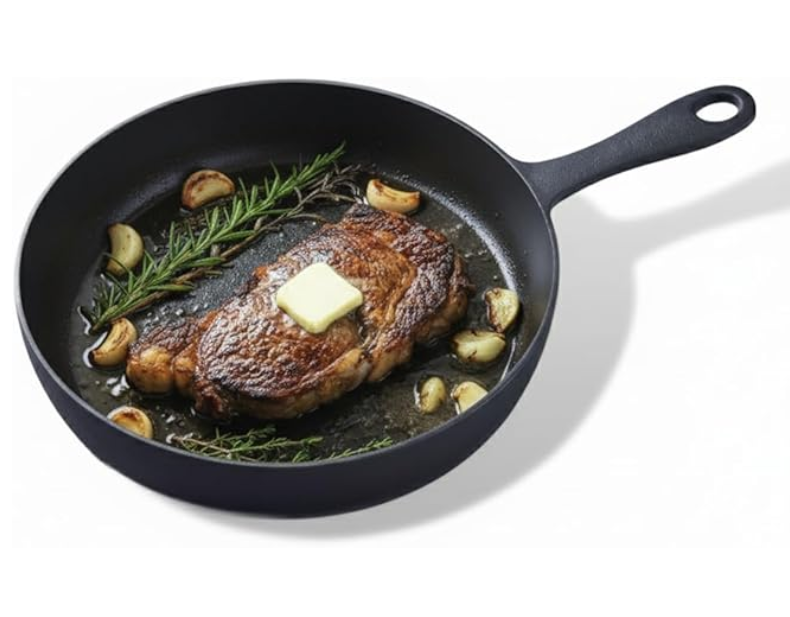
Flambo Skillet, Naturally Non-Stick

Flambo Skillet, Naturally Non-Stick

Pre-seasoned cast iron skillet for searing, baking, and stovetop-to-oven cooking.

Check price on Amazon
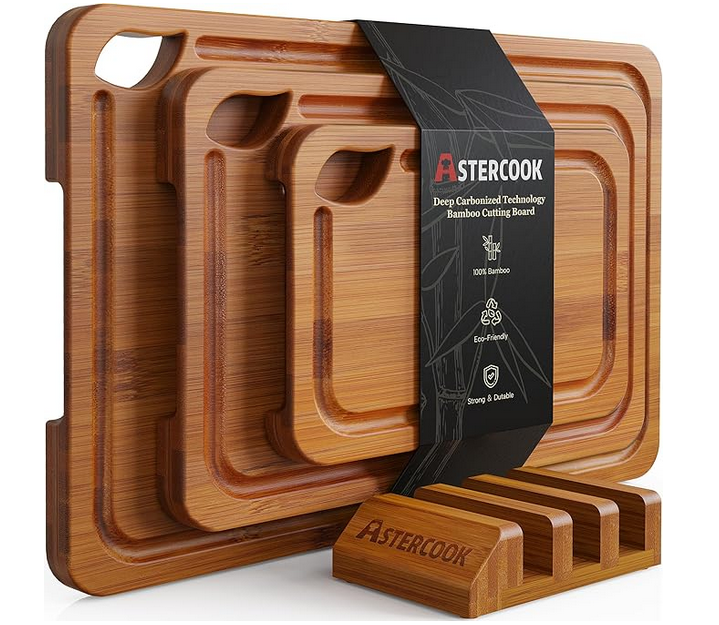
Astercook Reversible Charcuterie Board

Astercook Reversible Charcuterie Board

Deep carbonized wooden cutting board, reversible and knife-friendly for prep and serving.

Check price on Amazon
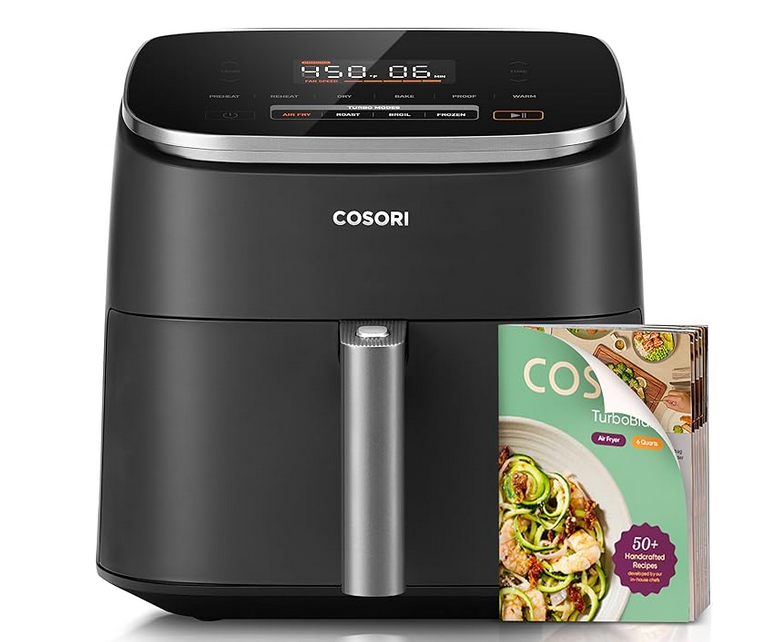
TurboBlaze Premium Ceramic Coating Air Fryer

TurboBlaze Premium Ceramic Coating Air Fryer

Air fryer with ceramic coating, 90°F–450°F range for crispy results with less oil.

Check price on Amazon

The magic is in the contrast: crispy edges, tender centers, the sweet heat from gochujang cutting through the richness of egg and oil. It's not trying to be restaurant fried rice with its dozen ingredients. It's what actually happens in Korean homes when dinner needs to be fast and satisfying.

You can add whatever's around—kimchi stirred in at the end, leftover vegetables, a handful of frozen peas thrown in with the rice. But the basic version, just rice and eggs and those few seasonings, is enough. Sometimes more than enough.

Make it your own

Keep gochujang in your fridge once you buy it—it lasts for months and turns plain rice into something with personality. Don't have sesame oil? The dish loses some of its distinctive aroma, but it's still good. Swap green onions for whatever alliums you have: regular onion sliced thin, garlic chives, even the green parts of leeks.

If you like it spicier, add gochugaru (Korean red pepper flakes) along with the gochujang. For a richer version, fry the rice in butter instead of neutral oil, or use half and half.

The real advantage

This isn't about following a recipe perfectly. It's about knowing that dinner can happen in the time it takes to scroll through delivery apps. The pan gets hot, the rice gets crispy, and you're eating something warm and satisfying while your phone's still loading the checkout page. Cold leftover rice stops being a question mark and becomes exactly what you need.