Introduction
It's 7:30 on a Tuesday night in a small Tokyo apartment. Keiko opens her fridge to find three eggs, half an onion, and a bottle of soy sauce. Ten minutes later, she's sitting at her kitchen table with a bowl of steaming rice topped with silky, savory eggs that smell like comfort itself. This isn't a recipe she learned from a cookbook. It's tamagotoji—the dish her mother made on busy nights, and her grandmother before that.
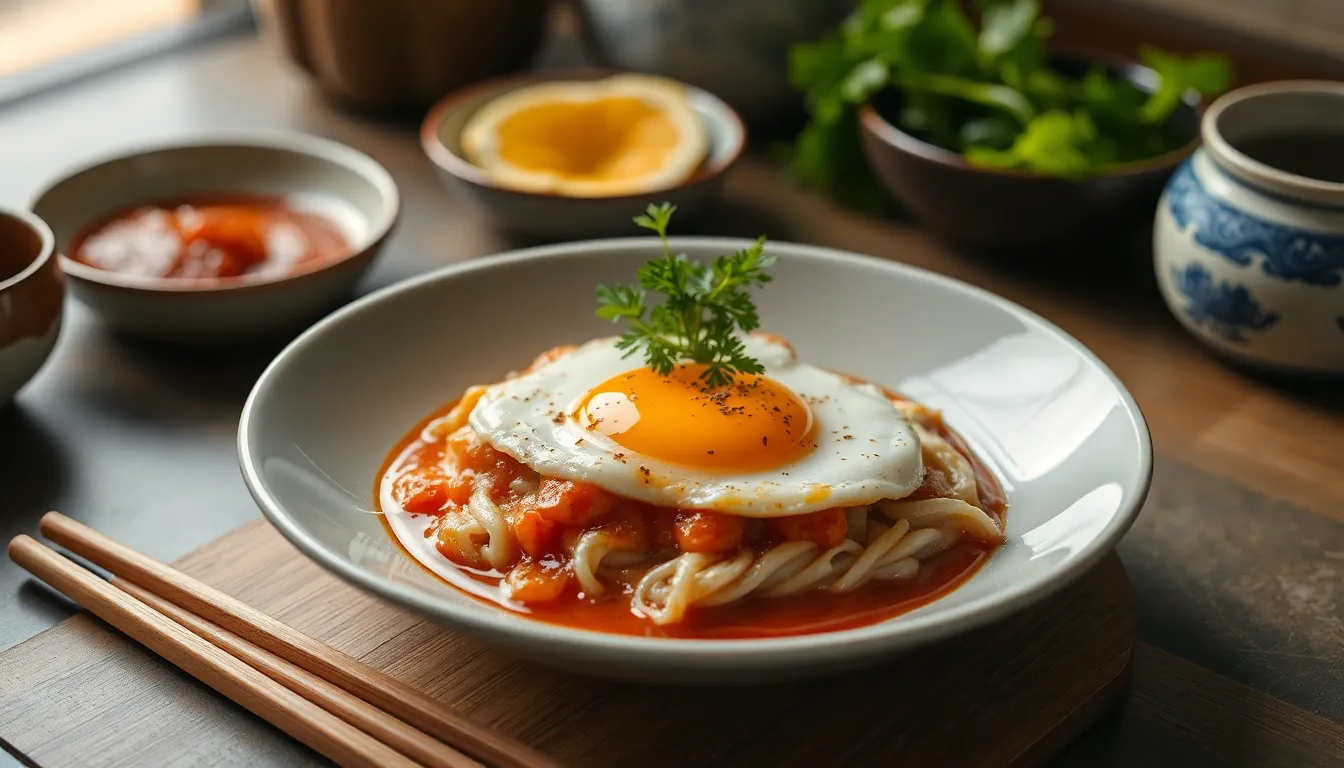
In Japanese home cooking, this egg-over-rice dinner appears several times a week. Not because it's trendy or impressive, but because it works. The eggs cook into soft, custardy ribbons in a sweet-salty broth. The liquid soaks into the rice below. You eat it with a spoon, mixing everything together until each bite tastes like home.
Why this dish endures
Tamagotoji translates roughly to "egg bound" or "egg tied together." The technique shows up across Japanese home cooking—eggs beaten into simmering stock, cooked just until they set into tender clouds. It's the same method used for oyakodon (chicken and egg bowl) or katsudon (pork cutlet bowl), but stripped down to its most essential form.
The genius lives in what it doesn't require. No precise measurements. No special equipment. No shopping trip. Most Japanese pantries already hold dashi powder, soy sauce, and mirin. The eggs bind everything together while staying soft enough to soak into the rice. It's the kind of cooking that happens when you're tired, when the fridge looks empty, when you need something warm in under ten minutes.
The basic technique
Start with the broth
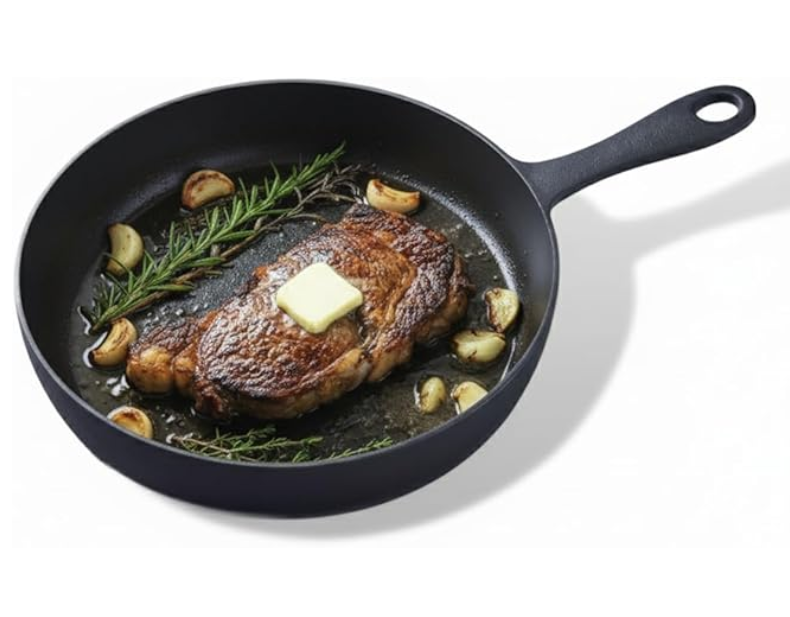
Pour dashi into a small skillet—the wider and shallower, the better. Add soy sauce, mirin, and a pinch of sugar. The liquid should taste slightly too salty and sweet on its own because the eggs and rice will balance it. Bring it to a gentle simmer, not a rolling boil. You'll smell the soy sauce warming, that toasted, almost caramel scent mixing with the oceanic depth of dashi.
Add what you have
Drop in sliced onions. They'll soften and sweeten in the simmering liquid. This is where the dish becomes whatever you need it to be. Leftover mushrooms from last night's stir-fry? Toss them in. A handful of spinach? Perfect. Frozen peas? They'll cook in the residual heat. Some cooks add canned tuna or leftover chicken. The broth welcomes everything.
The egg moment
Beat three eggs in a bowl—just enough to break the yolks, not enough to make them foamy. Pour them over the simmering liquid in a slow circular motion, like you're drawing spirals. Don't stir. Don't touch them. Just cover the pan with a lid and wait. One minute. Maybe two. The eggs will set into soft curds, still glossy and slightly runny on top. They'll continue cooking from residual heat after you turn off the flame.