Kitchen Mistakes
Food News

The garlic mistake almost every home cook makes without realizing it

Yummy Editorial
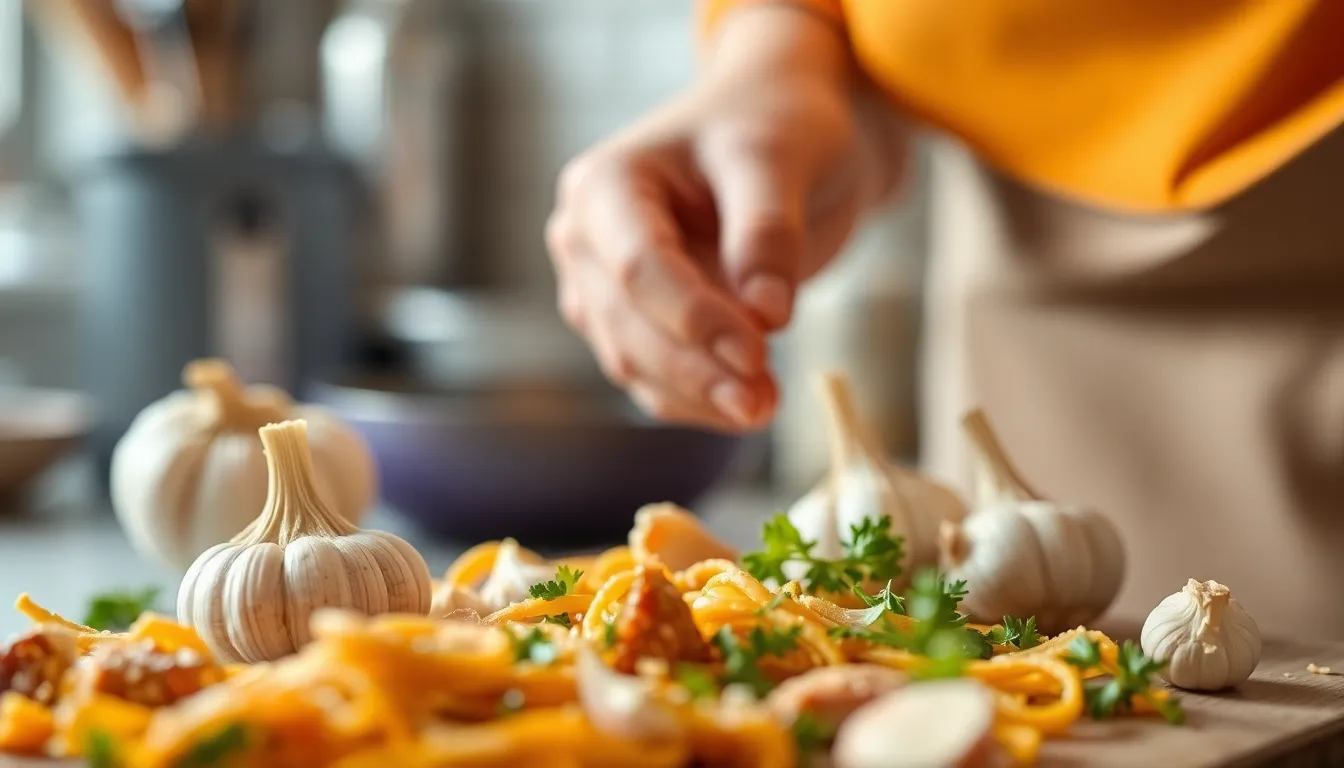
Photo: The garlic mistake almost every home cook makes without realizing it

Introduction

It's Tuesday night, and you're making that pasta dish you've cooked a hundred times. You heat the oil, toss in minced garlic with the onions, and wait for everything to soften. Ten minutes later, there's a strange bitterness threading through the sauce—not terrible, but not quite right either. You add more salt, a pinch of sugar, maybe some extra herbs. Nothing fixes it. The culprit? Those tiny golden garlic pieces that turned brown while you weren't looking.

Most home cooks burn their garlic regularly without realizing it. Not into charcoal, just enough to make it taste sharp and acrid instead of sweet and mellow. It's the single most common mistake that separates restaurant-quality dishes from home cooking that tastes slightly off.

Why garlic burns so easily

Garlic contains significantly less moisture than onions or other aromatics. Those papery cloves are concentrated flavor bombs that cook incredibly fast—we're talking 30 to 45 seconds until fragrant, maybe a minute until golden. Compare that to onions, which need 5 to 7 minutes to soften and sweeten.

When garlic burns, even slightly, it releases bitter compounds that permeate your entire dish. That sweetness you're chasing—the roasted, nutty warmth of properly cooked garlic—disappears completely. Instead, you get an acrid edge that no amount of seasoning can mask. It's particularly noticeable in simple dishes like aglio e olio, garlic butter, or marinara sauce where garlic plays a starring role.

The problem compounds because most recipe instructions are vague. "Sauté onions and garlic until soft" sounds straightforward, but those two ingredients operate on completely different timelines. Follow that instruction literally, and your garlic will be burnt to a crisp by the time your onions are translucent.

The timing fix that changes everything

Add garlic last, or nearly last, among your aromatics. If a recipe calls for onions and garlic, cook the onions for several minutes first. Only when they're almost where you want them—softened, starting to turn golden, whatever the recipe specifies—should the garlic go in.

Give garlic 30 to 45 seconds of cooking time, just until it becomes fragrant and barely starts to turn golden at the edges. Your kitchen should smell amazing, warm and sweet, not sharp. The moment you catch that scent, it's time to add liquid (wine, broth, tomatoes) or move to the next step. The residual heat will continue cooking it gently.

For dishes where garlic is the main event, use medium-low heat instead of medium-high. Yes, it feels slow. That's the point. Garlic needs gentle coaxing, not aggressive heat. Watch it carefully—the window between perfect and burnt is maybe 15 seconds.
How garlic size affects cooking time

Essential kitchen gear for your recipes

Hand-picked tools we recommend for home cooks.

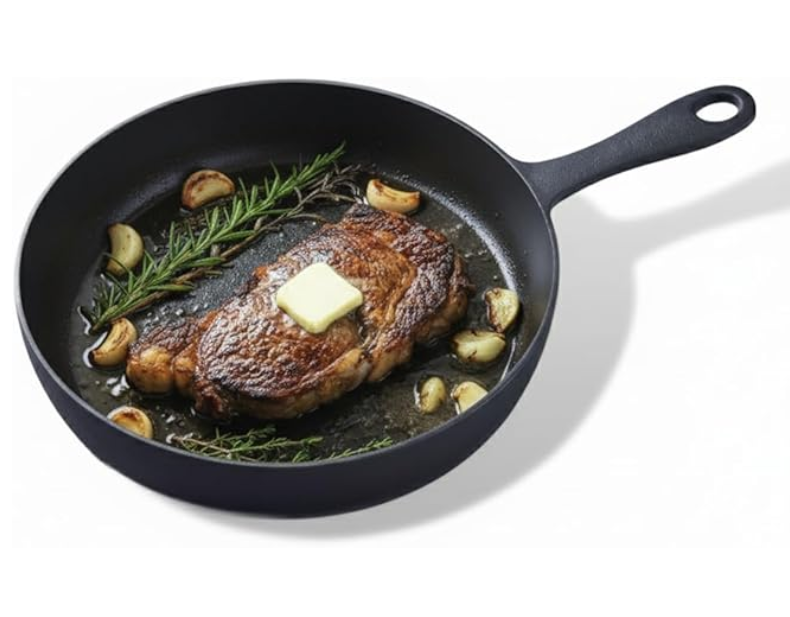
Flambo Skillet, Naturally Non-Stick

Flambo Skillet, Naturally Non-Stick

Pre-seasoned cast iron skillet for searing, baking, and stovetop-to-oven cooking.

Check price on Amazon
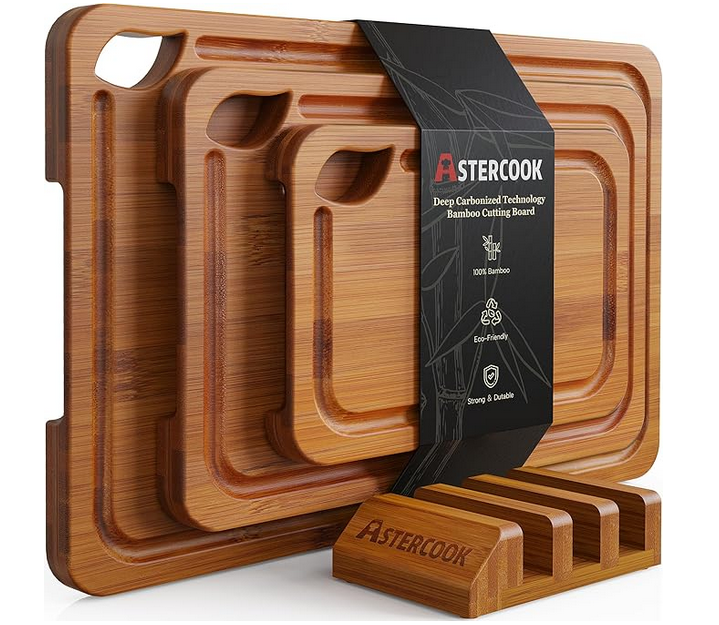
Astercook Reversible Charcuterie Board

Astercook Reversible Charcuterie Board

Deep carbonized wooden cutting board, reversible and knife-friendly for prep and serving.

Check price on Amazon
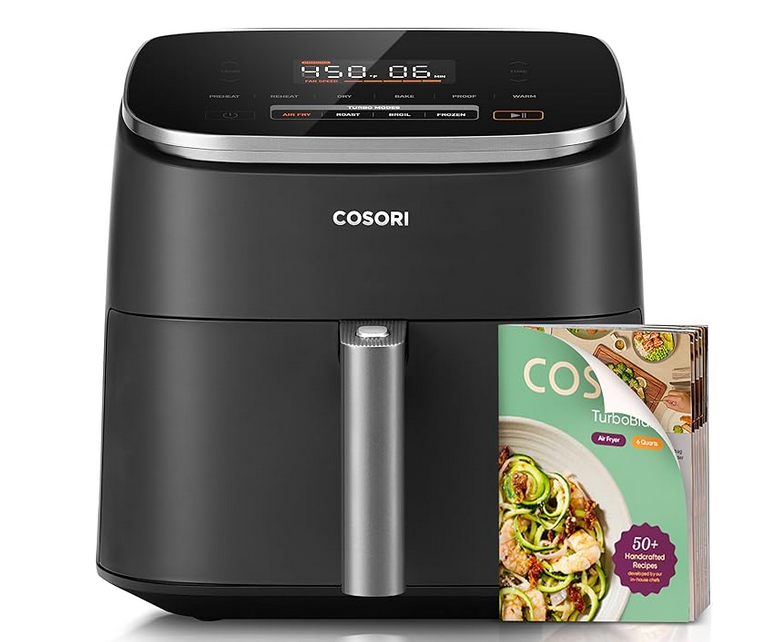
TurboBlaze Premium Ceramic Coating Air Fryer

TurboBlaze Premium Ceramic Coating Air Fryer

Air fryer with ceramic coating, 90°F–450°F range for crispy results with less oil.

Check price on Amazon

Finely minced garlic burns faster than sliced garlic, which burns faster than whole smashed cloves. Those tiny pieces you get from a garlic press? They'll scorch in seconds over high heat. If you want more cooking time and less vigilance, slice your garlic into thin rounds or use the side of your knife to smash whole cloves.

Smashed garlic cloves cook the slowest and most evenly. They infuse oil beautifully for dishes like aglio e olio or garlic confit, giving you a much more forgiving margin of error. You can even remove them before serving if you want the flavor without the texture.

Grated garlic on a microplane sits somewhere between minced and paste—it's incredibly potent and burns almost instantly. Save it for raw applications (dressings, marinades) or add it at the very end of cooking, stirred into a sauce that's already off the heat.

When to break the rules

Some dishes intentionally use darker, more caramelized garlic for deeper flavor. Certain Chinese stir-fries, for instance, want garlic with slightly crispy, golden-brown edges. The difference is control—you're choosing that flavor, watching it carefully, and stopping right before it crosses into burnt territory.

Roasted whole garlic heads are another exception. Low, slow oven heat (around 400°F, wrapped in foil with olive oil) transforms garlic into sweet, spreadable paste over 30 to 40 minutes. The whole clove structure and gentle heat prevent burning while concentrating the sugars.

Quick fixes and recovery

If you do burn your garlic, don't try to salvage it. That bitterness won't cook out—it'll only intensify. Start over with fresh garlic. It feels wasteful, but it's faster than trying to rescue a dish that'll taste off no matter what you do.

Keep a small dish of pre-minced garlic next to your cutting board while you prep everything else. Don't add it to the pan until you're truly ready. This removes the temptation to toss it in early just because it's already prepped.

Conclusion

The next time you're cooking, wait. Let those onions soften completely before the garlic goes anywhere near the pan. Give yourself permission to work slowly, to smell the difference between fragrant and burnt, to notice that narrow window where garlic goes from raw to perfect. Your pasta, your stir-fry, your garlic bread—everything gets better when you stop rushing the one ingredient that can't be rushed.