Kitchen Mistakes
Food News

A food scientist explains why washing raw chicken does more harm than good

Yummy Editorial
Photo: A food scientist explains why washing raw chicken does more harm than good

Introduction

Sunday afternoon, and Maria's pulling a package of chicken thighs from the fridge. Before anything else—before the cutting board, before the seasonings—she carries it straight to the sink. The water runs cold as she rinses each piece, just like her grandmother taught her. Just like she's done for twenty years. The pink-tinged water swirls down the drain, and she feels satisfied knowing her chicken is clean. Except it isn't. And her countertop, her faucet handle, even the dish towel hanging nearby are now contaminated with the very bacteria she was trying to wash away.

Why we think chicken needs washing

The habit runs deep. For generations, home cooks rinsed raw poultry before cooking, believing water would remove slime, blood, or mysterious "germs." It feels logical—we wash produce, we wash our hands, so surely raw meat needs the same treatment. The slick texture of chicken fresh from the package doesn't help. That slightly tacky feeling seems wrong, like something that needs correcting before the real cooking begins.

But food science tells a different story. Dr. Jennifer Quinlan, a food microbiologist at Drexel University, has spent years studying this exact habit. Her research confirms what the USDA has been saying for decades: rinsing raw chicken doesn't make it safer. It makes your kitchen dangerous.

What actually happens when you rinse chicken

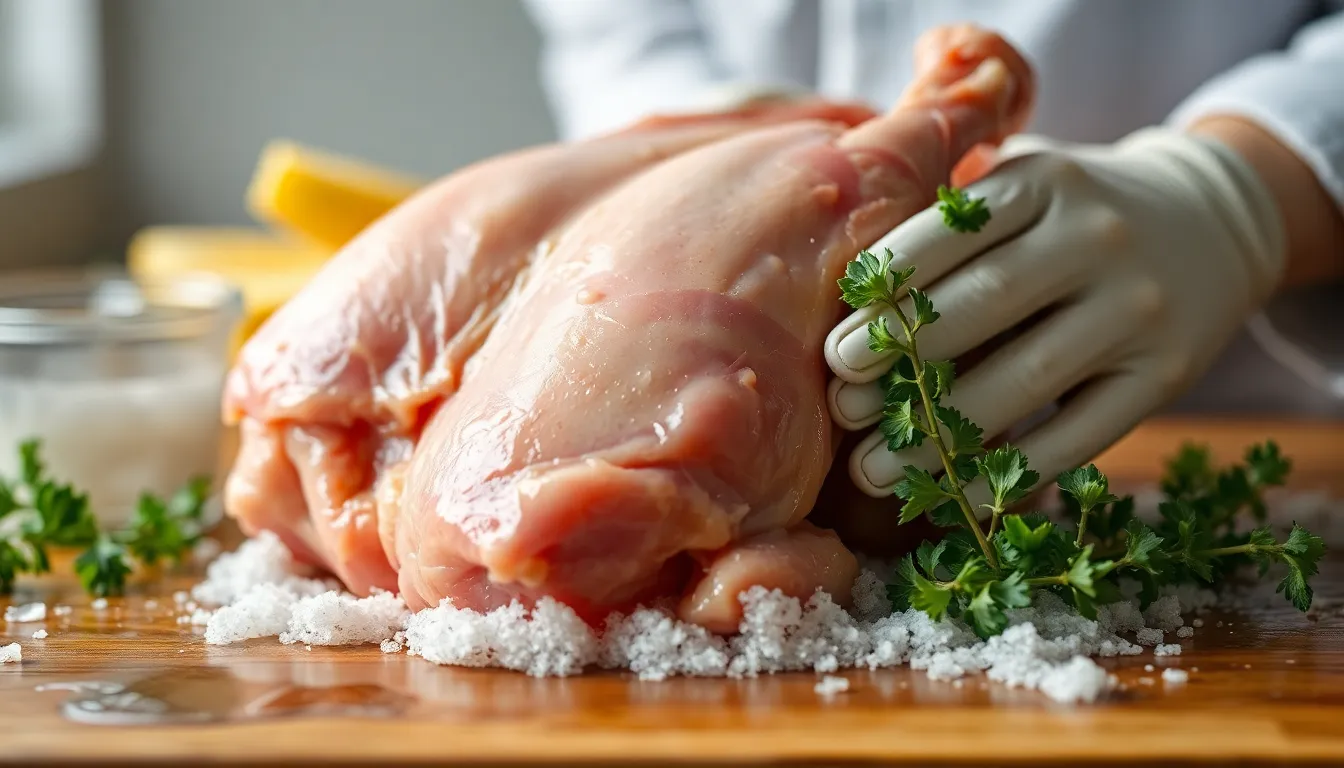
The moment water hits raw poultry, it creates an invisible spray zone. Those harmless-looking droplets carry salmonella and campylobacter—the two bacteria most commonly found on raw chicken—up to three feet in every direction. The splash hits your countertop. It mists onto the hand soap dispenser. It settles on the sponge you'll use to wipe down surfaces later. Even that coffee mug sitting nearby becomes a potential problem.

You can't see it happening. There's no color change, no obvious sign of contamination. But researchers using special tracer dyes have mapped exactly how far these bacteria travel during a simple rinse under the tap. The results look like a crime scene investigation—fluorescent evidence covering far more territory than anyone expects.

The bacteria don't wash off, either. They're not sitting loose on the surface like dust you can rinse away. Salmonella and campylobacter colonize the chicken at a microscopic level, tucked into tiny crevices in the meat. Running water might remove some surface slime, but it won't dislodge the pathogens that matter.
Heat is the only thing that works

Essential kitchen gear for your recipes

Hand-picked tools we recommend for home cooks.

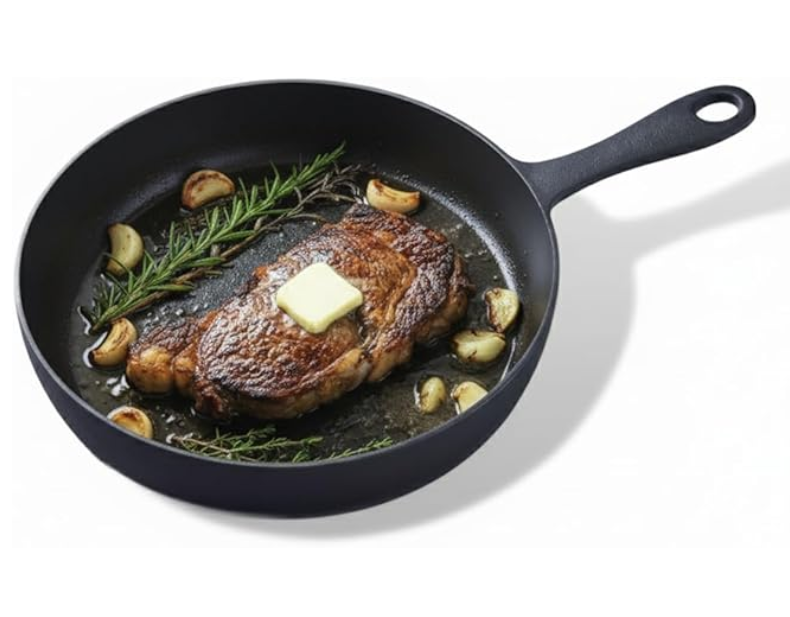
Flambo Skillet, Naturally Non-Stick

Flambo Skillet, Naturally Non-Stick

Pre-seasoned cast iron skillet for searing, baking, and stovetop-to-oven cooking.

Check price on Amazon
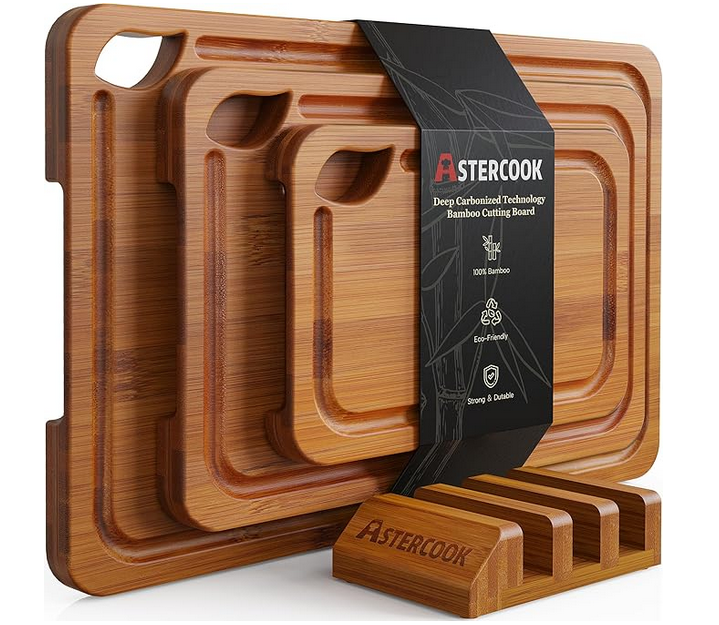
Astercook Reversible Charcuterie Board

Astercook Reversible Charcuterie Board

Deep carbonized wooden cutting board, reversible and knife-friendly for prep and serving.

Check price on Amazon
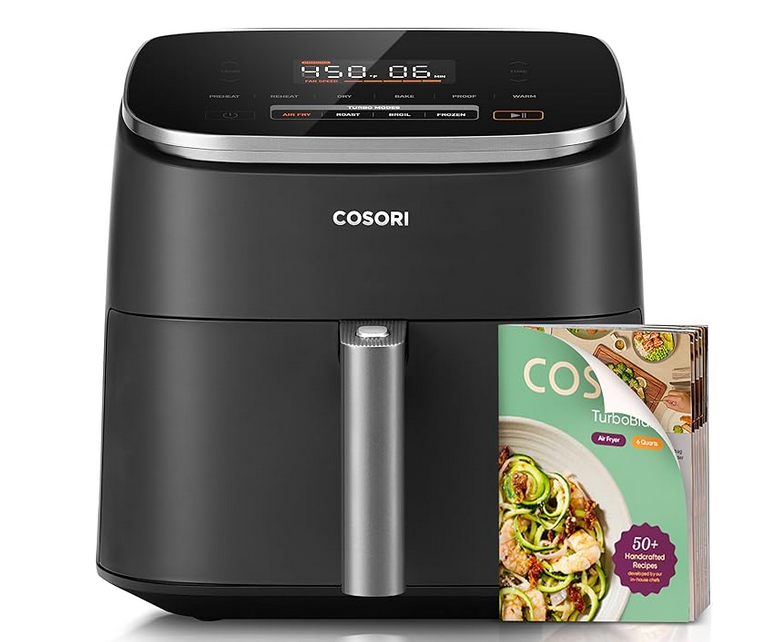
TurboBlaze Premium Ceramic Coating Air Fryer

TurboBlaze Premium Ceramic Coating Air Fryer

Air fryer with ceramic coating, 90°F–450°F range for crispy results with less oil.

Check price on Amazon

There's exactly one reliable way to kill bacteria on raw chicken: cooking it to 165°F. That's it. No amount of rinsing, soaking in lemon juice, or scrubbing will accomplish what fifteen minutes in a hot pan can do. When chicken reaches that internal temperature, salmonella dies. Campylobacter dies. The guesswork disappears.

A meat thermometer costs less than ten dollars and removes every bit of anxiety about undercooked poultry. Slide it into the thickest part of the thigh or breast, wait for the digital readout, and you're done. It's faster than rinsing, cleaner than rinsing, and actually effective.

Modern poultry processing already removes the debris people think they're washing away. Chickens go through multiple rinses and chillers at the processing plant. What you're buying has already been cleaned—not sterilized, because raw meat is never sterile, but processed in ways that remove visible blood and tissue. That slight moisture in the package isn't contamination. It's just the nature of fresh meat.

What to do instead

Skip the sink entirely. Take chicken straight from package to cutting board, using a board you'll wash immediately afterward with hot, soapy water. Pat the pieces dry with paper towels if you want better browning—that step actually helps, unlike rinsing. Throw the towels away. Wash your hands for twenty seconds with soap.

If the raw chicken touches your countertop, clean it with hot water and soap or a diluted bleach solution. Same for any utensils, plates, or surfaces that come in contact with the raw meat. It sounds like more work than a quick rinse, but it's targeted work—cleaning the surfaces that actually got contaminated, not spreading bacteria to places it didn't need to go.

The tough part about changing habits

Telling someone to stop washing chicken feels wrong when it's been family tradition. Food habits carry emotional weight. They're tied to memories of grandmothers' kitchens, to the way things have "always been done." But food science evolves. We know more now about how bacteria spread, how cooking temperatures work, how modern processing has changed.

The good news? You don't have to overhaul your whole routine. Just remove one step. Everything else—the seasoning, the cooking method, the final dish—stays exactly the same. The chicken tastes identical. It's just your kitchen that's cleaner.