Introduction
It's 6:47 PM on a Tuesday. The kitchen counter holds two tired grocery bags, your work bag hasn't made it off your shoulder yet, and someone's already asking what's for dinner. You pull out a box of penne, turn on the tap to fill the biggest pot you own, and wait. Then wait some more for the water to boil. Then drain everything carefully over the sink, losing half the heat in a cloud of steam.
There's a different way—one that skips the giant pot, the waiting, the draining, and somehow makes better-tasting pasta. It's the method restaurant cooks have used forever, and home cooks are finally catching on.
The technique that changes everything
Instead of boiling pasta in gallons of water, you cook it in just enough liquid to cover the noodles—usually 3 to 4 cups for a pound of pasta. Everything goes into a wide skillet or sauté pan at once: raw pasta, cold water or broth, aromatics, even tomatoes or vegetables. The pot goes on high heat, and you stir occasionally while the pasta absorbs the liquid.
What you're left with isn't watery pasta that needs draining. It's perfectly cooked noodles sitting in a small amount of intensely starchy, glossy liquid that clings to every surface. That liquid becomes your sauce base. No colander required. No splashing hot water everywhere. No losing the precious starch that makes sauces actually stick.
Why it works better than the old method
Traditional pasta cooking sends all that starch down the drain. This technique keeps it in the pan, where it belongs. As the pasta releases starch into the small amount of water, it creates a natural emulsifier—the magic ingredient that helps fat and water combine into silky sauce instead of separating into greasy puddles.
The constant contact between pasta and pan also means better flavor absorption. When you add garlic, it perfumes the cooking liquid. When you throw in cherry tomatoes, they burst and blend into the starchy base. The pasta isn't just sitting in boiling water—it's actively cooking in something that's becoming sauce.
Timing-wise, most recipes finish in 15 to 20 minutes from the moment you turn on the burner. That's faster than waiting for a big pot to boil, then cooking, then draining.
What works best in the pan
Short pasta shapes shine with this method. Penne, rigatoni, fusilli, and orecchiette all cook evenly because they're surrounded by liquid on all sides. Long pasta like spaghetti works too, but you'll need to push it down as it softens, which adds a step.
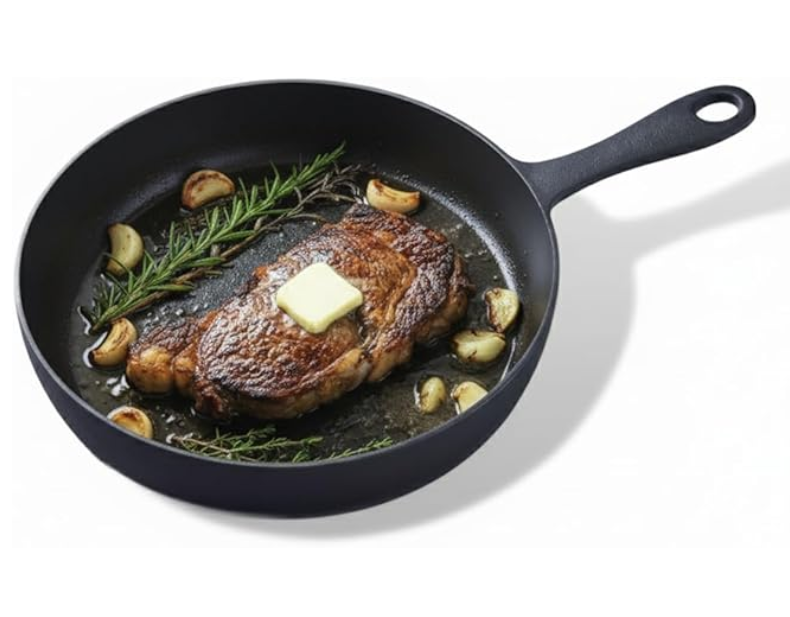
Use a pan that's at least 12 inches wide with a lid. The wider surface area helps liquid evaporate at the right pace. If your pan's too small and deep, you'll end up with soupy pasta. Too wide and shallow, the liquid disappears before the pasta softens.
Start with cold liquid—it gives you more control. Hot stock or water can make the pasta cook unevenly before you've stirred everything together. Add just enough liquid to barely cover the pasta when you shake the pan level.
How to adjust as you cook
The first few times, it feels wrong. You'll want to add more water. Resist. The pasta will look crowded and dry for the first five minutes, then suddenly everything loosens as starch releases.
If the pasta's still firm and the liquid's gone, add a quarter cup of hot water at a time. If there's too much liquid when the pasta's done, crank the heat and let it reduce for a minute while stirring. The consistency you want looks like a light coating of sauce, not a pool.
Finish with fat—olive oil, butter, or grated cheese. The starchy liquid helps emulsify it into a glossy coating instead of leaving slicks on the surface. Fresh herbs, lemon zest, or a handful of greens can go in during the last minute of cooking.
The weeknight advantage
One pan means one thing to wash. No colander dripping in the sink. No giant pot taking up half the drying rack. When you're making a simple garlic and oil situation, or tossing in whatever vegetables need using, this streamlined approach makes sense.
It also means you can walk away less. With traditional boiling, the pot demands attention—watching for the boil, setting a timer, coordinating the drain. This method wants an occasional stir but doesn't require constant hovering. You can unpack those grocery bags, pour a glass of something, and actually breathe for a second.
Conclusion
The best cooking methods aren't always the ones we learned first. Sometimes they're the small adjustments that shave off ten minutes and half the cleanup while producing something that tastes better. That counts as a win, especially on a weeknight when 6:47 feels like midnight.