Introduction
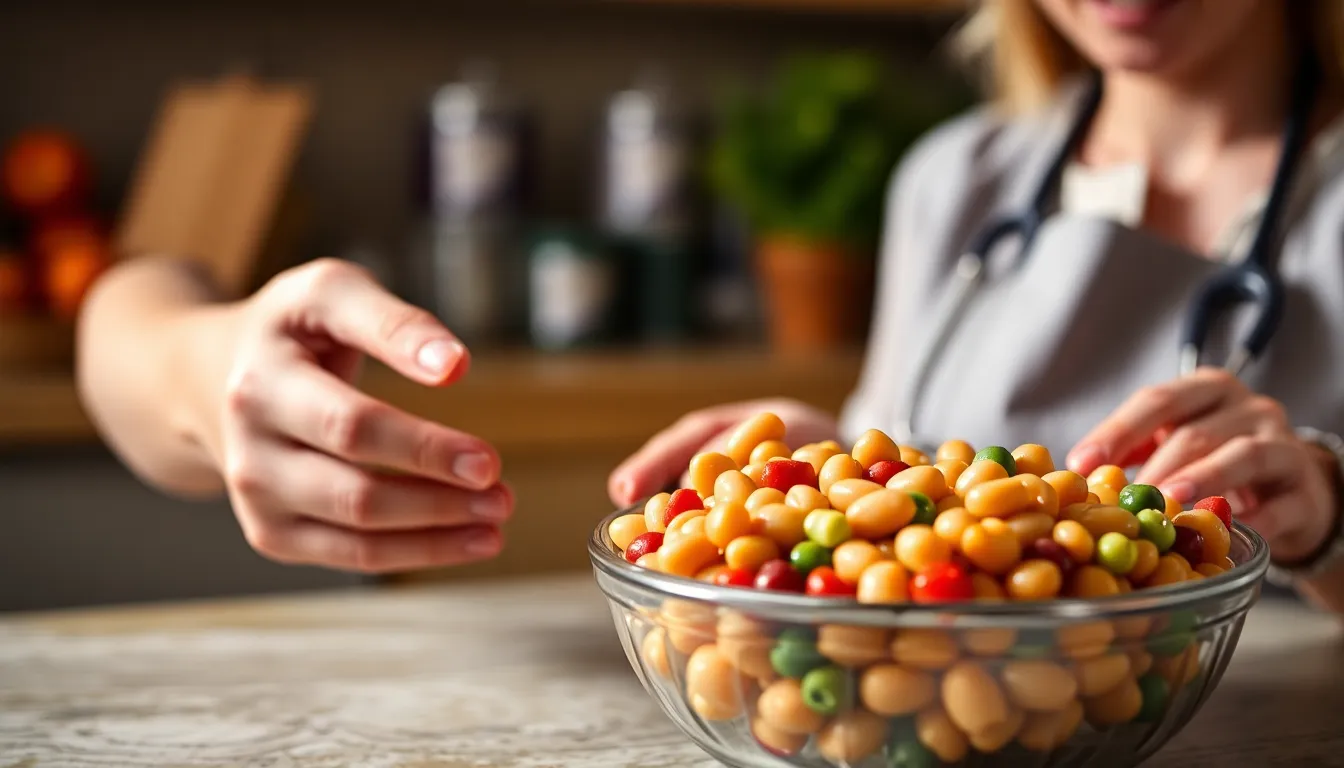
You're standing at the counter with a can of black beans, dinner half-started, and that familiar question hits: should I rinse these or just dump them straight into the pot? The thick, cloudy liquid clings to the beans as you pop the lid, and for a split second, you wonder if you're overthinking something so small. Turns out, that murky stuff swirling around your chickpeas isn't just harmless bean juice—and what you do with it can actually change your meal in ways you might not expect.
Why that liquid deserves a closer look
The viscous liquid in canned beans—officially called aquafaba—contains more than water. It's loaded with dissolved starches, proteins, salt, and oligosaccharides (complex sugars that our bodies struggle to break down). While some recipes celebrate aquafaba as a vegan egg substitute, keeping it around for your weeknight chili or grain bowl introduces extra sodium you probably didn't account for. Most canned beans pack 300–400 milligrams of sodium per half-cup serving, and a significant chunk of that lives in the liquid, not the beans themselves.
Nutritionally speaking, rinsing matters. Studies show that a quick rinse under cold water can slash sodium content by 36–41%, depending on the brand and bean variety. For anyone watching their salt intake—or just trying to control the seasoning in their dish—that's the difference between a balanced meal and something that tastes like it came straight from the ocean.
What happens when you skip the rinse
Beyond the salt, there's the digestive factor. Those oligosaccharides cause gas and bloating for many people, and they're concentrated in the canning liquid. If you've ever felt uncomfortably full after a bean-heavy meal, this might be why. Rinsing removes a good portion of these compounds, making beans gentler on your stomach without losing the fiber and protein that make them nutritious in the first place.
The texture changes, too. Unrinsed beans come with a starchy, slightly slimy coating that can make dishes feel heavier or muddier than intended. In a fresh salad or grain bowl, that coating dulls the brightness of other ingredients. Even in soups or stews where you want body, starting with rinsed beans gives you more control—you can always add your own stock or starch to thicken things exactly how you want.