Introduction
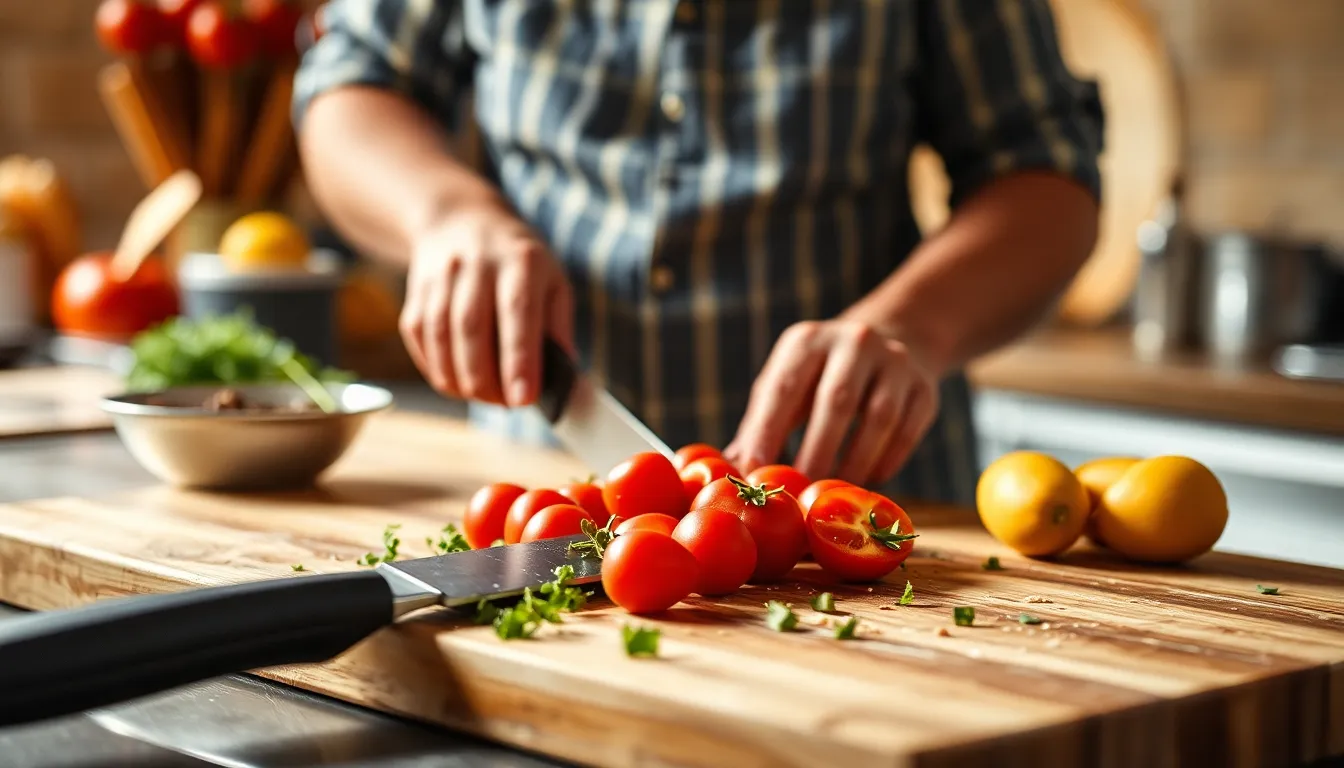
It's Tuesday night, and you're prepping chicken thighs for dinner. You rinse the board, give it a quick wipe, flip it over, and start slicing tomatoes for a salad. The chicken's in the pan, everything seems fine. But according to food safety microbiologist Dr. Elena Martinez, what just happened in those 30 seconds is one of the most common—and risky—mistakes happening in kitchens right now.
"People think a quick rinse is enough," she tells me over the phone from her lab at Cornell University. "But bacteria don't work that way."
The invisible problem with your cutting board routine
Most of us own one, maybe two cutting boards. We use them for everything: raw chicken on Monday, breakfast bagels on Tuesday, dinner prep Wednesday through Sunday. It feels efficient. It saves dishwasher space.
The issue isn't laziness—it's biology. When raw meat touches a cutting surface, bacteria like Salmonella and Campylobacter settle into microscopic grooves left by your knife. A quick rinse doesn't reach them. Even soap and water won't eliminate everything if you're immediately using that same board for foods you won't cook.
Dr. Martinez has seen the consequences firsthand. "We trace foodborne illness outbreaks back to home kitchens more often than people realize," she says. "And the cutting board is almost always part of the story."
Why one board isn't enough
The professional kitchen standard is simple: separate boards for separate tasks. Raw meat gets one. Vegetables and ready-to-eat foods get another. Some kitchens use four or five, color-coded by category.
"Think about the flow of your meal," Dr. Martinez suggests. "If you're making chicken tacos, that raw poultry touches the board first. Then you need to chop cilantro, slice avocado, dice onions—all foods that go straight into your mouth. That's where the danger lives."
The science backs this up. A 2023 study from the Journal of Food Protection found that cross-contamination happened in 73% of home cooking scenarios where a single board was used for multiple ingredients. Kitchens using dedicated boards saw that number drop to under 15%.
It's not about being paranoid. It's about understanding that bacteria spread faster than you can rinse.
What actually works
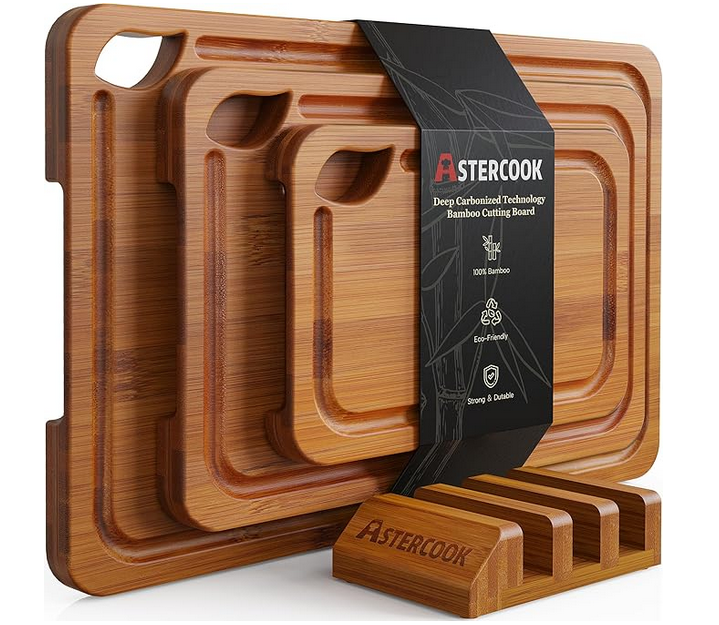
Here's the practical approach Dr. Martinez recommends: own at least two cutting boards. One handles raw meat, poultry, and seafood exclusively. The other is for everything else—produce, bread, cheese, cooked foods.
Material matters too. Plastic boards can go through the dishwasher at high heat, which kills bacteria more effectively than handwashing. Wood boards have natural antimicrobial properties, but they require more careful maintenance. Either works, as long as you're consistent about which board touches what.
"I keep a red-handled plastic board for raw protein and a wooden board for vegetables," she explains. "The color coding becomes automatic after a week. You stop thinking about it."
Between uses, wash boards with hot soapy water immediately after raw meat contact. Once a week, sanitize with a diluted bleach solution—one tablespoon of unscented bleach per gallon of water. Let it sit for two minutes, then rinse thoroughly.
Replace boards when they're heavily scarred. Those deep knife grooves become permanent bacteria hotels that no amount of scrubbing can fix.