Kitchen Mistakes
Food News

The common spice storage mistake that makes your spices lose flavor quickly

Yummy Editorial
Photo: The common spice storage mistake that makes your spices lose flavor quickly

Introduction

You're halfway through making butter chicken when you realize the cumin smells like cardboard. The paprika that used to be vibrant and sweet now tastes like dust. You shake more into the pan, then more, trying to coax out flavor that just isn't there anymore. It's not the brand's fault, and your spices aren't actually that old—you bought that cumin maybe eight months ago. The real culprit? That convenient little spice rack mounted right above your stove.

Why location destroys spice flavor

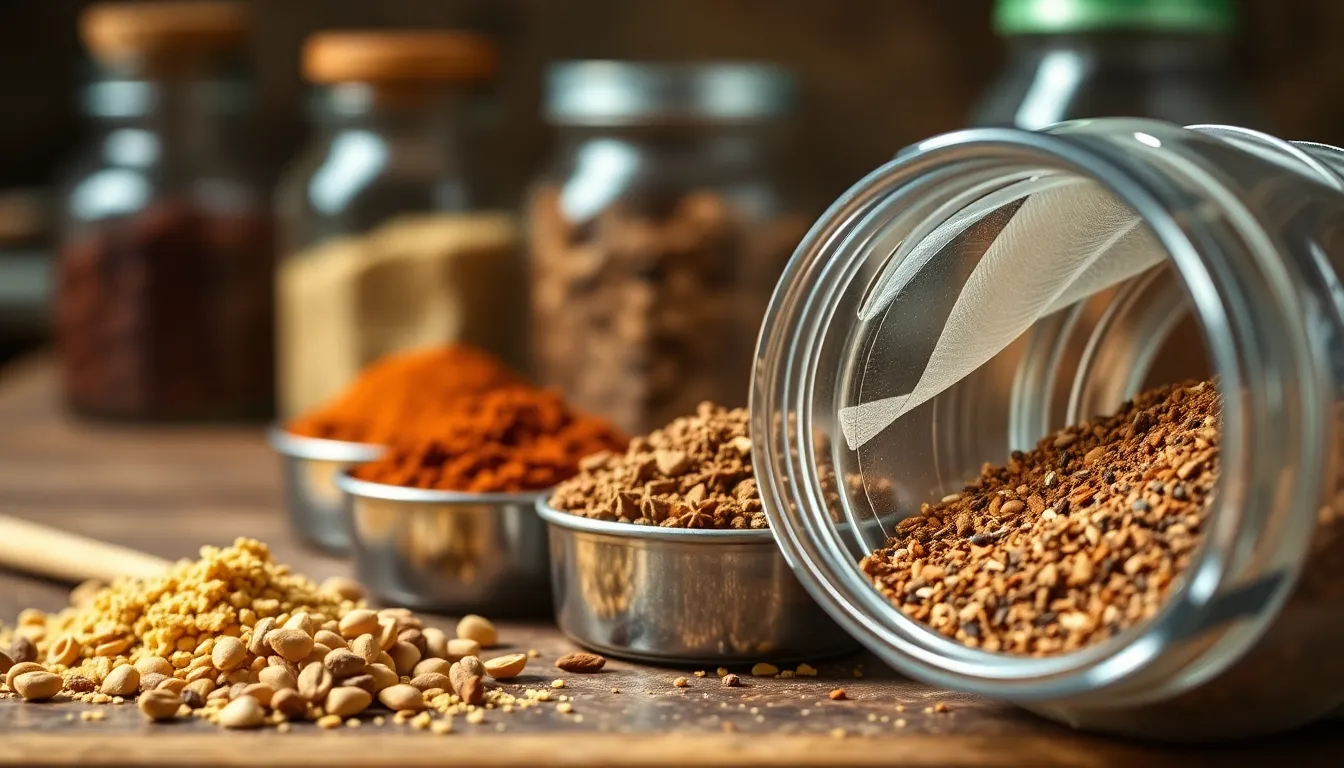
Spices are essentially concentrated packages of volatile oils and aromatic compounds. These oils give turmeric its earthiness, cinnamon its warmth, and cardamom its floral bite. But here's the thing: those same oils are incredibly fragile. Heat makes them evaporate. Moisture causes them to clump and oxidize. Light breaks down their chemical structure.

Every time you boil pasta or sear a steak, heat rises directly into those cute little jars arranged above your cooktop. The temperature fluctuates wildly—from cool to warm to hot and back again. Steam from simmering sauces settles on the lids. Even if you don't consciously notice it, your spices are essentially sitting in a sauna, slowly losing everything that makes them worth using.

Ground spices are particularly vulnerable. Unlike whole spices (which have protective outer layers), ground versions expose maximum surface area to air and heat. That paprika loses its sweetness within weeks when stored poorly. Cumin develops a stale, almost rancid note. Cinnamon goes flat and lifeless.

The heat factor

Professional chefs don't keep spices near heat sources, and there's a reason. Studies on spice degradation show that temperatures above 70°F accelerate the breakdown of essential oils. Your stovetop area regularly hits 80-90°F or higher, even when you're not actively cooking.

Think about opening a jar of curry powder that's been stored in a cool pantry versus one that's lived above the stove. The pantry version hits you with that complex, warm, slightly sweet aroma. The stove version? Muted, dusty, requiring twice as much to achieve half the flavor.

Light and air exposure

Clear glass jars look beautiful lined up on open shelving or hanging racks, but they're doing your spices no favors. Light—especially direct sunlight—bleaches out color and destroys flavor compounds. That's why quality spice companies use opaque containers or dark glass.

Air exposure is equally damaging. Every time you unscrew a lid, oxygen rushes in and begins oxidizing the contents. Spices stored in those magnetic tins with flip tops or in containers that don't seal tightly lose potency faster than those in airtight jars with tight-fitting lids.
Where spices actually belong

Essential kitchen gear for your recipes

Hand-picked tools we recommend for home cooks.

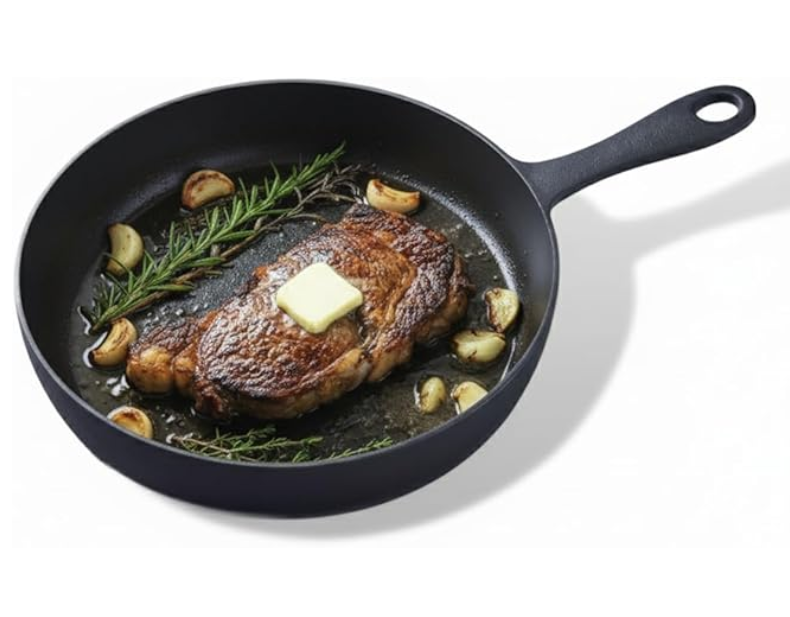
Flambo Skillet, Naturally Non-Stick

Flambo Skillet, Naturally Non-Stick

Pre-seasoned cast iron skillet for searing, baking, and stovetop-to-oven cooking.

Check price on Amazon
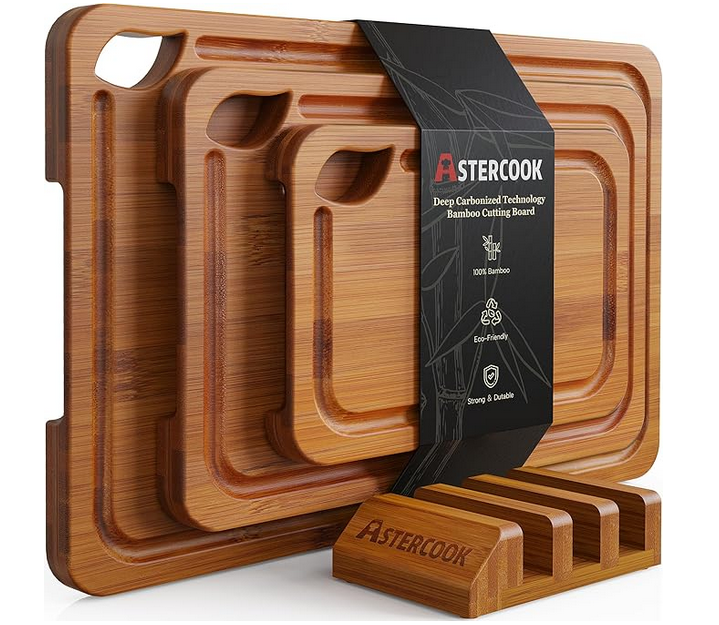
Astercook Reversible Charcuterie Board

Astercook Reversible Charcuterie Board

Deep carbonized wooden cutting board, reversible and knife-friendly for prep and serving.

Check price on Amazon
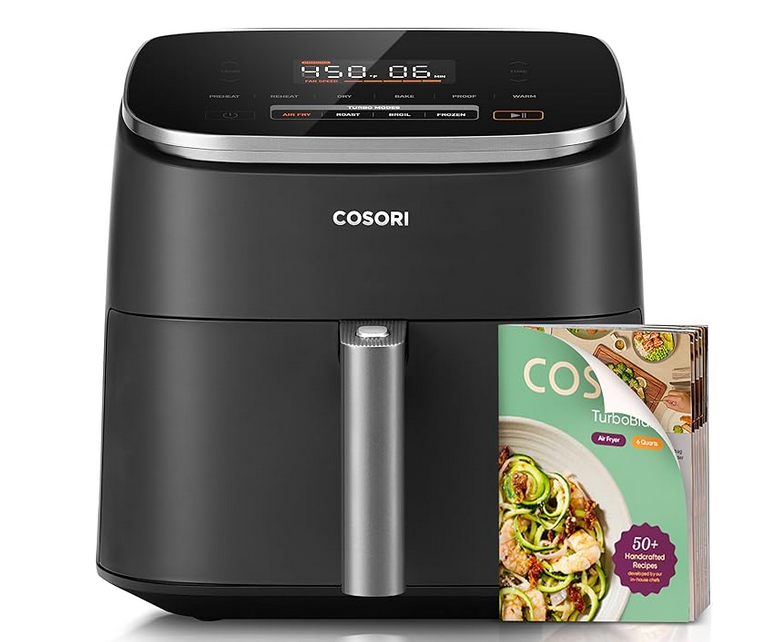
TurboBlaze Premium Ceramic Coating Air Fryer

TurboBlaze Premium Ceramic Coating Air Fryer

Air fryer with ceramic coating, 90°F–450°F range for crispy results with less oil.

Check price on Amazon

The ideal spice storage spot is cool, dark, and dry. A drawer near your prep area works perfectly. A cabinet away from the stove—not adjacent to it, actually away from it—is ideal. Some people use a dedicated pantry shelf at eye level, keeping spices in opaque containers or inside a closed cabinet door.

Temperature stability matters more than you'd think. A spot that stays consistently between 60-70°F preserves spice potency far longer than one that swings between 65°F and 85°F throughout the day.

Signs your spices have gone bad

Crush a small amount between your fingers and smell. Fresh cumin should be intensely earthy and warm. Fresh oregano should smell like concentrated summer. If you're getting mostly dust and a faint echo of what the spice should smell like, it's done.

Color also tells a story. Paprika should be vivid red, not brick-brown. Turmeric should be sunset yellow, not pale tan. Faded color means faded flavor.

Simple fixes

Move your everyday spices to a drawer or cabinet within arm's reach of your prep space. Keep only the spices you use multiple times per week—the supporting cast can live in a cooler storage area.

Buy smaller quantities. It's better to replace a 2-ounce jar of cardamom every six months than to keep a 6-ounce jar for two years.

Consider whole spices for frequently used items. Whole cumin seeds, black peppercorns, and cinnamon sticks last years longer than their ground versions. A small spice grinder or mortar and pestle takes thirty seconds to use and completely changes the flavor level of your cooking.

Write purchase dates on jar bottoms with a marker. Ground spices peak within six months; whole spices within two years.

The difference you'll taste

Once you move your spices away from heat and light, you'll notice dishes becoming more vibrant without adding more salt or ingredients. That tikka masala suddenly tastes restaurant-quality. Your morning oatmeal with cinnamon actually tastes like cinnamon. It's not about buying expensive specialty spices—it's about treating the ones you have with a bit more respect. Your stove is for cooking, not for slowly destroying the very ingredients that make your food worth eating.