Introduction
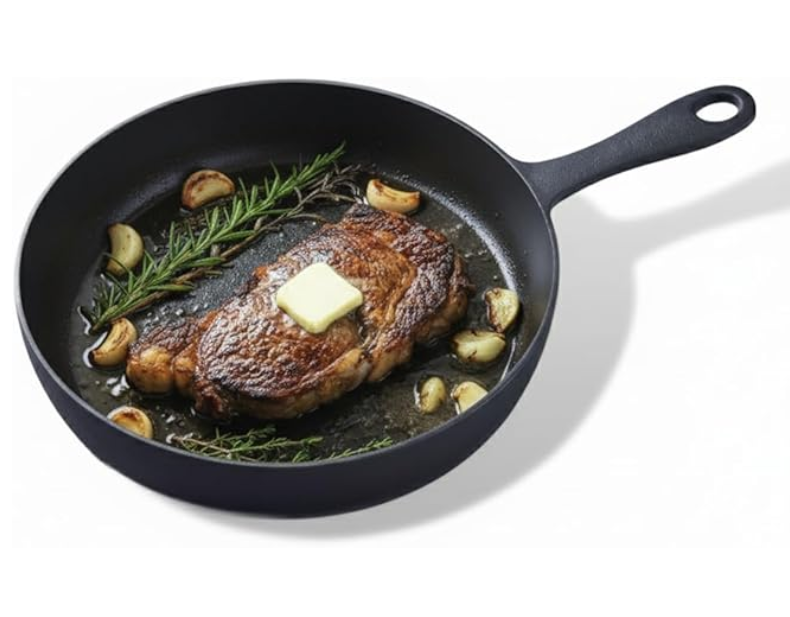
You rinse your cast iron skillet after breakfast, set it in the sink while you grab your coffee, and promise yourself you'll dry it in just a minute. Thirty minutes later—or maybe an hour—you remember it's still sitting there, slightly damp. It looks fine. No visible rust. The seasoning still appears dark and glossy. So you dry it quickly with a towel and put it away, thinking nothing of it.
This exact scenario is silently destroying cast iron pans in kitchens everywhere. Not dramatically, not all at once, but gradually—in ways you won't notice until your once-reliable skillet starts sticking or develops those telltale rust spots months later.
Why wet cast iron is more vulnerable than it seems
Cast iron's seasoning is essentially polymerized oil bonded to the metal through heat. It creates that coveted non-stick surface and protects the iron underneath. But this layer is microscopically porous. When water sits on the surface—even for short periods—it finds its way into those tiny gaps.
The iron beneath begins oxidizing almost immediately. You won't see orange rust right away. Instead, microscopic rust forms underneath the seasoning layer, weakening its bond to the pan. Over weeks and months of "just a quick soak" or "I'll dry it later" moments, the seasoning loses its grip. Food starts sticking in random spots. The surface becomes patchy. You assume the pan needs re-seasoning, but the real damage happened during all those innocent minutes in the sink.
The sneaky ways water exposure happens
The obvious culprit is leaving a wet pan in the sink. But seasoning damage occurs in subtler ways too. Stacking a damp cast iron skillet with other dishes traps moisture against the surface. Storing it while still slightly warm creates condensation inside cabinets. Even washing the pan thoroughly with water and soap, then drying it with a damp dish towel, leaves enough moisture to start the oxidation process.
Some cooks believe a quick rinse won't hurt. They splash hot water in the pan, wipe it out, and consider it clean. But unless that pan goes immediately onto a hot burner or gets bone-dry with a completely dry towel, moisture lingers. The seasoning doesn't fail after one instance—it fails after dozens.
What proper drying actually means
Drying cast iron properly requires more intention than most cookware. After washing, the pan should be dried with a clean, completely dry towel until no water remains anywhere—including the handle and underside. Then it goes on the stove over medium heat for two to three minutes. You'll see any remaining moisture evaporate as tiny wisps of steam. The pan should feel hot to the touch before you remove it.
This heat step isn't optional fussiness. It's the difference between a pan that maintains its seasoning for years and one that mysteriously degrades despite "careful" use. The heat drives out water molecules trapped in those microscopic pores, preventing rust from forming where you can't see it.
The repair process when damage is done
If your cast iron already shows signs of this slow deterioration—sticky patches, dull spots, minor surface rust—you can reverse it. Scrub the affected areas with coarse salt and a small amount of oil, working in circles until the surface feels smooth. Rinse if needed, then immediately dry and heat the pan. Apply a thin layer of oil while it's still warm, wipe away the excess, and let it cool.
For more severe damage, a full re-seasoning becomes necessary. Strip the old seasoning completely, dry thoroughly, then build new layers by heating thin coats of oil at high temperatures. It's time-consuming but effective. The key is committing to better drying habits afterward, or the cycle repeats.
Building better habits without overthinking
Cast iron care doesn't need to be precious or complicated. It just needs consistency. Wash the pan when you're ready to dry it immediately—not before you eat dinner or start another task. Keep one towel designated for cast iron so you're never grabbing a damp one. Make the stovetop drying step part of your cleaning routine, like rinsing soap off a plate.
If you cook with cast iron daily, these extra thirty seconds become automatic. The pan stays reliably non-stick. The seasoning deepens instead of degrading. And you avoid that frustrating moment when your favorite skillet mysteriously stops working the way it used to—all because of something as simple as water and time.
Conclusion
Your grandmother's cast iron lasted decades not because she had special pans, but because she never let them sit wet. That's the real secret. Not fancy oils, not obsessive seasoning rituals—just immediate, thorough drying every single time. Fix this one habit, and your cast iron will outlast you.