Introduction
The fluorescent lights hum overhead as you stand in front of the meat case, one hand on your cart, eyes scanning rows of plastic-wrapped steaks. They all look roughly the same—pink, marbled, labeled with prices that make you wince a little. You grab two that seem decent, toss them in your cart, and move on. It's Wednesday, and you've done this exact thing dozens of times before.
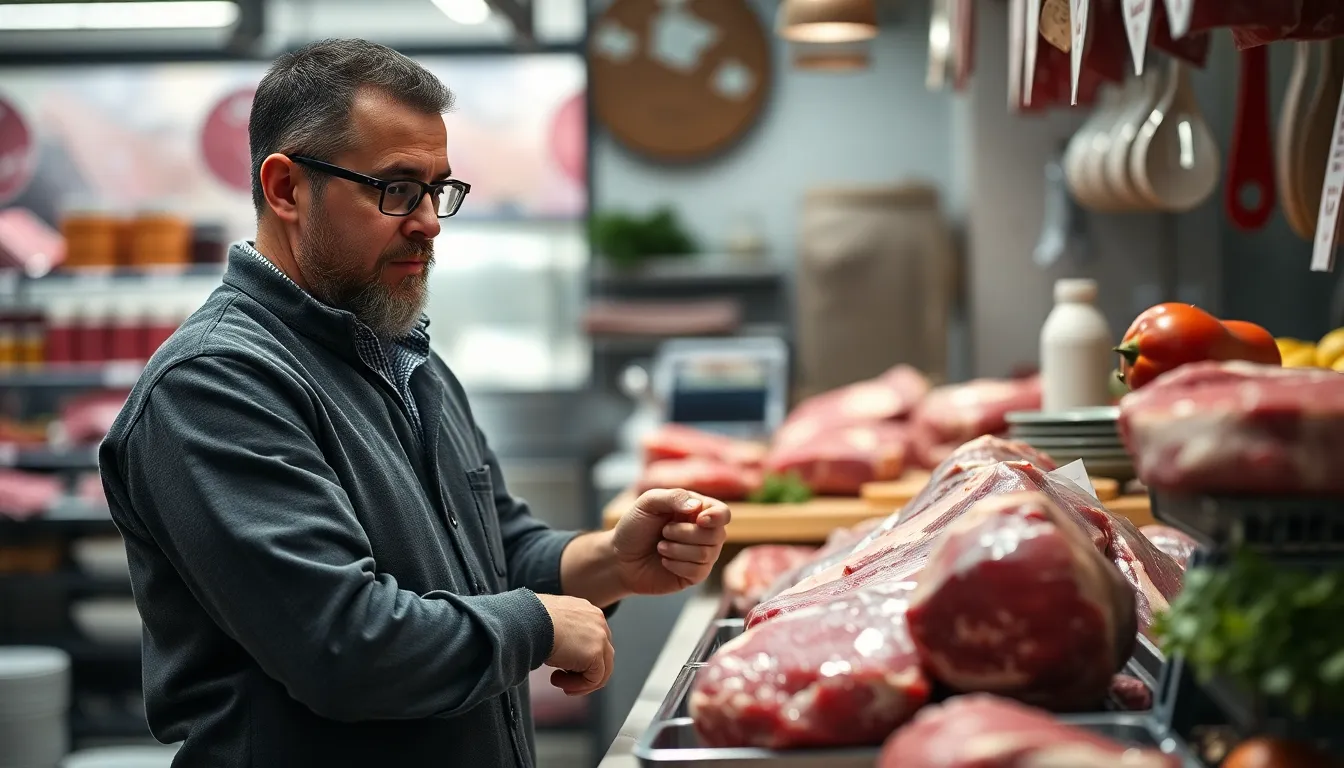
But according to Marcus Chen, a third-generation butcher who's spent 22 years behind the counter at a family-owned shop in Chicago, that quick grab-and-go habit is costing you serious money. And it's not just about price per pound.
The mistake almost everyone makes
"People buy with their eyes, not their knowledge," Marcus says, wiping down his cutting board between customers. "They see a steak that looks good through plastic wrap and assume it's the right choice. But they're not checking thickness, they're not looking at the actual marbling pattern, and they're definitely not asking questions."
The real issue? You're paying for convenience you don't need, and you're getting less meat than you think. Those pre-cut, pre-packaged steaks in the case are convenient, sure. But they're also marked up significantly—sometimes 30 to 40 percent more than buying a whole cut and asking the butcher to portion it for you.
"When I see someone grab four pre-cut chicken breasts in a tray, I know they're overpaying," Marcus explains. "A whole chicken breast—the kind we cut those from—costs less per pound, and I can cut it exactly how they need it. Thin for quick weeknight cooking. Thick for stuffing. Whatever works."
But the money waste goes deeper than markup. Pre-cut meat often sits in that case longer than you'd guess. It oxidizes. The exposed edges dry out. You're buying meat that's already losing quality, which means you'll either eat something less delicious or toss it when it turns before you use it.
What you should do instead
Walk up to the actual butcher counter. Yes, the one with the person standing there in the apron. They're not just for special occasions or holiday roasts.
"I can't tell you how many people are intimidated by talking to a butcher," Marcus says. "But that's literally what we're here for. Tell me what you're cooking, how many people you're feeding, and what your budget is. I'll find you something better than what's in that case."
Here's what changes when you start requesting custom cuts: You see the meat before it's wrapped. You can ask about when it arrived, where it came from, what cooking method works best. The butcher can trim off excess fat you don't want to pay for, or leave it on if you do. They can cut steaks thicker for reverse-searing or thinner for quick high-heat cooking.
And that whole cut you're buying from? It's fresher. It hasn't been sitting exposed to air and light. You're getting meat that's often been cut that day, sometimes within the hour.