Introduction
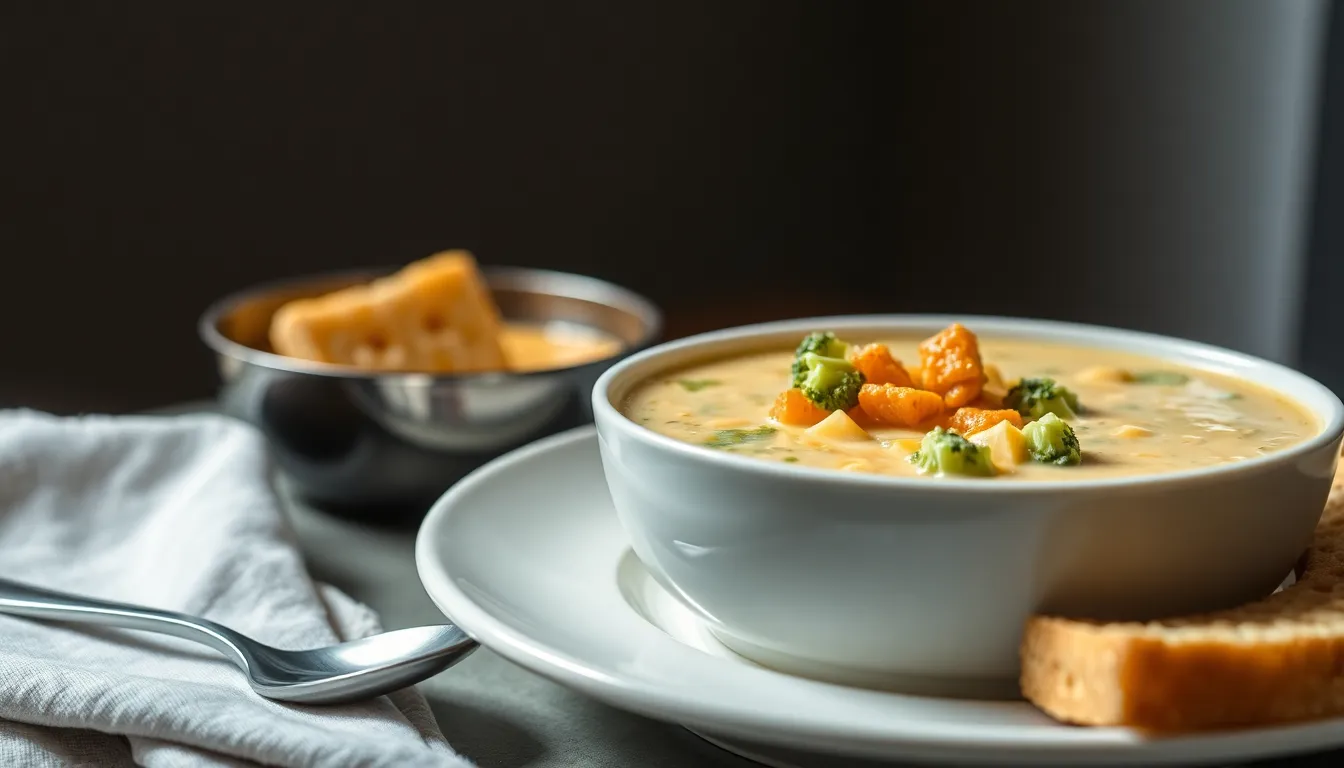
Sarah's kitchen counter was scattered with notecards—each one marked with a different date, a ratio of cheese to broth, a note about texture gone wrong. Fourteen batches of broccoli cheddar soup over three months sounds obsessive until you taste the version she finally got right. The one where the cheese stays silky instead of breaking into greasy pools. Where the broccoli doesn't turn to army-green mush. Where every spoonful feels like the best version of comfort you didn't know you needed on a Tuesday night.
Why this recipe works after so many tries
Most broccoli cheddar soup recipes fail in predictable ways. The cheese seizes into a grainy mess because the base was too hot. The soup tastes flat because someone used pre-shredded cheese coated in anti-caking agents. The broccoli either floats around raw or dissolves into khaki-colored specks. Sarah's breakthrough came during attempt number nine, when she stopped trying to make the soup in twenty minutes and started paying attention to temperature, timing, and the exact moment the cheese should hit the pot. The result is a soup that comes together in under forty minutes but tastes like you've been simmering it all afternoon.
The technique that changes everything
Partial blending keeps it interesting
The key isn't pureeing everything into baby food. After the broccoli simmers until just tender—still bright green, not sad and olive-toned—Sarah uses an immersion blender for exactly three pulses. Half the florets break down into a creamy base. The other half stays chunky, giving you something to actually bite into. If you don't have an immersion blender, scoop out two cups, blend them smooth, and stir the puree back in.
The cheese melts off heat
This is where most recipes sabotage themselves. Adding cheese to boiling liquid turns it into a separated, oily disaster. Sarah removes the pot from the burner completely, waits thirty seconds, then adds the cheese in three separate handfuls. Each addition melts into the warm (not hot) soup, creating that glossy, unified texture you get at fancy restaurants. Sharp white cheddar works best—it has more flavor punch than mild, and white doesn't turn the soup an unsettling orange.
A cornstarch slurry instead of flour roux
Traditional versions start with a butter-and-flour roux, which works but adds a slightly pasty taste. Sarah's version uses a cornstarch slurry stirred in right before the cheese. Two tablespoons cornstarch mixed with two tablespoons cold water thickens the soup just enough without that floury heaviness. The texture stays clean and light.