Kitchen Mistakes
Food News

The avocado storage trick most people learn too late

Yummy Editorial
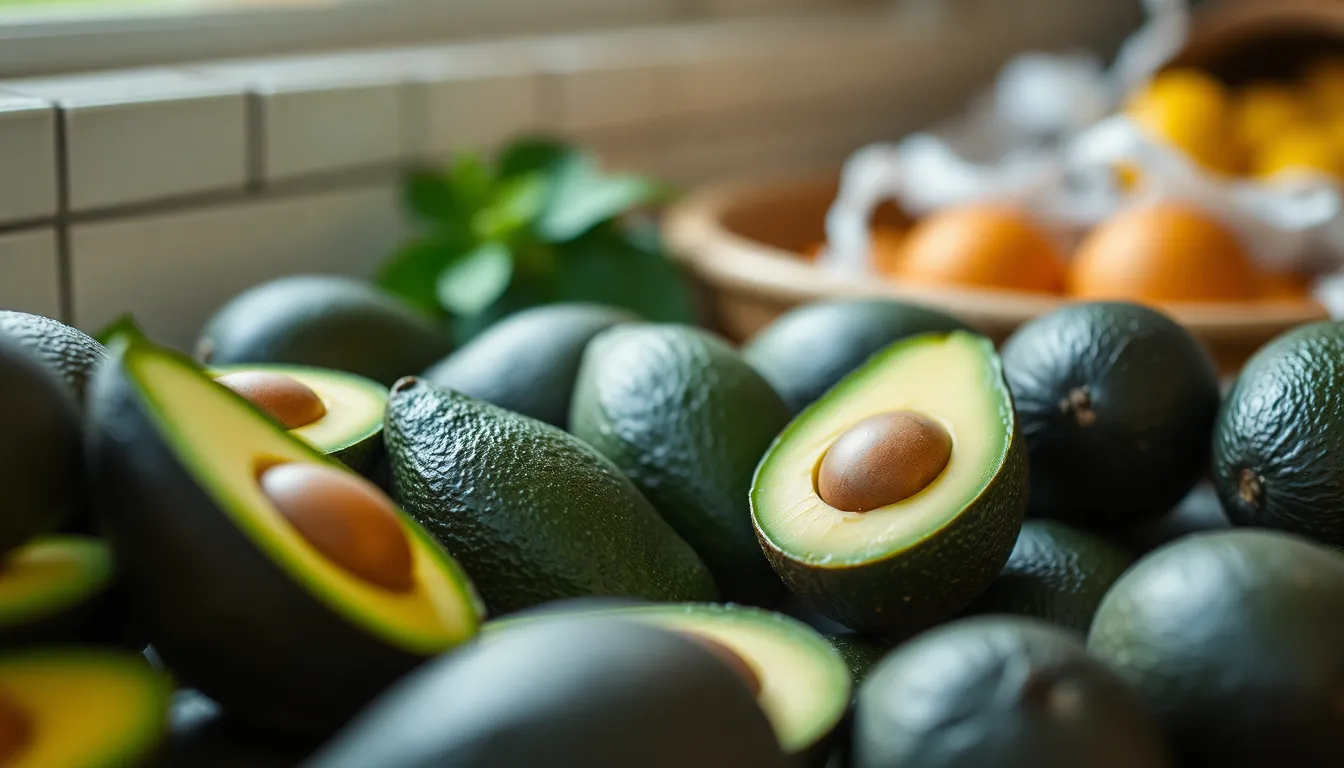
Photo: The avocado storage trick most people learn too late

Introduction

You slice into a perfect avocado at lunch, use half for your sandwich, then wrap the remaining half in plastic wrap—pit still in—and tuck it in the fridge. By dinner, you unwrap it to find that familiar disappointing sight: brown, slimy flesh that looks nothing like the creamy green you put away six hours ago. You probably blame the avocado. Most of us do. But here's the truth: we've been storing them wrong this entire time.

Why avocados turn brown so fast

The browning happens because of oxidation. When you cut an avocado, you expose its flesh to oxygen, which triggers enzymes that create that unappetizing brown color. It's the same chemical reaction that turns apple slices brown or makes guacamole darken at parties. The pit doesn't help—it only protects the small circle of flesh directly beneath it. Everything else is fair game for oxidation.

That myth about leaving the pit in? It persists because people want to believe in easy solutions. But if you've ever actually examined a stored avocado half with the pit, you've seen the truth: brown everywhere except that tiny protected spot underneath.

The trick that actually works

The real solution requires two steps, and neither involves the pit. First, brush or rub the exposed flesh with lemon juice, lime juice, or even a thin layer of olive oil. The acid in citrus slows down the oxidation process significantly. You don't need much—just enough to coat the surface without pooling.

Second, and this is the part most people skip: press plastic wrap directly against the flesh. Not loosely over the top. Push it down until it's flush with every bit of exposed avocado, creating an airtight seal that blocks oxygen. Then place the whole thing in an airtight container or sealed bag before refrigerating.

This method keeps avocados genuinely green for two to three days. The flesh stays creamy, bright, and ready to use. No brown layer to scrape off. No wasted fruit.

What to do with whole avocados

If your avocado is ripe but you're not ready to use it, skip the counter entirely. Whole ripe avocados belong in the refrigerator, where the cold temperature pauses the ripening process. They'll stay perfectly ripe—not mushy, not overripe—for up to a week.

Unripe avocados are different. Keep them on the counter at room temperature until they yield to gentle pressure near the stem. To speed this up, place them in a paper bag with a banana or apple. The ethylene gas from those fruits accelerates ripening. Check them daily, because the jump from rock-hard to ripe happens faster than you'd think.
The water storage method debate

Essential kitchen gear for your recipes

Hand-picked tools we recommend for home cooks.

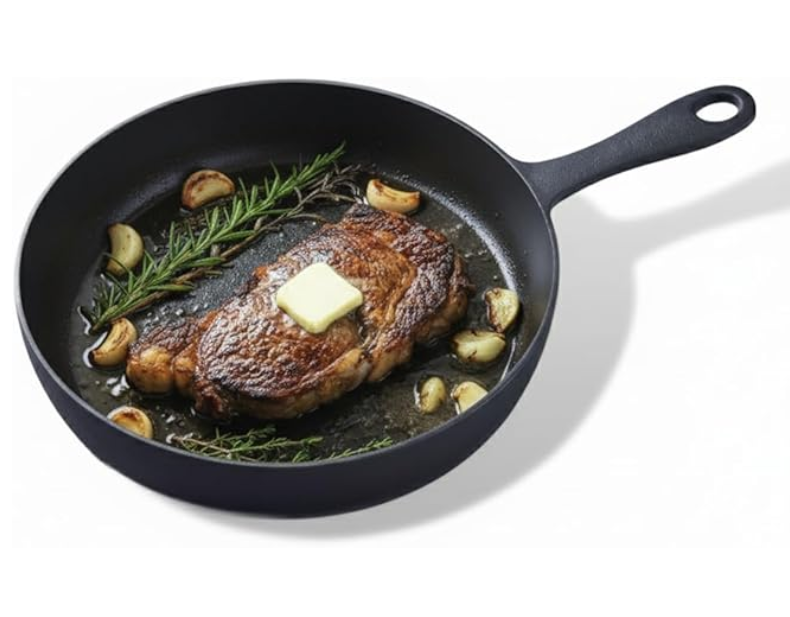
Flambo Skillet, Naturally Non-Stick

Flambo Skillet, Naturally Non-Stick

Pre-seasoned cast iron skillet for searing, baking, and stovetop-to-oven cooking.

Check price on Amazon
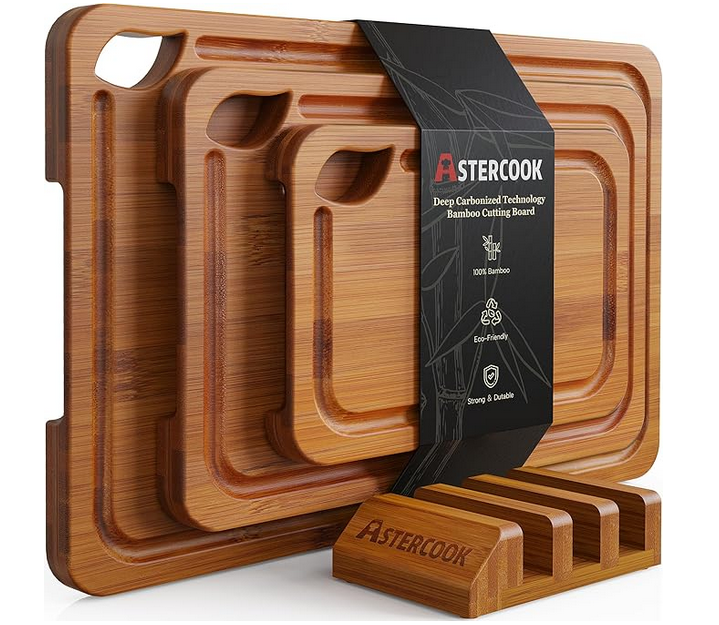
Astercook Reversible Charcuterie Board

Astercook Reversible Charcuterie Board

Deep carbonized wooden cutting board, reversible and knife-friendly for prep and serving.

Check price on Amazon
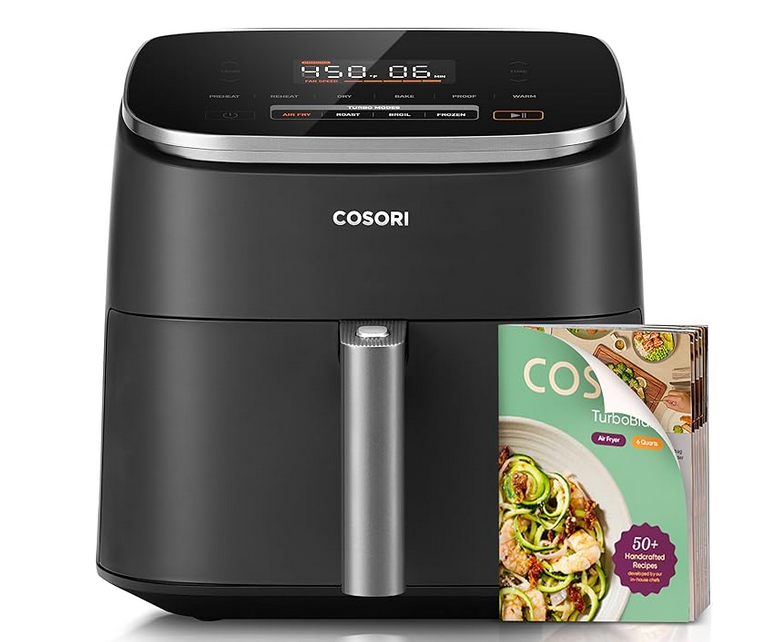
TurboBlaze Premium Ceramic Coating Air Fryer

TurboBlaze Premium Ceramic Coating Air Fryer

Air fryer with ceramic coating, 90°F–450°F range for crispy results with less oil.

Check price on Amazon

You've probably seen videos claiming you can store whole or halved avocados submerged in water in the fridge for weeks. It looks impressive. The avocados stay green. But food safety experts warn against this method because water can harbor bacteria, which may penetrate the avocado's porous skin and contaminate the flesh. The visual appeal isn't worth the potential risk.

Storage alternatives that work

If you're out of plastic wrap, aluminum foil pressed tightly against the flesh works nearly as well. Some people swear by storing cut avocado halves in containers with sliced onions—the sulfur compounds in onions apparently slow browning. The avocado picks up a very faint onion flavor, which works if you're using it in savory dishes anyway.

For mashed avocado or guacamole, smooth the surface flat, then pour a thin layer of water or olive oil over the top before covering and refrigerating. The liquid creates a barrier against oxygen. When you're ready to use it, just pour off the liquid and stir.

Why this matters beyond wasted avocados

Learning proper storage isn't just about saving a four-dollar fruit. It's about reducing food waste, making meal prep actually efficient, and stopping that cycle of buying avocados with good intentions only to throw them away days later. It's about having ripe avocado ready when you want toast for breakfast or need to finish that grain bowl for lunch.

Storage knowledge changes how you shop, too. You'll buy avocados at different ripeness stages, stagger them, and always have one ready. You'll stop avoiding recipes that call for half an avocado because you know exactly what to do with the other half.

Moving forward

The next time you slice an avocado, skip the pit routine. Reach for the lemon juice and plastic wrap instead. Press that wrap down like you mean it. The difference will be obvious within hours—and even more dramatic by day three when you unwrap bright green flesh instead of brown mush. It's one of those small kitchen fixes that makes you wonder why nobody told you sooner.