Quick Dinners
Recipe

The $3 dinner a retired teacher makes three times a week without complaints

Yummy Editorial
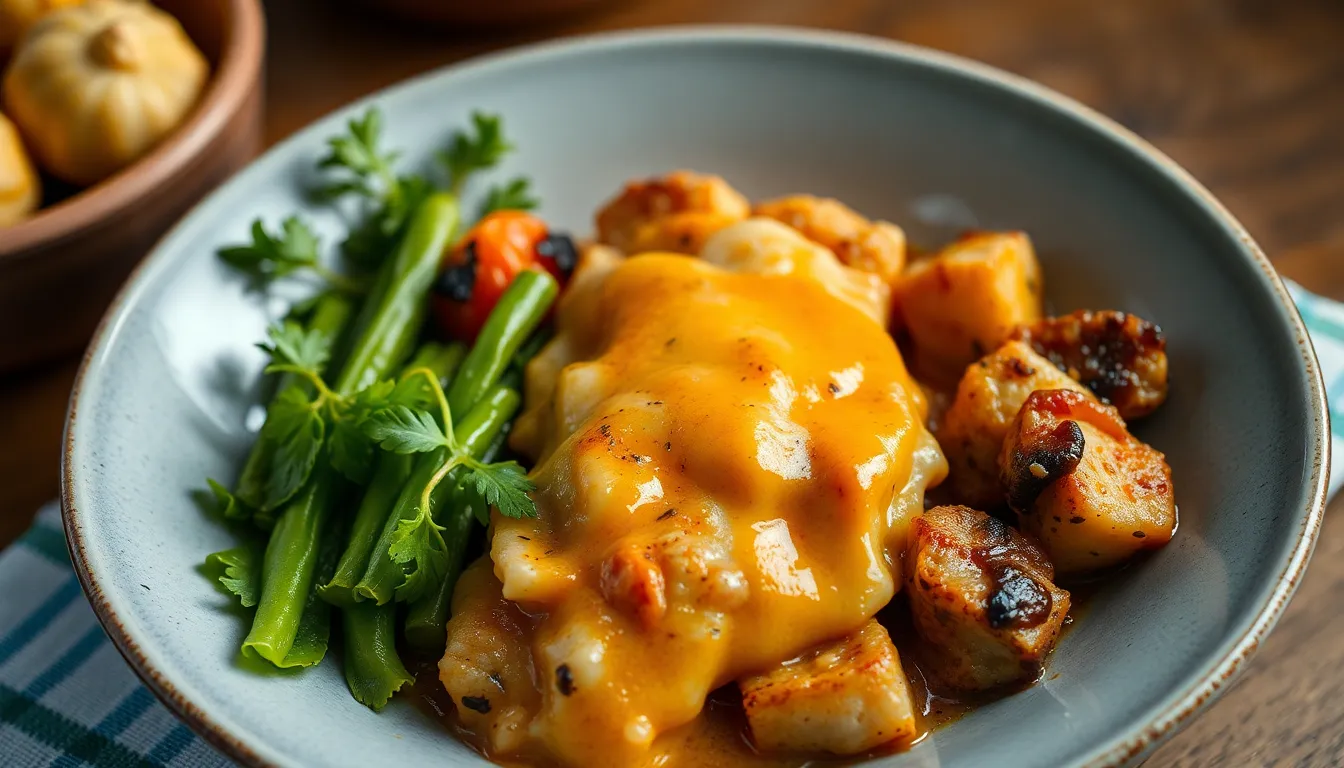
Photo: The $3 dinner a retired teacher makes three times a week without complaints
Prep

10m

Cook

15m

Total

25m

Servings

4 servings

Ingredients

  • 2 cups cooked white rice (day-old works best)
  • 4 large eggs
  • 2 cups frozen mixed vegetables
  • 3 tablespoons vegetable oil
  • 3 tablespoons soy sauce
  • 2 cloves garlic, minced
  • 1 teaspoon ginger (fresh or ground)
  • 2 green onions, sliced (optional)
  • Salt and pepper to taste

Instructions

  1. Heat 1 tablespoon oil in a large skillet or wok over medium-high heat. Scramble the eggs until just set, then remove to a plate.
  2. Add remaining 2 tablespoons oil to the pan. Toss in frozen vegetables and stir-fry for 3-4 minutes until heated through.
  3. Add garlic and ginger, stirring for 30 seconds until fragrant.
  4. Add the rice, breaking up any clumps with your spatula. Stir-fry for 3-4 minutes until the rice starts to crisp at the edges.
  5. Pour soy sauce over the rice, tossing to coat evenly. Return eggs to the pan, breaking them into smaller pieces.
  6. Stir everything together for another minute. Taste and adjust seasoning with salt and pepper.
  7. Top with sliced green onions if using. Serve immediately.

Introduction

Margaret Chen pulls out the same blue mixing bowl every Tuesday, Thursday, and Sunday evening. She's 68, retired from teaching second grade for thirty years, and living on a fixed income that doesn't stretch as far as it used to. The bowl sits on her counter next to a carton of eggs and whatever's left in her rice cooker from the day before. Her grandson Jake, who's usually glued to his phone during dinner, looks up the moment the spatula hits the hot pan. That sizzle means fried rice night, and nobody in her household has complained once.

Why this works when you're counting every dollar

The math here isn't complicated. A dozen eggs costs about $3. A bag of frozen mixed vegetables runs $2 and covers three meals. Rice bought in bulk costs pennies per serving. Margaret figured out that this dinner—filling enough for four people—comes in around $3 per person, sometimes less if she's caught a sale. But the real genius isn't just the price. It's that the dish tastes like something you'd order at a restaurant, uses ingredients that don't spoil quickly, and takes less time than driving through a fast-food line.

The secret lives in the technique, not fancy ingredients. Day-old rice from the fridge works better than fresh because the grains separate easily and crisp up in the hot pan. Frozen vegetables, which Margaret keeps stocked in her freezer, are already chopped and ready. No wasted produce rotting in the crisper drawer. No expensive trips to the store three times a week.

The dinner that changed everything

Margaret's weeknight fried rice

This isn't the heavily sauced takeout version loaded with mystery ingredients. It's lighter, cleaner, and relies on the toasted flavor that comes from properly heating your pan. The eggs get scrambled first in a hot skillet, then set aside while vegetables hit the same pan. Garlic and ginger—she uses the jarred kind when fresh isn't available—bloom in the oil for thirty seconds. The kitchen fills with that sharp, warming smell that makes everyone drift toward the stove.

The rice goes in next, and this is where patience matters. Let it sit undisturbed for a minute before stirring. Those crispy bits stuck to the bottom of the pan aren't burning—they're developing flavor. A few splashes of soy sauce, the eggs mixed back in, and suddenly you've got a complete meal that required one pan and about fifteen minutes of actual cooking.

Why it works on repeat

Margaret makes this three times a week, and nobody's tired of it yet. The base stays the same, but small changes keep it interesting. Sometimes she adds a handful of frozen shrimp from a bag she bought on sale. Other nights, she'll crack an extra egg per person if the budget allows. Leftover rotisserie chicken from Sunday gets shredded into Tuesday's batch. Green onions when they're cheap, a squeeze of sriracha when Jake requests it, sesame oil if she's feeling fancy.

The formula stays flexible. That's what makes it sustainable. She's not locked into a rigid recipe that requires specialty ingredients or multiple steps. The dish adapts to what's available, what's affordable, what's already sitting in the pantry.
Small adjustments that make a difference

Essential kitchen gear for your recipes

Hand-picked tools we recommend for home cooks.

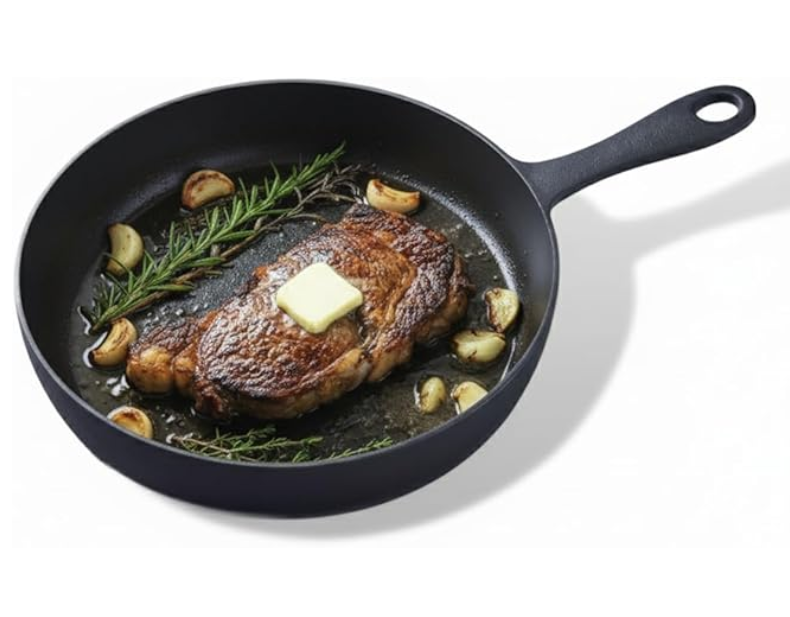
Flambo Skillet, Naturally Non-Stick

Flambo Skillet, Naturally Non-Stick

Pre-seasoned cast iron skillet for searing, baking, and stovetop-to-oven cooking.

Check price on Amazon
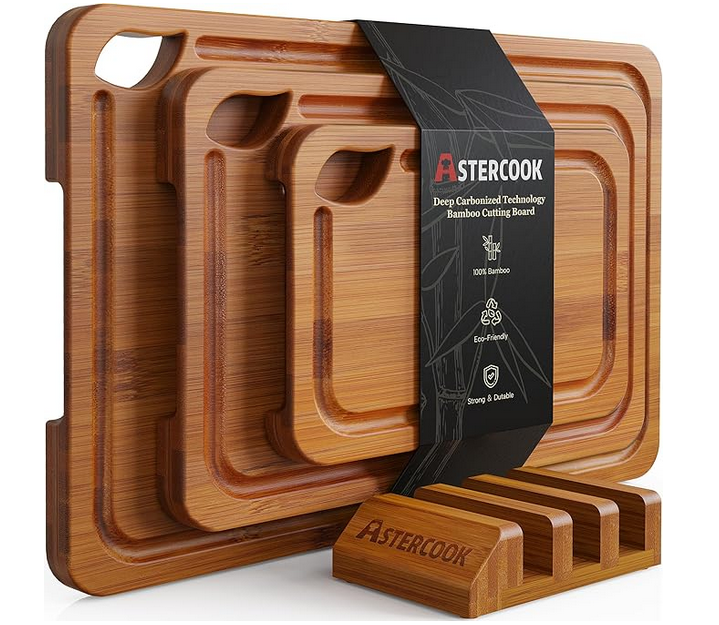
Astercook Reversible Charcuterie Board

Astercook Reversible Charcuterie Board

Deep carbonized wooden cutting board, reversible and knife-friendly for prep and serving.

Check price on Amazon
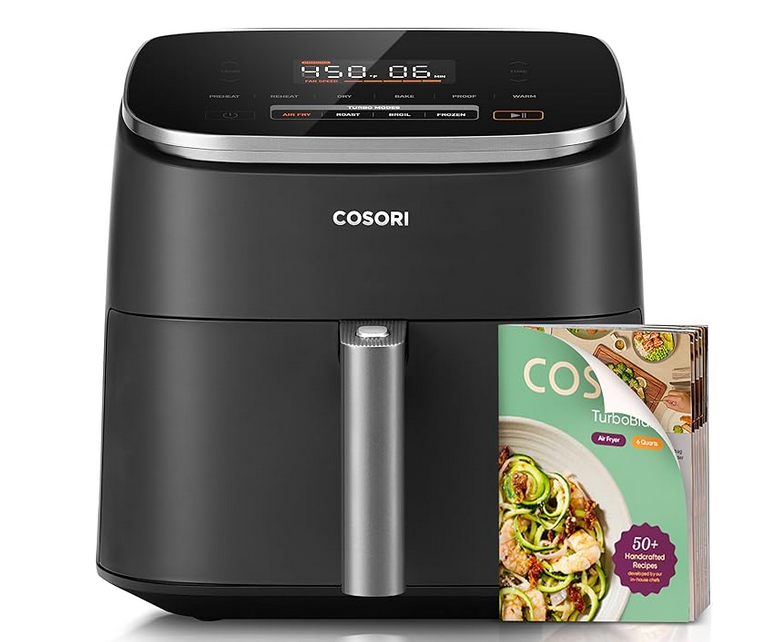
TurboBlaze Premium Ceramic Coating Air Fryer

TurboBlaze Premium Ceramic Coating Air Fryer

Air fryer with ceramic coating, 90°F–450°F range for crispy results with less oil.

Check price on Amazon

Margaret keeps a running list of what works. Frozen peas and carrots are cheaper than the fancy vegetable medleys. Generic soy sauce tastes the same as the name brand. Garlic powder works when fresh cloves aren't in the budget, though she admits the fresh stuff makes the kitchen smell better.

She also learned that a hot pan matters more than expensive cookware. Her skillet is twenty years old, slightly warped, but seasoned from years of use. It holds heat better than the new nonstick set her daughter tried to give her last Christmas.

For storage, leftovers last three days in the fridge, though they rarely make it that long in her house. She's reheated portions in the microwave, in a skillet with a splash of water, even eaten it cold straight from the container during rushed mornings. It holds up.

What this meal actually represents

Margaret doesn't call herself a recipe developer or a food blogger. She's just someone who figured out how to eat well when money's tight and time's limited. The $3 dinner isn't about deprivation or settling. It's about knowing your ingredients, respecting your budget, and creating something that brings people to the table without complaints. That blue mixing bowl comes out three times a week, and every time, someone asks for seconds.